What to Know About Marijuana Detox: Avoid Common Mistakes
The only proven marijuana detox is time: in a 2008 study of 60 cannabis users kept abstinent on a research unit, the last positive urine test came after about 4 to 15 days on average, depending on starting levels, and we found no evidence that any drink or kit removes THC faster.
If you have wondered how long THC stays detectable after you stop using cannabis, here is what the evidence says. No single timeline fits everyone, because starting levels and use patterns differ. That is why the studies below report ranges, not a single number. If you plan to give blood, see our post on donating blood while using medical marijuana.
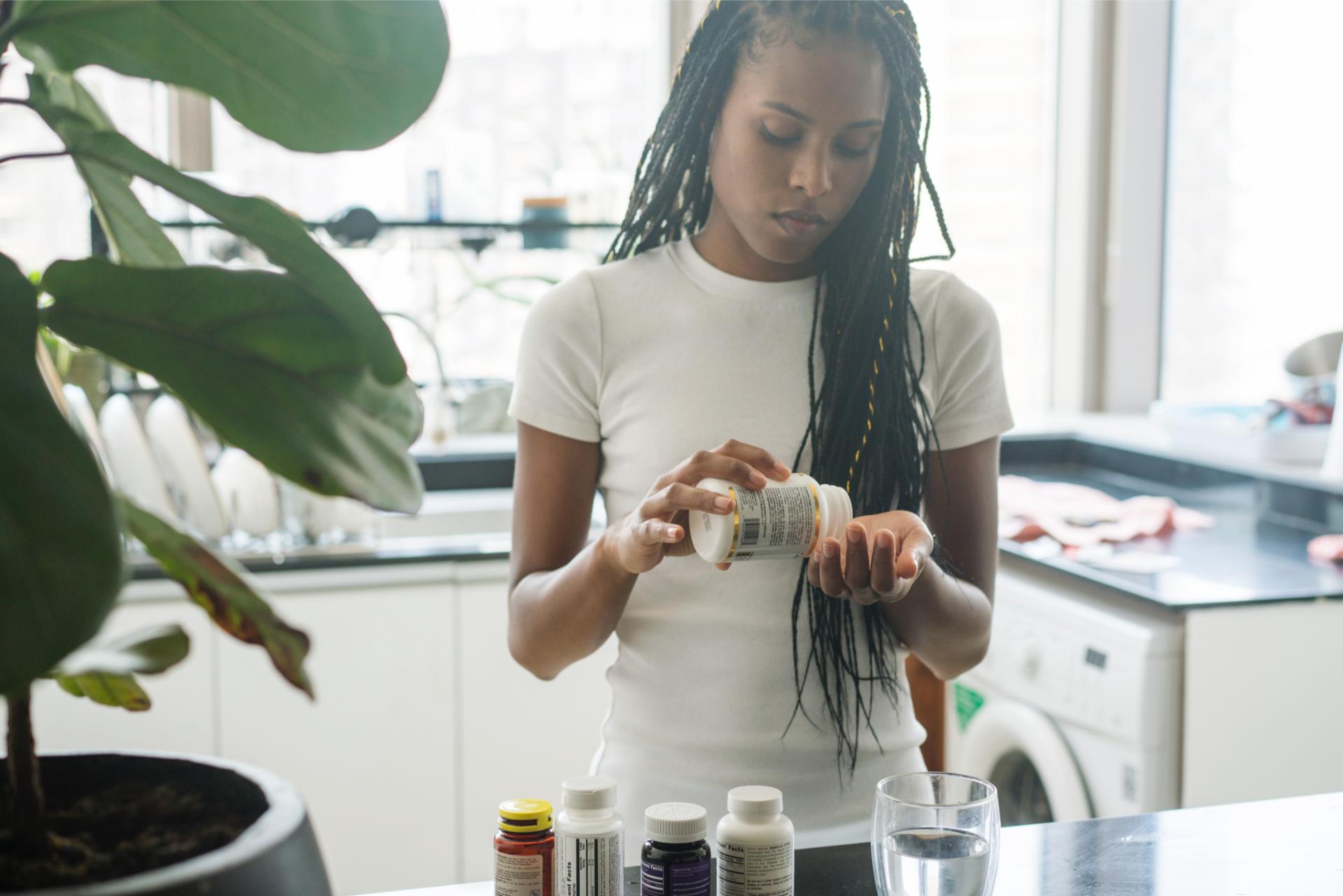
What Is Marijuana and THC Detox?
Marijuana detox is the process your body goes through to clear THC (the primary chemical responsible for the “high”) and the effects of marijuana once you stop using it. The process differs for everyone, based on how often and in what ways marijuana has been used, and other factors may include a person’s overall health and fitness, body fat and how quickly their body breaks down THC.
Some people feel little, while others notice withdrawal symptoms; NIDA lists irritability, anxiety, restlessness, lower appetite, sleep problems and strange dreams. These usually ease with time, but they can feel uncomfortable.

Commonly Used Cannabis Detox Methods
Many products and routines claim to speed up cannabis detox. Some are based on simple lifestyle choices, while others involve special products. The most common approaches include:
- Drinking lots of water or detox teas
- Using detox kits that claim to cleanse THC fast
- Eating certain foods and supplements
- Working out and sweating to “flush toxins”
- Taking a break and letting time do the work
Most of these methods have little evidence behind them; NIH notes that a 2015 review found no compelling research that detox diets remove toxins from the body. Each of these cannabis detox methods is covered below, starting with the last one on that list.
Natural Detox Through Time and Hydration
The most reliable method of detoxing is a simple one: time. Your body breaks THC down over time, and because THC dissolves in fat, some is stored in body fat and slowly released back into the blood. We found no evidence of a way to shortcut that process.
Staying hydrated is good for you, but no study we found shows that water alone makes THC leave faster. Drinking enough water helps your kidneys and is important to allow your body to function as it should.
Do not drink large amounts of water at once: too much water can dilute the sodium in your blood, a condition called hyponatremia that can cause confusion, headache and nausea.
For long-term users the process can be slow, and the section on how long detox takes gives the figures from a monitored study. In the meantime, water, rest and regular meals can make the wait easier.

Detox Drinks and Kits: What to Expect
Detox drinks and kits are widely sold, and each claims to speed up a detox. Some detox drinks claim they mask the THC in urine for a limited time, while others will advertise that they completely detox you. Here’s what to keep in mind:
- Short-term masking: Many detox drinks are marketed to dilute urine. They do not remove THC from your body, and Florida law makes it a first-degree misdemeanor to try to defraud a lawfully administered urine drug test or to sell a product meant to do so.
- Complete cleanse claims: No drink or kit has been shown to erase THC from your system overnight.
Whatever a detox drink claims, diluting a sample does not remove THC from your body, which clears it on its own over days or weeks.
Foods and Supplements Marketed for THC Detox
No food or supplement has been shown to speed up THC clearance, but a balanced diet supports your general health while you wait.
- High-fiber foods (fruits, vegetables, and whole grains) help keep the digestive system moving.
- Berries and leafy greens are healthy choices as part of a balanced diet.
- Supplements such as milk thistle or vitamin C are sometimes marketed for the liver, but they are not proven to remove THC.
If you have questions about medical marijuana in Florida, you can reach our team through the contact us page.

Exercise and Sweating: Do They Help?
Exercise is often mentioned as part of detox plans. Its effects during a detox are mixed:
- Exercise burns fat, and in a 2013 study of 14 regular users, 35 minutes of cycling caused a small rise in blood THC, which the authors linked to THC released from fat stores and said could complicate blood test results.
- Exercise can ease short-term anxiety and help you sleep better, CDC says, which may help during withdrawal.
- Sweating has not been shown to speed up THC clearance.
If you are going through a marijuana detox, cardio and strength training are both options. CDC adds that moderate activity such as brisk walking is generally safe for most people.
Just make sure you don’t go overboard: build up gradually instead of exercising to exhaustion.
What Detox Mistakes Should You Avoid?
These are common mistakes people make when they try to detox:
- Overhydration: Drinking a lot of water at once will not speed up detox, and it can lower the sodium in your blood to a dangerous level.
- Relying solely on detox kits: Detox kits do not remove THC, so they are not a substitute for the body’s natural detox process.
- Not eating: Skipping meals will not speed up THC clearance and can leave you feeling worse during withdrawal.
- Expecting immediate results: Cannabis withdrawal can last days or weeks, depending on how much someone used.

How Long Does a Cannabis Detox Take?
There is no standard timeline for cannabis detox, but in monitored research it took days to more than two weeks, not hours. In the 2008 study, people with the lowest starting levels had their last positive urine test after about 4 days on average, while those with the highest had theirs after about 15 days.
These factors change how long detox takes:
- Frequency of use: THC builds up in fat tissue, and people with higher starting levels tested positive longer in the 2008 study.
- Metabolism: People break down and clear THC at different rates.
- Body composition: THC is stored in fat, and in the 2013 exercise study the rise in blood THC after exercise tended to be larger in people with a higher body mass index.
- Lifestyle: Eating well, exercising and drinking enough water support your health, though none has been shown to clear THC faster.
People who used heavily may have withdrawal symptoms such as irritability, trouble sleeping and low mood; in a 2003 study of 18 users, symptoms usually began within 1 to 3 days and most lasted 4 to 14 days.
If detox feels overwhelming, help is available. Your own doctor, or your medical marijuana doctor in Florida if you are a patient, can give you support. If you used recently and feel too high, see our guide on how to get unhigh.
Making Informed Choices About Marijuana Detox
For most people a detox comes down to stopping use and giving the body time. Water, regular meals and exercise help you feel better while you wait, but none has been shown to speed it up, and no detox drink or supplement has been shown to either.
What helps most is avoiding simple mistakes like overhydrating, skipping meals and expecting an overnight reset. If irritability or poor sleep lasts beyond two weeks, tell your physician.
Last updated October 18, 2026 by the Dr. Green Relief Editorial Team.
Medical review
Medically reviewed by Achilles Kalnoky, M.D.
Reviewed on .
He is licensed in Florida as a medical doctor, license ME115088, which you can check on the Florida Department of Health license lookup.
His review covers the medical statements in this post and the sources cited for them.
Sources
- Goodwin, et al. Urinary elimination of 11-nor-9-carboxy-delta9-tetrahydrocannnabinol in cannabis users during continuously monitored abstinence. J Anal Toxicol. 2008
- National Institute on Drug Abuse. Cannabis (Marijuana)
- National Center for Complementary and Integrative Health. “Detoxes” and “Cleanses”: What You Need To Know
- Wong, et al. Exercise increases plasma THC concentrations in regular cannabis users. Drug Alcohol Depend. 2013
- MedlinePlus. Low blood sodium (hyponatremia)
- Florida Statutes s. 817.565 (2026)
- CDC. Benefits of Physical Activity
- Budney, et al. The time course and significance of cannabis withdrawal. J Abnorm Psychol. 2003