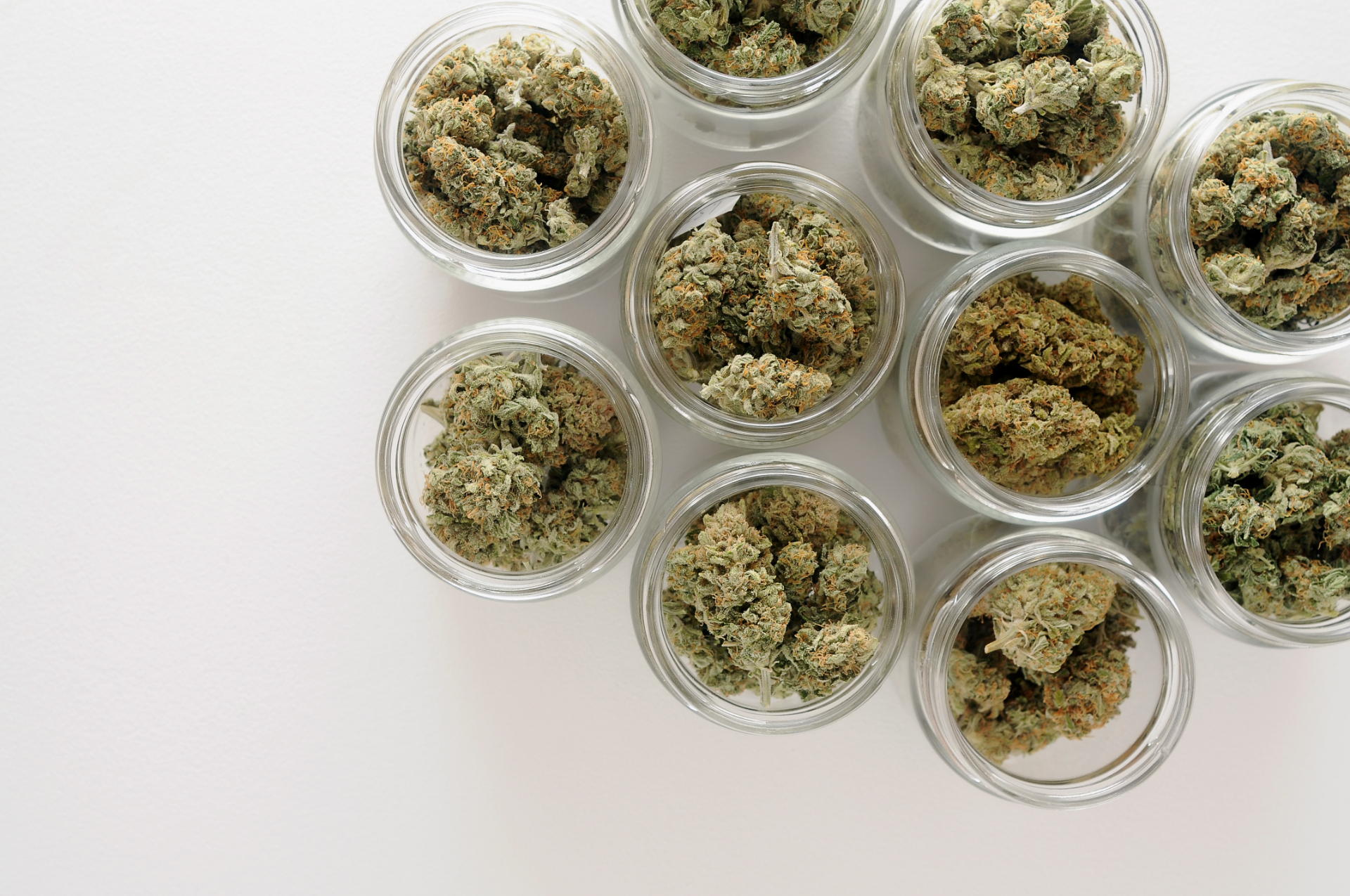
Medical Marijuana for Senior Citizens
Can medical marijuana help senior citizens? For older adults the evidence is thin. NIH notes that cannabis use is linked to a higher risk of injury in older adults and can cause dizziness on standing. Medical marijuana is legal in many states, including Florida, where older adults are certified under the same qualifying-condition rules as any other adult.
Some seniors use it for pain, sleep or appetite: in 2015 and 2016, 2.9% of adults 65 and older had used marijuana in the past year. NIH reports that the cannabinoid drugs dronabinol and nabilone were more helpful than a placebo for chemotherapy nausea and vomiting in a 2015 review of 23 studies, but research on pain, sleep and memory is limited, and dizziness and falls are real risks. Here is what to know before deciding with your physician whether it is right for you.
What Do Older Adults Use Medical Marijuana For?
Pain relief is a common reason older adults ask about medical marijuana. There are creams and lotions infused with THC or CBD that are sold for pain relief. NIDA describes lotions and balms as products applied directly to the skin, so they are rubbed on over the sore spot rather than smoked, vaped or eaten. Cannabis creams are easy to find, but no study cited on this page tests them for arthritis or nerve pain.
Cancer care is another reason. Chemotherapy can cause nausea, which can make it hard to eat, and some older adults have trouble keeping weight on. FDA has approved Marinol and Syndros (dronabinol) for nausea from cancer chemotherapy and for appetite loss with weight loss in AIDS, and Cesamet (nabilone), a prescription drug similar to THC. For weight, though, one large trial found megestrol worked better than oral THC in people with advanced cancer. Marinol, Syndros and Cesamet are prescription drugs, not the marijuana plant, which FDA has not approved for any condition.
Even without chemotherapy, some older adults do not eat as much as they should. Dronabinol is FDA-approved for appetite loss only in people with AIDS, so for other older adults with poor appetite, a doctor should look for the cause first. Dronabinol also has side effects: in studies, more people taking cannabinoid medicines had dizziness or sleepiness.
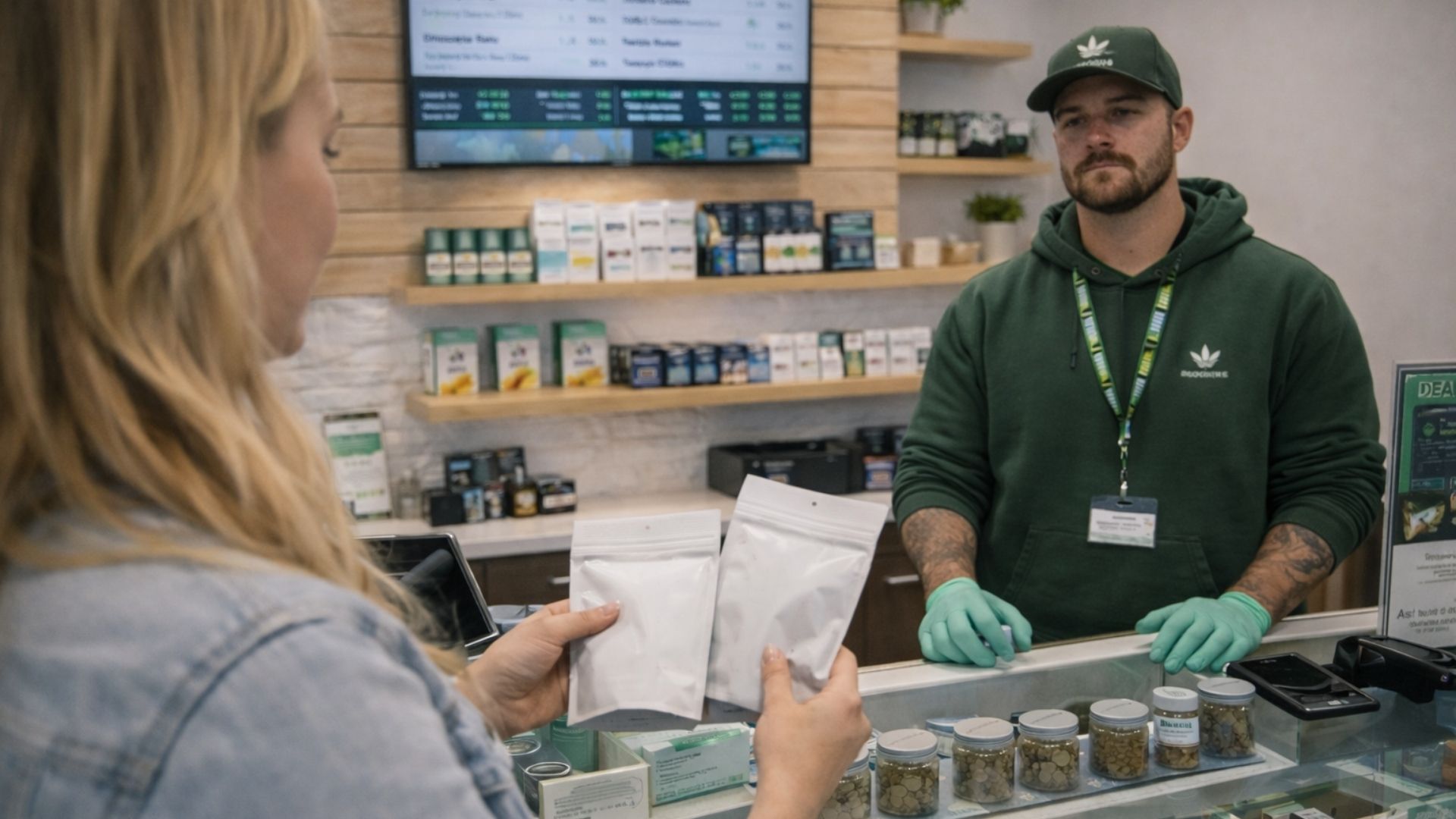
Evidence that CBD eases anxiety is limited to small studies, NIH finds little research on PTSD, and for some people marijuana can increase anxiety. More research is needed on these questions.
Some people have hoped medical marijuana could help them use fewer opioids, but research has not shown that it does. Opioids relieve pain, but they can lead to dependence and addiction, and overdose can be fatal. An early study linked medical marijuana laws to fewer opioid deaths, but with data through 2017 that link reversed.
Researchers have also studied cannabis in dementia. A lab study looked at THC and amyloid beta inside human nerve cells grown in a dish, but a 2021 Cochrane review found no good evidence that cannabinoids help memory in dementia.
Finally, some seniors use marijuana to fall asleep; NIH says it is unclear whether cannabis or relief of other symptoms causes better sleep, and CDC estimates about 3 in 10 people who use it have cannabis use disorder.
Is It Cheaper?
Not necessarily, even though prescriptions can be costly. Many older adults take several prescriptions, and those costs add up. Costs vary: in Florida, patients pay the $75 state ID card fee each year plus the physician visit and products, and workers’ compensation does not pay for medical marijuana. Compare those costs with what you pay for prescriptions now before assuming cannabis will save you money.
What Are the Risks?
Besides the anxiety some users report, there are two other risks. The first is legal: depending on the state, your access to particular products may be limited. In Florida, a qualified physician must examine you in person for a first certification and enter it in the state registry, and the Office of Medical Marijuana Use must approve your ID card before you can buy.
A certification may cover no more than three 70-day supply limits, a qualified physician must evaluate you at least once every 30 weeks before issuing a new certification, and the ID card expires one year after the date of approval. Our Tampa, Fort Myers and Sarasota offices offer that evaluation; whether you qualify is the physician’s decision.
The second is that there are few guidelines for dosing and usage. For decades, cannabis research had to meet Schedule I rules, such as the site-specific DEA investigator registration FDA describes, under marijuana’s federal status, which changed in part on April 28, 2026, when marijuana under a state medical marijuana license moved to Schedule III; it is still a federally controlled substance. Use is growing faster than the research on how well marijuana works for specific conditions, what long-term use does, and which compounds in cannabis matter for which symptoms.
Some new users experiment on their own to find out how much to take and which products to use. That trial and error carries real risks for older adults, including dizziness and falls, so follow a physician’s advice.
In Florida, a qualified physician can explain the product forms you may buy and how they differ. Edibles, for example, typically take longer to show effects, NIDA notes.
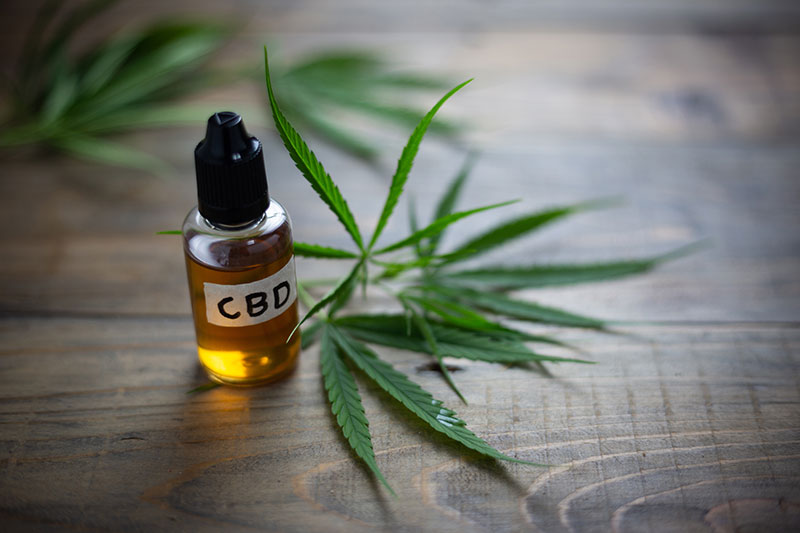
What About CBD Products?
CBD is a non-intoxicating part of the plant that became popular after the 2018 Farm Bill removed hemp from the federal list of controlled substances. Hemp and marijuana are related but not identical. Florida allows hemp extract sales only with a certificate of analysis from an independent lab, and a 2025 federal law narrows the hemp definition from November 12, 2026, while a 2026 law delays its per-container THC limit and its rule on natural cannabinoids made outside the plant until December 11, 2026, unless Congress moves the dates again.
Whether these products help your symptoms has not been well studied, so check any product carefully first. Look for lab-tested products and ask providers where they source their hemp. Regulation is limited: the FDA has approved only one CBD drug and says CBD cannot be sold as a dietary supplement, so quality still varies. CBD is not harmless: the FDA warns it can injure the liver and interact with other medicines, which matters for seniors who take several prescriptions.
Talk with a doctor before you use medical marijuana or CBD. Florida requires every qualified physician to complete a 2-hour course and exam. A qualified physician can tell you whether you qualify under Florida law and talk through product safety.
Last updated October 18, 2026 by the Dr. Green Relief Editorial Team.
Medical review
Medically reviewed by Achilles Kalnoky, M.D.
Reviewed on .
He is licensed in Florida as a medical doctor, license ME115088, which you can check on the Florida Department of Health license lookup.
His review covers the medical statements in this post and the sources cited for them.
Sources
- NCCIH. Cannabis (Marijuana) and Cannabinoids: What You Need To Know
- Han BH, et al. Marijuana use by middle-aged and older adults in the United States, 2015-2016. Drug Alcohol Depend. 2018 (PubMed)
- FDA. FDA and Cannabis: Research and Drug Approval Process
- National Cancer Institute. Cannabis and Cannabinoids (PDQ), Health Professional Version
- MedlinePlus. Dronabinol
- Shover CL, et al. Association between medical cannabis laws and opioid overdose mortality has reversed over time. Proc Natl Acad Sci U S A. 2019 (PubMed)
- Currais A, et al. Amyloid proteotoxicity initiates an inflammatory response blocked by cannabinoids. NPJ Aging Mech Dis. 2016 (PubMed)
- Bosnjak Kuharic D, et al. Cannabinoids for the treatment of dementia. Cochrane Database Syst Rev. 2021 (PubMed)
- CDC. Cannabis Facts and Stats
- Florida Office of Medical Marijuana Use. Registry Identification Cards
- The 2026 Florida Statutes, s. 381.986, Medical use of marijuana (Florida Senate)
- The 2026 Florida Statutes, s. 581.217, State hemp program (Florida Senate)
- Federal Register, April 28, 2026, FR Doc. 2026-08176, Schedules of Controlled Substances: Rescheduling (govinfo, PDF)
- Public Law 119-37 (2025), Div. B sec. 781, hemp definition (govinfo)
- Public Law 119-103 (2026), Div. B sec. 2019, hemp effective dates (govinfo)
- FDA. FDA Regulation of Cannabis and Cannabis-Derived Products, Including Cannabidiol (CBD)
- FDA. What You Need to Know (And What We’re Working to Find Out) About Products Containing Cannabis or Cannabis-derived Compounds, Including CBD
- NIDA. Cannabis (Marijuana)



