Northern Lights Strain: What You Need To Know
What is the Northern Lights strain? It is a classic strain name, usually sold as indica dominant, that users often describe as calming. A PubMed search on October 8, 2026 found no clinical trial of this strain, and a 2022 analysis of commercial cannabis found that strain names often do not match what is in the product.
Some patients report using it for muscle tension and sleep. Below are the name’s origins, what users report and what research can and cannot tell you.
Origins and Genetics
Grower accounts trace the Northern Lights strain to Afghan and Thai plants, refined by breeders for vigor; these stories come from growers, not from any registry or study.
Growers describe Northern Lights as quick to flower and hardy, and say it was first bred in the Pacific Northwest before reaching the Netherlands; home growing is not allowed for Florida patients. Its name now appears in many hybrids.
Appearance and Aroma
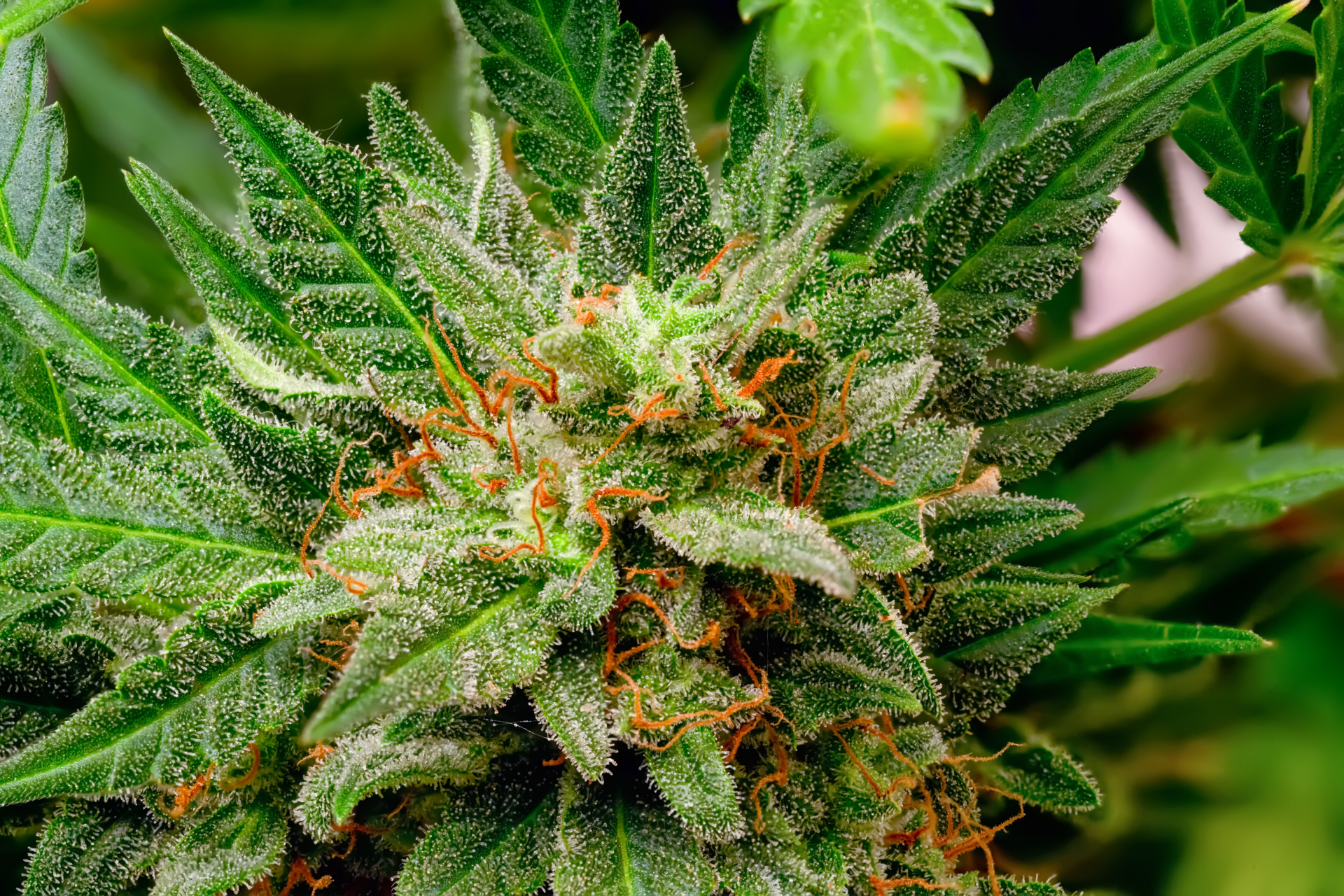
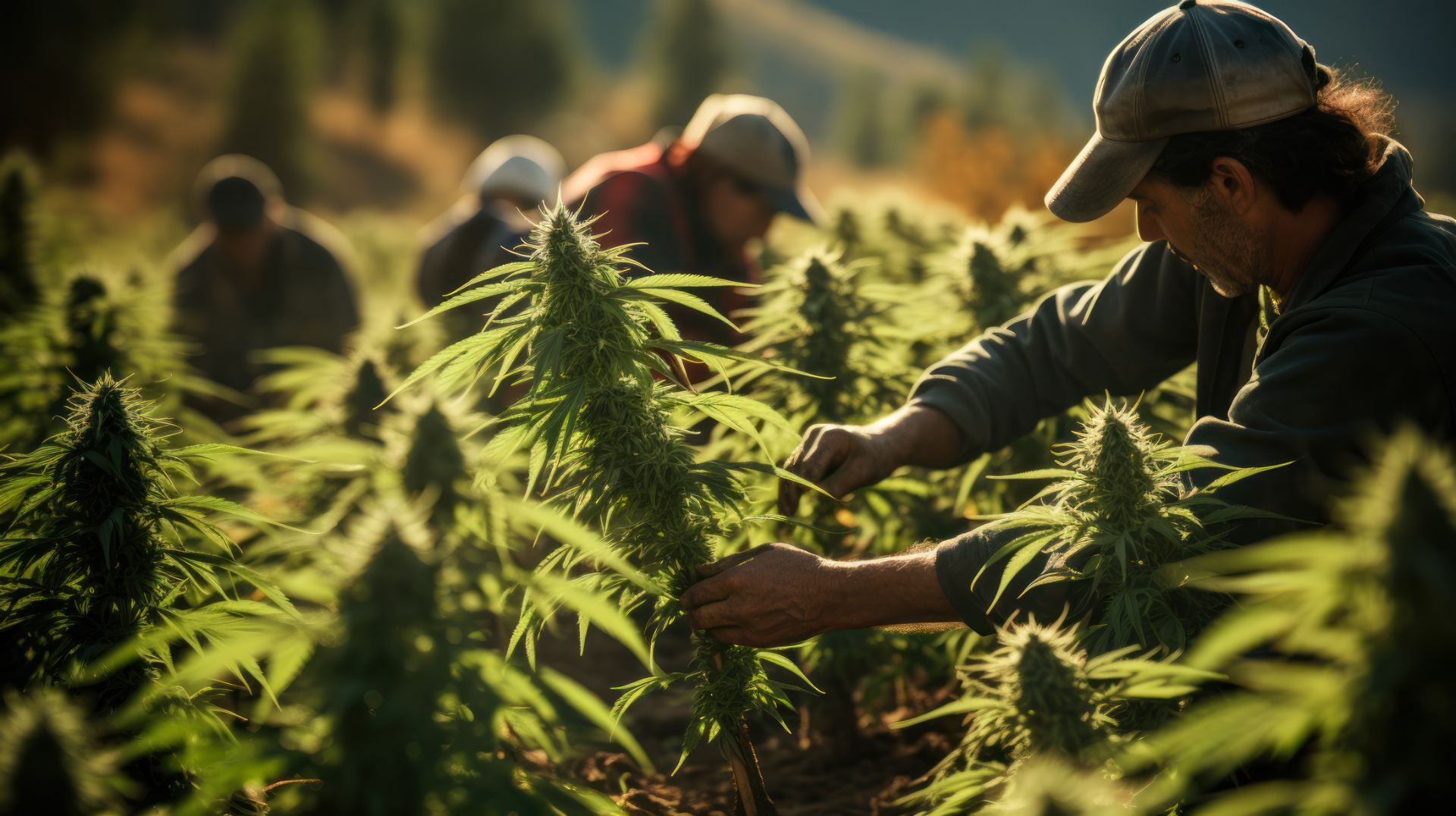
Growers describe thick, resin-coated buds in deep green shades. The amber pistils stand out against the frosty trichomes, making it appear sparkling. The buds are small and sticky, though looks do not tell you THC content; only the lab result on the label does.
The strain has an earthy, sweet scent with notes of spice and pine. There is a slight citrus undertone, which adds to its rich aroma. The buds smell stronger and more skunky once broken up, but scent, like looks, is no measure of strength.
Potency and Effects of Northern Lights
Products sold as Northern Lights are often described as mid to high THC, but the figure varies by grower and batch, so read the THC percentage on the label. For context, NIDA reports that the delta-9 THC potency of illegal cannabis seized by law enforcement rose from 3.96% in 1995 to 16.14% in 2022. Users often describe a calming, sleepy effect and use it at night.
Users report long-lasting relaxation, but CDC notes cannabis affects memory, attention and reaction time, so mental fog is possible. The medical uses patients report are listed below, with what research says about each.
What Casual Users Report
Users who describe it often mention:
- Unwinding after a long day with a mellow, stress-free experience.
- A lift in mood, though CDC has linked cannabis use with depression in some people.
- Body relaxation without excessive couchlock.
- Calmer thoughts for some, though NIDA lists anxiety and distrust among cannabis’s short-term effects.
Its earthy aroma is part of why the name is well known.
Reported Uses and What Research Says
Patients who choose Northern Lights say they use it for the symptoms below. These are personal reports; what research says about cannabis in general follows each one:
- Chronic pain: research on cannabis in general shows a small benefit, per NIH, with nothing specific to this strain.
- Muscle spasms: NIH notes modest benefit for multiple sclerosis symptoms; it is not a substitute for prescribed muscle relaxants.
- Anxiety and PTSD: NIH calls the evidence small for anxiety and unclear for PTSD.
- Insomnia: studies often found better sleep, but NIH cannot say whether cannabis itself or relief of other symptoms was the reason.
- Appetite and nausea: prescription cannabinoid drugs are FDA-approved for chemotherapy nausea, but no strain has been tested for it.
Florida medical marijuana doctors certify the dose, amount and form of marijuana, not a strain, so choosing Northern Lights is a patient’s decision within that order.

What to Tell Your Physician Before Trying Northern Lights
None of the uses listed above has been tested in a trial of this strain. If you want to use it for pain, muscle spasms, sleep or nausea, raise that symptom with your physician first: FDA has approved cannabinoid drugs for chemotherapy nausea, but not cannabis strains.
Because THC content varies by batch, beginners should read the label and follow their physician’s order rather than a strain’s reputation.
Potential Side Effects
Like other THC-rich cannabis, the Northern Lights strain may cause:
- Dry mouth and red eyes, common with many cannabis strains.
- Dizziness in some users, especially with high doses.
- Anxiety or distrust, which NIDA lists among the short-term effects of cannabis.
- Drowsiness, which users say makes it a poor fit for daytime use.
Do not drive after use; CDC notes cannabis affects coordination and reaction time. Northern Lights remains a well-known name, but its medical effects have not been tested in clinical trials.
Can You Grow Northern Lights in Florida?
No. Florida does not allow patients or caregivers to grow marijuana at home, even though growers describe the Northern Lights strain as easy to cultivate, with fast flowering and resistance to mold and pests. Growing guides list temperatures, humidity and soil for it, but in Florida only licensed treatment centers may cultivate marijuana, so this post gives no growing instructions.
Growers say outdoor crops depend on warm, dry weather. Even well-grown plants vary from batch to batch, so a Florida patient goes by the THC figure on the lab-tested label from a licensed treatment center.
Popular Variants and Hybrids
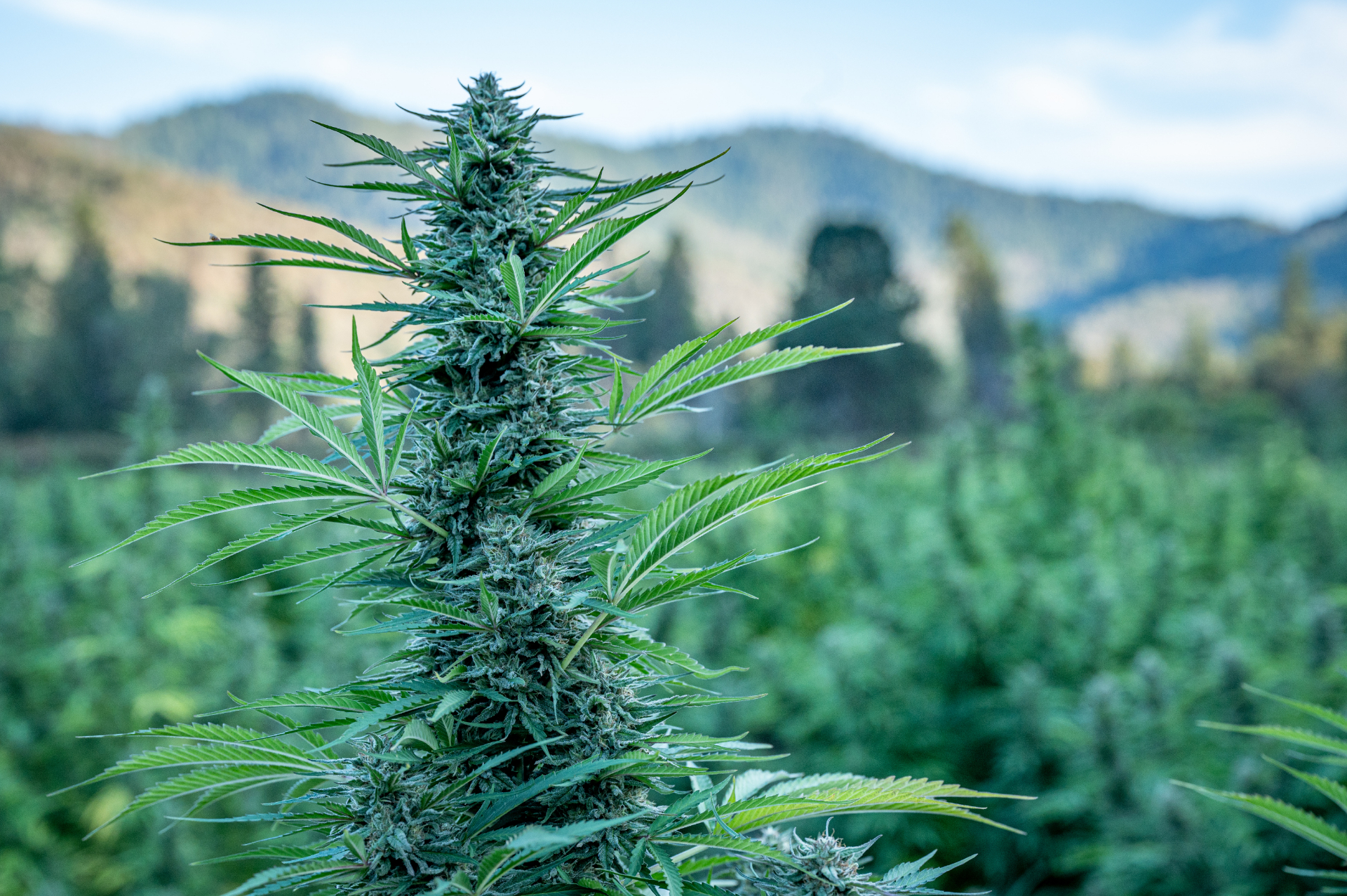
Northern Lights has influenced many hybrids, each sold with its own claims about effects and flavor. Crossbreeding has produced many strains that carry the name, each with its own aroma and THC range.
Names linked to it include Northern Lights #5, Super Silver Haze (a cross between Northern Lights and Haze genetics) and Blueberry Lights. Their effects are described by growers and users, not measured in studies.
Modern hybrids often preserve the strain’s speedy flowering and durability, which growers value. What any hybrid does depends on its cannabinoid and terpene content, which the label and lab report show. The Northern Lights name alone is not a quality standard.
What Is Known About Northern Lights?
Northern Lights is a widely known indica-dominant name in cannabis. Users describe it as relaxing and growers as easy to cultivate, but there is no trial evidence that it eases pain, sleep problems or stress better than other cannabis. The effects described online are personal reports.
Effects also vary from person to person, and Florida patients buy only from licensed treatment centers. If you are considering cannabis for a health condition, a qualified physician can tell you whether you qualify and which form fits.
Last updated October 16, 2026 by the Dr. Green Relief Editorial Team.
Medical review
Medically reviewed by Achilles Kalnoky, M.D.
Reviewed on .
He is licensed in Florida as a medical doctor, license ME115088, which you can check on the Florida Department of Health license lookup.
His review covers the medical statements in this post and the sources cited for them.
Sources
- Smith CJ, et al. The phytochemical diversity of commercial Cannabis in the United States. PLoS One. 2022 (PubMed)
- NIDA. Cannabis (Marijuana)
- CDC. Cannabis Health Effects
- NCCIH. Cannabis (Marijuana) and Cannabinoids: What You Need To Know
- FDA. FDA and Cannabis: Research and Drug Approval Process
- The 2026 Florida Statutes, s. 381.986, Medical use of marijuana (Florida Senate)
- Florida Office of Medical Marijuana Use. Frequently Asked Questions



