How To Protect Cannabis Plants From Heat Stress in Florida?
Growing cannabis plants in Florida has natural advantages, such as plenty of sunshine and long growing seasons. But the state’s high humidity and frequent heat waves can turn that sunshine into a serious problem for growers.
Licensed growers fight heat damage in cannabis with shade, airflow and timing: afternoon shade or shade cloth, deep watering early in the morning, steady air movement, and cooled indoor rooms under LED grow lights.
Under Florida marijuana law, patients and caregivers may not grow marijuana at home; only licensed treatment centers cultivate it, and growing hemp requires a state license.
A Florida patient or caregiver who grows marijuana violates s. 893.13 and faces its criminal penalties (s. 381.986(12)(d), Florida Statutes), so this is not a home-growing guide; it describes how licensed cultivators protect plants from high temperatures. Here is how heat stress starts in cannabis plants and how licensed growers fix and prevent it.
Recognizing Heat Stress in Cannabis Plants
Cannabis thrives in warm climates, but there’s a limit. When temperatures climb too high, especially alongside Florida’s intense humidity, plants begin to struggle.
Signs And Symptoms
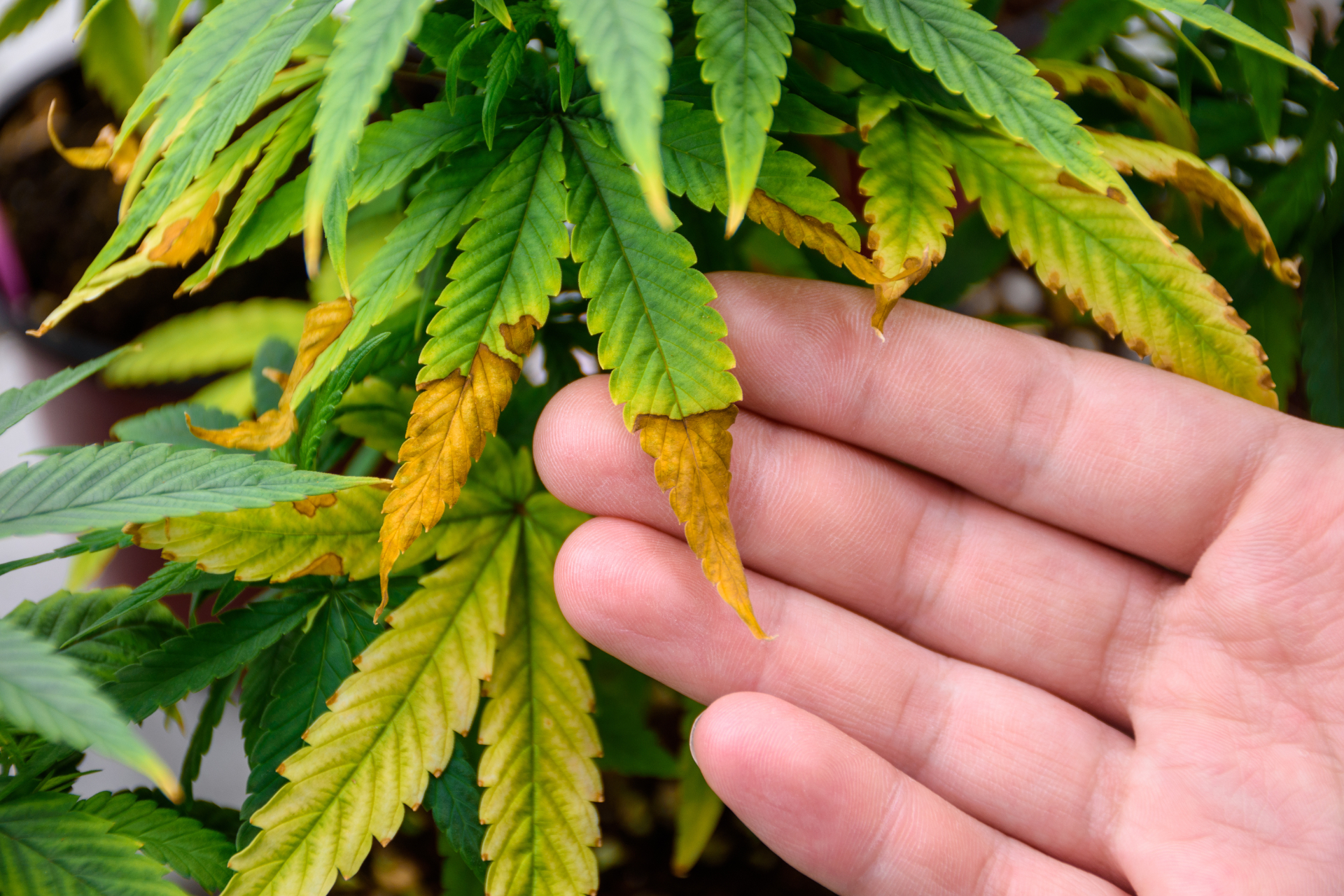
Early signs of heat stress are easy to miss. Cultivation staff watch for:
- Leaf wilting or curling, especially at the edges
- Brown spotting or scorched leaf tips
- Discoloration: leaves may lighten or take on a yellowish tone
- Slow growth during peak heat
- Buds may become airy or loose
In younger plants, cannabis seedling heat stress often appears as droopy stems or curled leaves.
Differences Between Heat Stress And Other Plant Issues
Cannabis heat stress symptoms can sometimes mimic nutrient deficiencies or light burn. One way to tell them apart: if the top of the plant is suffering more than the bottom and the air is hot and still, heat is likely the issue. Nutrient deficiencies usually show more in the lower leaves.
Choosing Heat-Resistant Cannabis Strains
For a licensed grower in Florida, choosing cannabis strains that thrive in tropical or subtropical conditions is a smart start.
Cannabis Strains Growers Choose For Florida’s Climate
Some strains handle heat better than others. Growers often name:
- Sativa-dominant hybrids (sold as suited to hot regions)
- Durban Poison
- Sour Diesel
- Haze varieties
Growers pick these for their thinner leaves and open structure, though seller labels do not always match the plant.
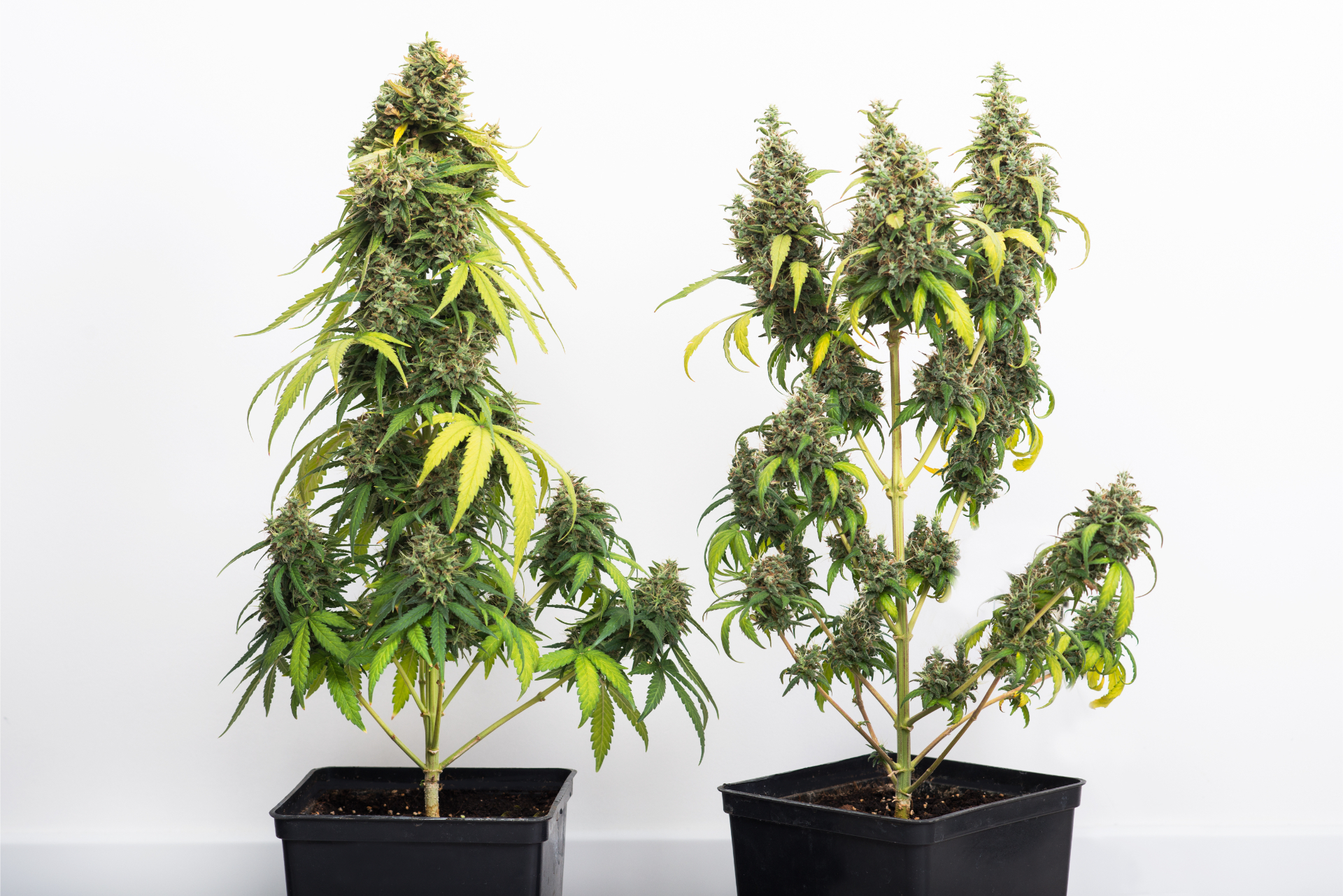
Characteristics Of Heat-Tolerant Genetics
Heat-resistant strains often share a few key traits:
- Looser bud structures (less prone to mold)
- Tall, lanky growth
- High resin production under stress
- Better airflow between nodes
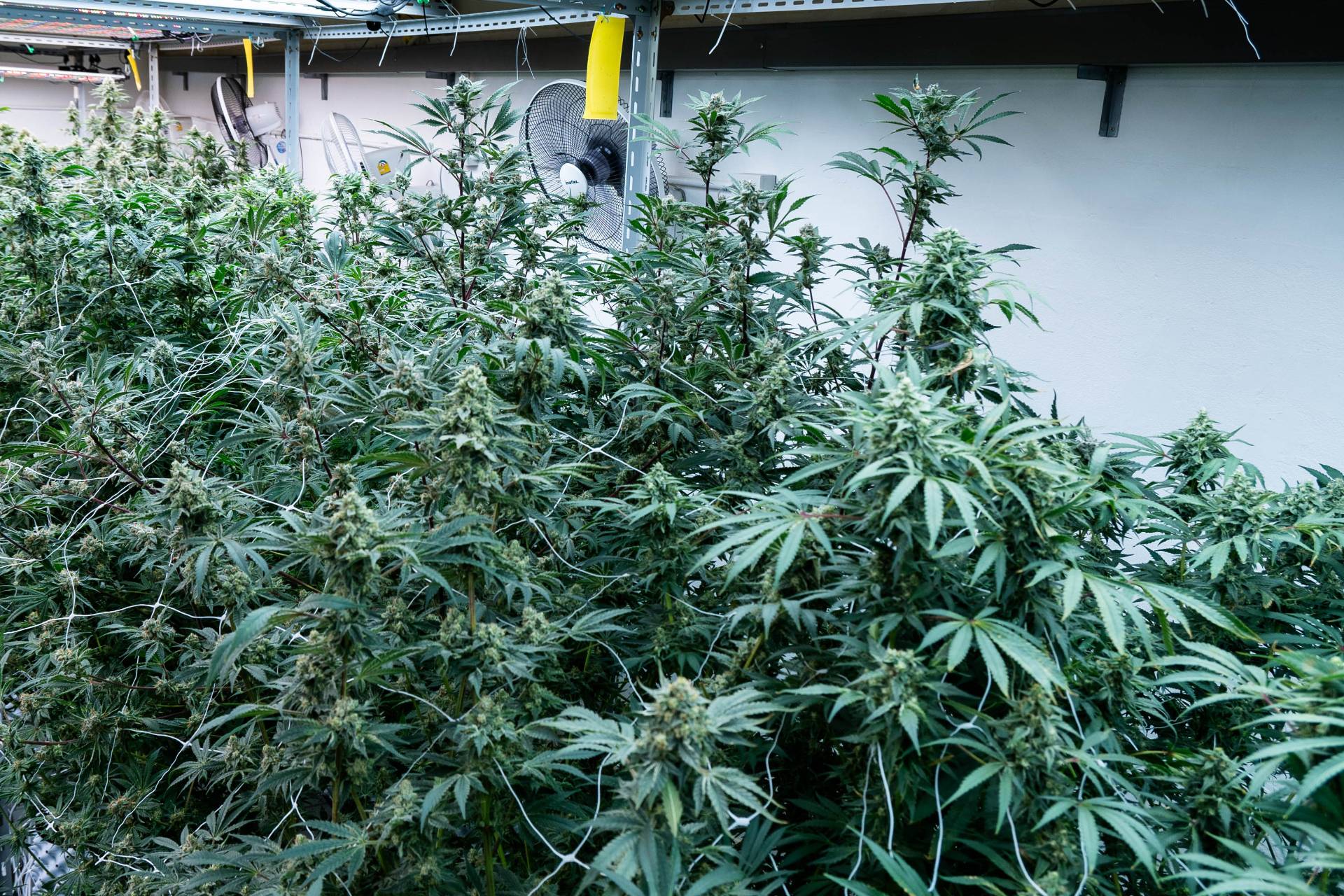
Licensed growers choosing genetics look for breeders who specifically mention heat tolerance. This can make a huge difference, especially with outdoor plants.
Optimal Planting Strategies to Reduce Heat Stress
Timing and location are everything when growing cannabis in hot climates.
Best Planting Times And Seasons
For licensed outdoor plots in Florida, spring and early fall are the most forgiving times to plant, and growers who start plants indoors and transplant once temperatures ease help them avoid cannabis seedling heat stress.
Proper Site Selection For Outdoor Grows
Licensed outdoor growers favor sites with morning sun, afternoon shade and steady airflow rather than stagnant air; elevated ground helps with drainage and reduces humidity around the base of the plants.
Indoor VS Outdoor Growing Considerations
Indoor grows give a licensed cultivator control over the environment, but they are more expensive and require cooling equipment. Outdoor grows cost less, but heat and pests are harder to manage. Indoors, the grow lights themselves can add to the heat burden.
Effective Cooling Techniques for Cannabis Cultivation
Preventing heat stress comes down to airflow, shade and careful watering.
Using Shade Cloths And Reflective Mulches
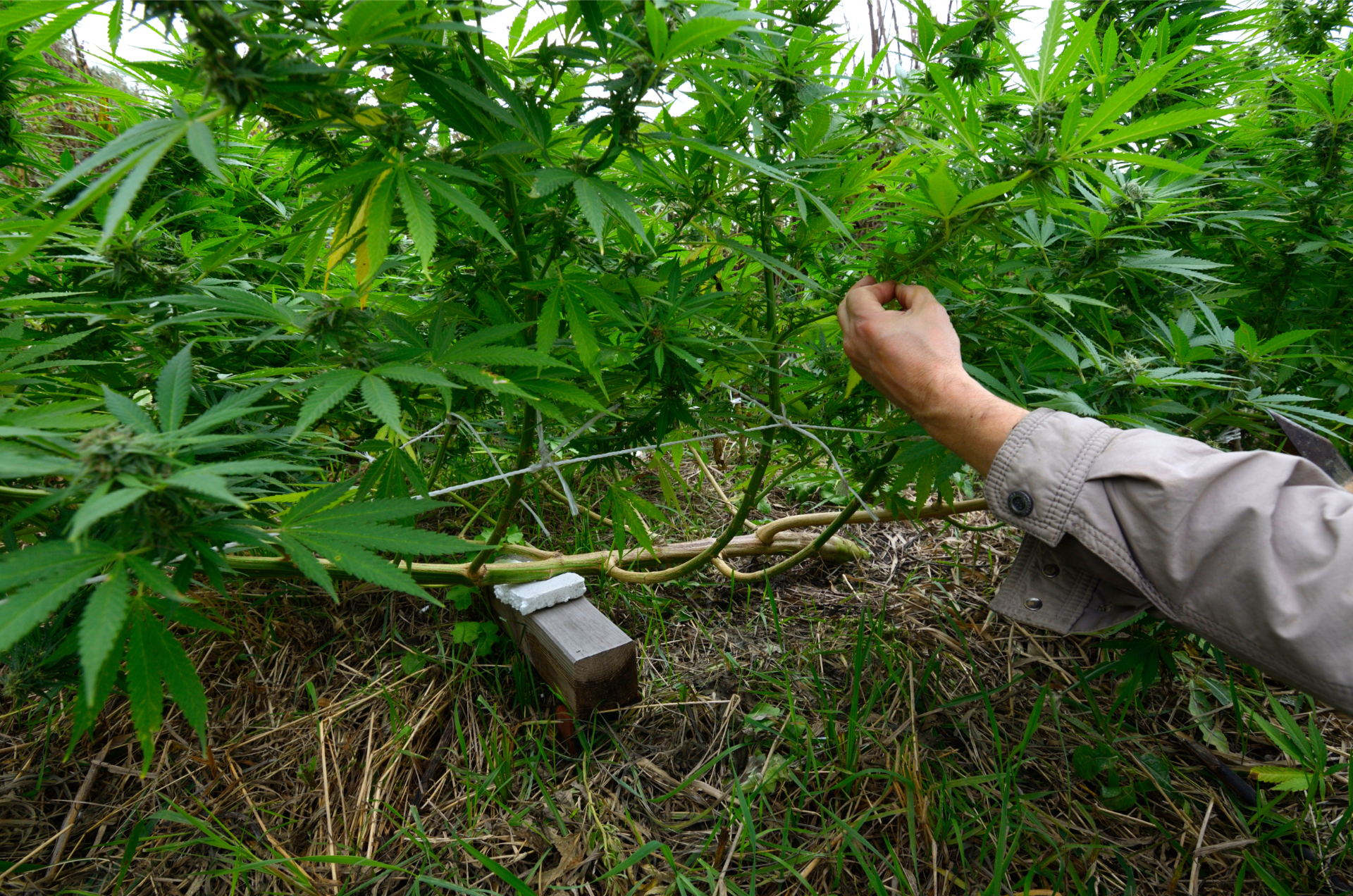
Shade cloths reduce direct sun exposure and can lower the plant canopy temperature. Reflective mulch around the base helps redirect light while keeping the soil cool. Both help before heat damage starts.
Implementing Misting And Evaporative Cooling Systems
Misting during the hottest hours can reduce leaf temperature, but timing is key. Misting late in the day or evening can increase humidity too much, leading to mold. Evaporative coolers work well for indoor cannabis plants, especially in sealed grow rooms.
Strategic Watering Practices To Prevent Heat Stress
Growers water early in the morning so plants are hydrated before temperatures rise, avoid watering during the heat of the day, since it can shock the roots, and water deeply to encourage strong root systems that handle stress better.
Soil and Nutrient Management for Heat Resistance
Healthy roots make heat management easier.
Choosing The Right Soil To Retain Moisture
Sandy soils drain fast, which isn’t ideal in hot weather. A loamy mix with compost or coco coir holds moisture better. Heavy clay traps heat and drains poorly.
Using Mulch And Organic Matter To Regulate Soil Temperature
Adding mulch, such as straw, bark or dried leaves, keeps soil cooler and retains moisture. Organic matter also helps regulate temperature and improve soil structure over time.
Adjusting Nutrient Levels To Support Heat Tolerance
Under heat stress, nutrient uptake slows down. Some growers add seaweed kelp extract during hot spells and cut back heavy nitrogen feeds, which can worsen brown spotting and burnt tips.
Proper Irrigation Methods in Hot Climates
Watering is one of the most critical parts of heat management.
Best Watering Schedule For Florida’s Heat
Growers water early in the day and check soil moisture often; a pot that feels light when lifted needs water, and during extreme heat, daily watering might be necessary.
Drip Irrigation Vs. Overhead Watering
Drip irrigation is better for preventing heat-stressed plants. It delivers water directly to the roots and reduces humidity around the leaves. Overhead watering can contribute to mildew and lose water through evaporation.
Preventing Root Rot And Overwatering Risks
Too much water can be just as dangerous as not enough. Well-draining soil and pots or beds with good runoff lower that risk, and slow growth or overly soft stems can signal root rot.
Greenhouse and Indoor Growing Solutions
Controlled environments offer the best defense against heat but require smart planning.
Controlling Temperature And Humidity
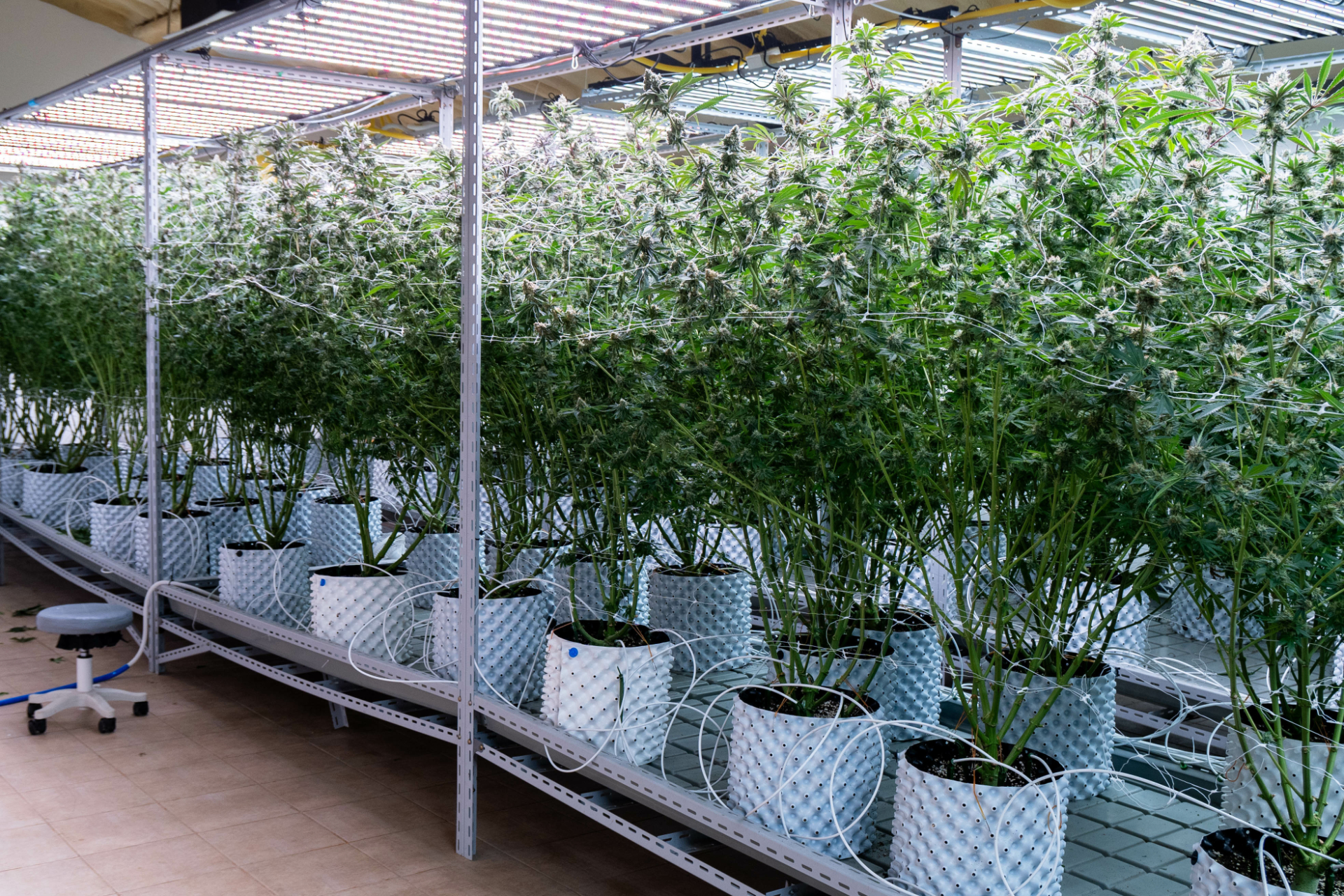
Licensed indoor facilities use AC units, dehumidifiers and fans to keep temperature and humidity steady, and they avoid quick temperature swings, which can shock plants.
Ventilation And Air Circulation Strategies
In those rooms, oscillating fans at plant level move air evenly across the grow space, exhaust fans remove hot, stale air, and intake vents pull in cooler air from outside or from air-conditioned spaces.
Using Grow Lights That Produce Less Heat
Many facilities use LED grow lights, which produce less heat than traditional HPS or MH lights and use less electricity, and keep them far enough from the canopy to avoid burning it.
Monitoring and Responding to Extreme Heat Events
Florida heat waves can last for days, so licensed growers plan ahead.
Heat Waves: Emergency Measures To Protect Plants
During extreme heat, growers reduce light exposure, move container plants indoors or into shade, and add fans or coolers; once cannabis heat stress symptoms appear, a fast response limits lost yields.
Using Temperature And Humidity Sensors For Real-time Adjustments
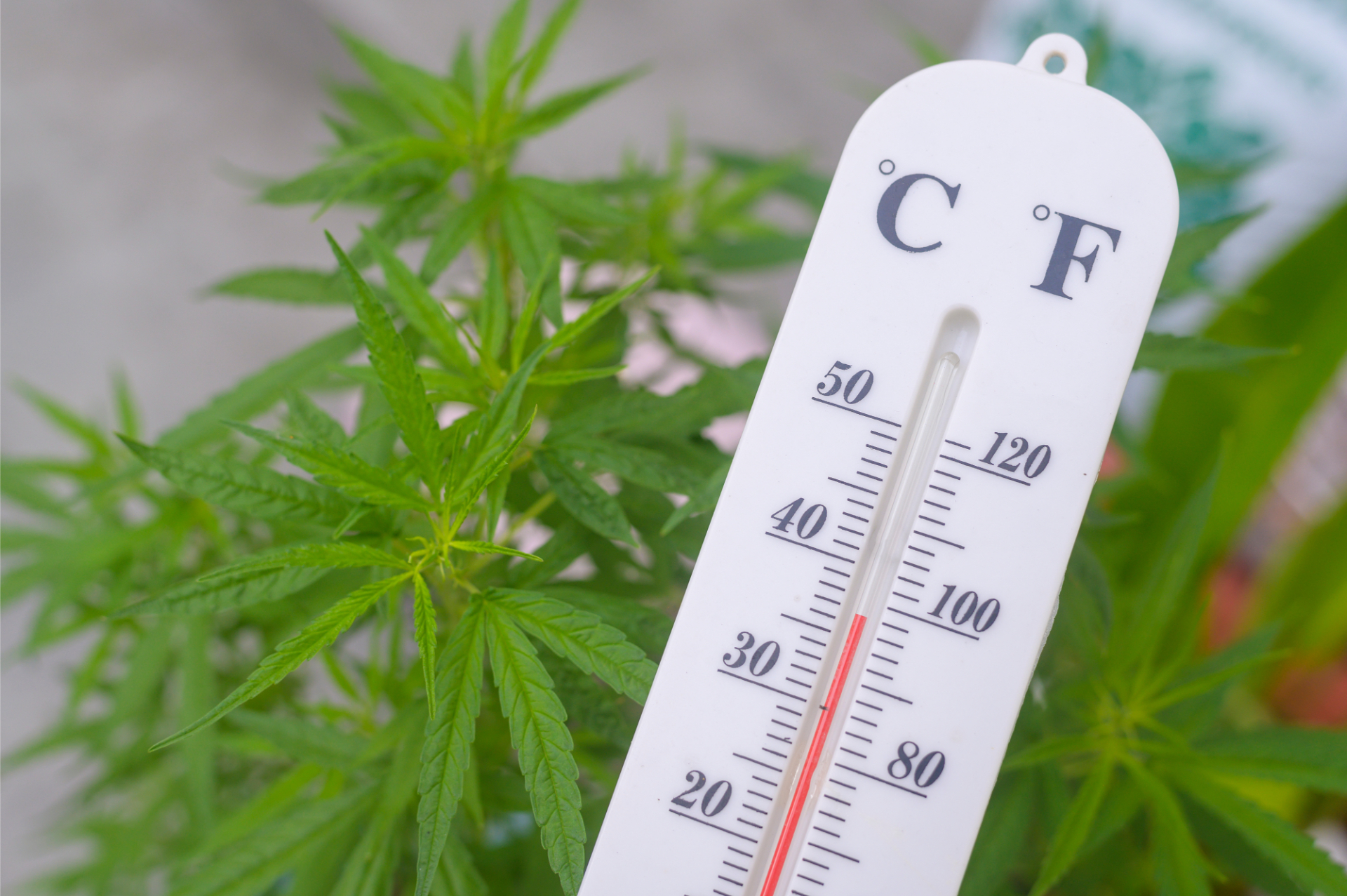
Digital monitors with alerts tell staff when temperatures rise above a set threshold, so they can act before heat stress symptoms appear.
Adjusting Light Cycles And Watering During Heat Spikes
During hot spells, growers may shorten light cycles slightly or raise the lights, water more often rather than more heavily, and watch soil moisture and leaf posture closely.
Final Thoughts
For licensed growers, cannabis heat stress is manageable with shade cloth, suitable strains, good soil and steady airflow. For Florida patients and caregivers the point is different: growing marijuana at home violates s. 893.13, Florida Statutes, and carries that section’s penalties under s. 381.986(12)(d), and only licensed medical marijuana treatment centers may grow it.
Florida patients may buy medical marijuana only from a licensed medical marijuana treatment center.