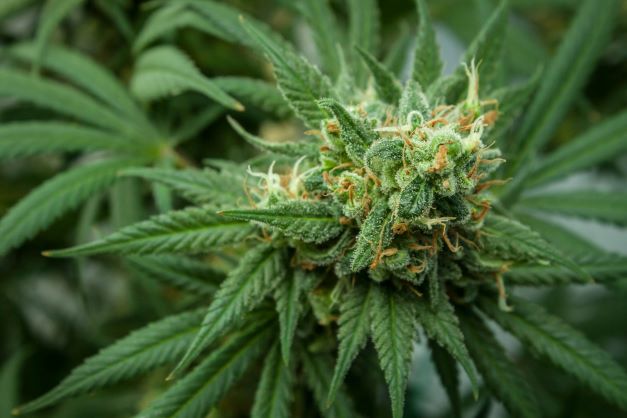
Marijuana for Nausea: What are the Best Strains for Nausea?
Nausea is one of many symptoms people have used marijuana to treat for centuries. Does it help? For chemotherapy nausea, prescription cannabinoids such as dronabinol are FDA-approved when other drugs have not controlled it; for other nausea the evidence is thin, and heavy long-term use can cause severe nausea instead.
In trials summarized by NIH, cannabinoid drugs eased chemotherapy nausea more than a placebo did. In heavy, long-term users, cannabis can also cause cannabinoid hyperemesis syndrome, a cycle of severe nausea and vomiting.
Some people find relief from nausea with marijuana, but it does not work for everyone. It is also not a replacement for conventional medical treatment and should be used in consultation with a healthcare provider.
Does Marijuana Help with Nausea?
THC (tetrahydrocannabinol) is one of the vital active chemicals in marijuana and is responsible for the plant’s euphoric effects. Moreover, the FDA has approved dronabinol, a form of THC, for chemotherapy nausea and vomiting that other drugs have not controlled, and for appetite loss with weight loss in people with AIDS.
However, THC also has drawbacks and can lead to memory loss, sluggish reflexes, psychosis, and anxiety. Because of this, some people like using CBD (cannabidiol), another active ingredient in marijuana that does not cause inebriation.
Many people ask which strain to use, but no strain has been tested for nausea, so the THC and CBD content on the lab label matters more than the name. How strong the high feels is part of that choice.
On the other hand, a CBD-rich strain causes less of a high, but there is little evidence that CBD alone relieves nausea in people.
The mode of intake should also be taken into account. Smoking or vaporizing acts quickly, but smoke irritates the lungs, and vaping THC products has been linked to serious lung injury. Meanwhile, edibles may take up to an hour or more to kick in, but their effects tend to stay far longer.
Pros and Cons of Using Cannabis for Nausea
Cannabinoid drugs eased chemotherapy nausea in trials summarized by NIH, but they also cause side effects, so weigh the points below with your physician.
Pros
- There is some evidence that marijuana helps alleviate chemo nausea and vomiting, particularly in cancer patients receiving chemotherapy.
- In trials, cannabinoid antinausea drugs worked about as well as older antinausea drugs but caused more side effects, such as dizziness and sleepiness.
- Dronabinol is approved for chemotherapy nausea that other drugs have not controlled, so it may be an option when standard remedies fail.
- In Florida, a certified patient buys from a licensed treatment center, where each product is lab-tested before it is dispensed.
Cons
- Cannabis’s effects on the brain and body make it unfit for several situations that need concentration and motor control (such as driving). This adverse effect should be considered when participating in any activity requiring focused attention or motor control.
- Product standards vary by state; in Florida, treatment centers must have each product lab-tested for potency and contaminants before it is dispensed.
- Cannabis products, especially those with CBD, can change how other medicines work and cause serious side effects, the FDA warns. If you are currently taking drugs, you should talk to your doctor before deciding whether or not to add marijuana to your routine.
Strains of Marijuana Patients Name for Severe Nausea
Cannabinoids (the plant’s active components) and terpenes (the molecules responsible for the plant’s distinctive fragrance) vary widely amongst marijuana strains. The NIH and FDA sources cited here name no strain for nausea, and a 2022 study found strain labels often do not match a product’s chemistry. These names come up most often in patient reports:
- Ginger Ale: Users describe this strain as euphoric and stimulating, and some say it settles an upset stomach. High quantities of the chemical THC characterize this Sativa-dominant strain.
- Green Crack: It is a strain noted for its energizing and uplifting effects and some users name it when nausea comes with a poor appetite. And it has a lot of THC in it too.
- Blue Dream: This hybrid strain is described as euphoric and sedating. Patients name it for pain and for nausea and stomach problems, though chronic pain trials of cannabinoids show only a small benefit and none tested this strain.
- Canna-Tsu: This strain is sold as high in CBD, the non-intoxicating cannabinoid, and users report trying it for nausea and other stomach problems.
- Harlequin: It is often sold as a high CBD, low THC strain, which may suit people sensitive to THC; check the lab label, since strain names are not reliable.
It’s crucial to talk to a doctor before using marijuana for nausea to be sure it’s the right choice for you.
Your doctor can help you weigh these factors and read a product’s lab label. In Florida, you must show your Medical Marijuana Use Registry ID card at a licensed treatment center to buy; until the card arrives, OMMU says its approval email can be used to fill an order.

Common Ways to Use Cannabis for Nausea
There are several methods of using cannabis for nausea, such as:
- Smoking: To smoke marijuana, you must light a joint or pipe and inhale the smoke. Although effective quickly, this technique has risks to the lungs and should be avoided by anybody with breathing difficulties.
- Vaporizing: Marijuana may be vaporized by heating it to a high enough temperature to release the active chemicals into the vapor breathed. Vaping avoids smoke, but vaping THC-containing products has been linked to severe lung injury, so it still carries lung risks.
- Edibles: Edibles are any edible food or drink that contains THC. Their onset of action may be delayed by up to an hour, but their effects are frequently more long-lasting. THC may also be used orally as an alternative to smoking or vaporizing.
- Tinctures: THC tinctures are ingested sublingually (beneath the tongue), much like regular drops of liquid. This procedure is effective quickly and offers an alternative to smoking or consuming edibles.
- Topicals: Creams and oils are applied directly to the skin rather than swallowed or inhaled. These topical medical marijuana products are not taken into circulation. Thus, they do not have any psychoactive effects, and there is little clinical research showing they ease symptoms.
When deciding how to use marijuana for nausea, it’s necessary to consider factors including personal choice and potential health consequences. It’s also best to agree on any amount with your physician, because the FDA has not set a cannabis dose for nausea and products vary widely.
At our Sarasota, Tampa and Fort Myers offices in Florida, a qualified physician can review whether your condition qualifies under Florida law. We can explain the options and the rules; whether cannabis helps your nausea varies from person to person.
If you want to learn more about marijuana for nausea, contact us to ask about Florida certification and how to read product labels.