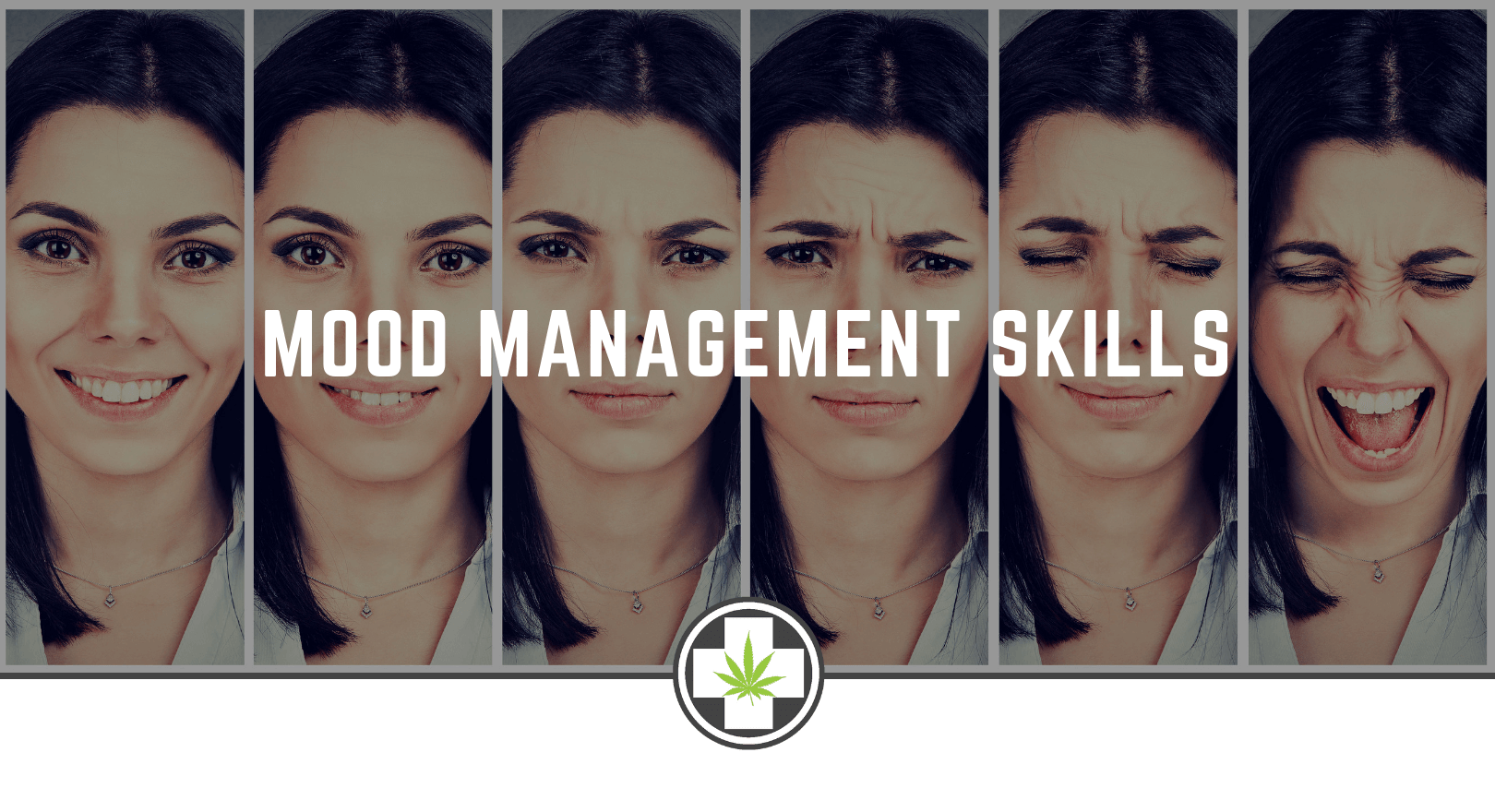
Mood Management Skills
What are mood management skills? They are small habits you can use when a bad mood starts: slow belly breathing, a short walk, a few minutes of gratitude and a mood journal. NIH lists breathing exercises among relaxation techniques. If a low mood lasts for weeks or keeps coming back, talk with your doctor.
Bad moods happen to everyone. Stress and unexpected events can affect our mood, and most of the time a bad mood comes and goes, but changing a mood while you’re in the middle of it is hard. Pushing against a mood often feels like arguing with yourself. The habits below can help you change a mood on your own terms.
Manage It Before It Becomes a Bad Mood
Stress can get the better of anyone and sour your outlook. It helps to act early, before stress builds. As simple as it sounds, one step is to take time out of your day and just breathe.
When stress has a hold on you, breathe slowly and deeply from your belly. This technique, which NIH also calls diaphragmatic breathing, turns your attention to your breathing and away from whatever is stressing you out.
 Small Daily Changes
Small changes in your daily routine can also help you manage your moods.
One change you can easily make is to get moving. This doesn’t have to be heavy exercise. CDC says regular physical activity can reduce your risk of depression and anxiety and help you sleep better, and that some benefits, such as reduced short-term feelings of anxiety in adults, can come right after a session of moderate-to-vigorous activity. Sleep matters too, so aim for regular sleep habits and talk with your doctor if you often sleep poorly.
Also, try taking five minutes out of your day to appreciate the good things in your life. Dwelling on complaints about the weather or the news tends to keep a bad mood going. A 2023 review of 64 randomized trials found that gratitude exercises increased positive feelings and may help as a complement to care for anxiety and depression.
Quick Fixes
Sometimes a bad mood can suddenly hit you and you want to feel better quickly. Maybe your boss just yelled at you or you’re running late for an important meeting. Here are three quick options, and what research says about each:
- Smile: Try smiling for 60 seconds. A 2019 review of 138 studies found that facial expressions have a small, variable effect on how people feel.
- Aromatherapy: Some people enjoy the smell of citrus or lavender, though NIH says it is unclear whether lavender aromatherapy helps stress or mood.
- Chocolate: A square of dark chocolate is a small treat, not a treatment, and low mood that lasts needs a doctor’s care.
 Cannabis and Mood
The relationship between cannabis and mood is complicated, and CDC links cannabis use with depression and anxiety. Cannabis also has a long medical history: NCI notes that medicinal use goes back at least 3,000 years and that it entered Western medicine in 1839. In a 2017 trial of 42 adults, a low dose of THC reduced distress during a stressful task, while a higher dose made mood worse.
Because the effect depends on the dose and the person, labels can mislead: a 2022 study found that the commercial labels on cannabis products do not consistently match their chemistry. Working, driving or caring for others while impaired is unsafe. A physician can explain the differences between types of cannabis.
Online strain reviews describe some strains as uplifting; these are user reports, not tested effects.
- Pineapple Kush: A hybrid that users describe as upbeat; its reputation for easing stress, depression or pain rests on user reports.
- Laughing Buddha: A sativa that users report as happy and euphoric; cannabis has not been shown to treat depression, and CDC links its use with depression.
- King Kong: A hybrid that users describe as relaxed and upbeat. Claims about pain, anxiety and appetite are anecdotes, not test results.
- Pearl Scout Cookies: A hybrid often sold with high THC levels, which can bring anxiety or paranoia for some people. Users describe it as energizing.
- NYPD: A sativa that users say feels neither racy nor sleepy. Reports about pain and stress relief have not been tested.
- Harlequin: Users describe a relaxed but focused experience; its effect on mood or discomfort has not been studied.
- Purple Haze: A long-sold sativa that users describe as euphoric, though a strain name does not reliably predict what is in the product.
Keep a Mood Journal
A mood journal is different from a diary of daily activities, though a diary can help too. Writing down how you feel, and what was happening at the time, can help you spot triggers and the early signs of strong emotions, and see which responses tend to help.
Bad moods are part of life, and given time they usually pass. If you are in a bad mood often or for long stretches, talk with your doctor about it.
Last updated October 16, 2026 by the Dr. Green Relief Editorial Team.
Medical review
Medically reviewed by Achilles Kalnoky, M.D.
Reviewed on .
He is licensed in Florida as a medical doctor, license ME115088, which you can check on the Florida Department of Health license lookup.
His review covers the medical statements in this post and the sources cited for them.
Sources
- NCCIH. Relaxation Techniques: What You Need To Know
- CDC. Benefits of Physical Activity
- Diniz G, et al. The effects of gratitude interventions: a systematic review and meta-analysis. Einstein (Sao Paulo). 2023 (PubMed)
- Coles NA, et al. A meta-analysis of the facial feedback literature. Psychol Bull. 2019 (PubMed)
- NCCIH. Lavender
- CDC. Cannabis and Mental Health
- National Cancer Institute. Cannabis and Cannabinoids (PDQ), Health Professional Version
- Childs E, et al. Dose-related effects of delta-9-THC on emotional responses to acute psychosocial stress. Drug Alcohol Depend. 2017 (PubMed)
- Smith CJ, et al. The phytochemical diversity of commercial Cannabis in the United States. PLoS One. 2022 (PubMed)



