Medical Marijuana for Lupus
Can medical marijuana help lupus? It has not been shown to. The NIH summary of cannabis research does not cover lupus, and for chronic pain in general it reports only a small benefit. Cannabis is not a proven lupus treatment, and the sections below separate what is known from what is claimed.
A long history of use is not evidence that cannabis works for lupus, and modern trials support only a few medical uses. As more states allow medical cannabis, researchers are studying it for many conditions, and some state programs, such as Georgia’s, list lupus as a qualifying condition. A state listing is not proof that cannabis works for lupus.
What is Lupus?
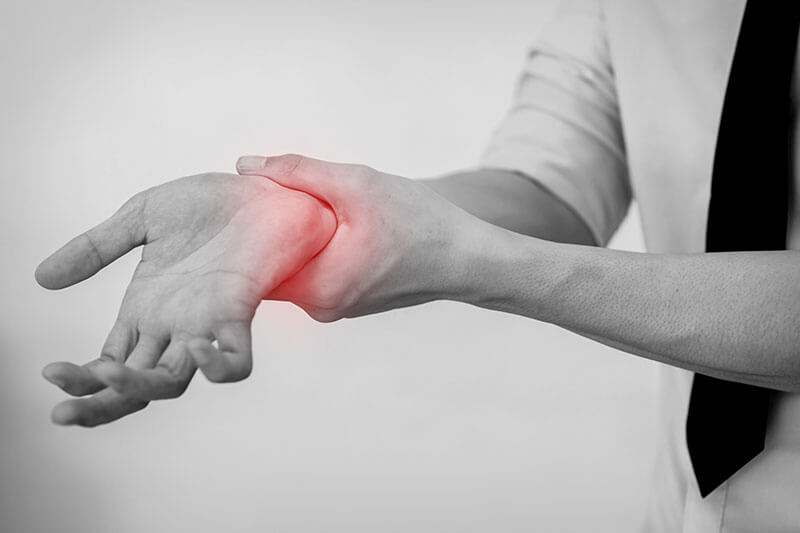
Lupus is a chronic autoimmune disease that can damage many parts of the body, such as skin, joints, and organs. Lupus symptoms may come and go, with periods of illness called flares and periods of wellness called remission. There is currently no known cure.
People with lupus have an immune system that cannot recognize the difference between the body’s natural cells and harmful invading cells. Because of this, the immune system creates antibodies to attack and destroy the body’s healthy cells.
CDC estimates that about 204,000 people in the United States have systemic lupus, and about 9 in 10 of them are women.
Symptoms of Lupus
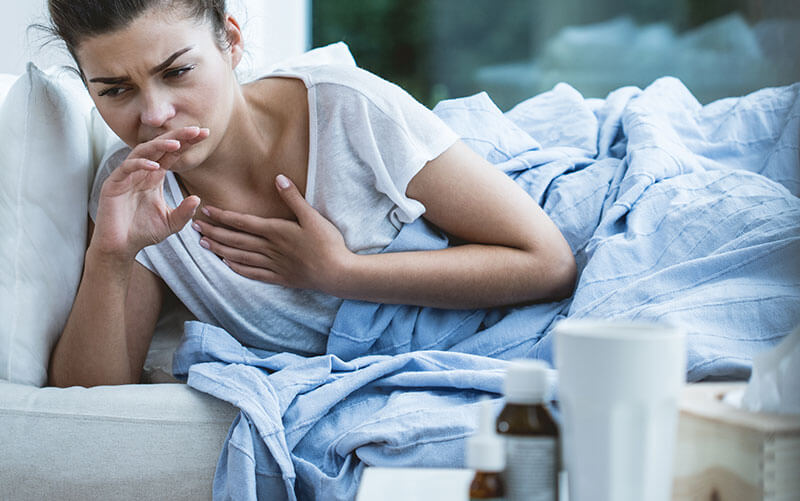
Lupus can affect many of the body’s systems and organs, causing many different symptoms. Symptoms can change over the course of the disease, and how long they last varies.
The most common symptoms of lupus include:
- Extreme fatigue
- Headaches
- Painful or swollen joints
- Pain in chest when breathing deeply
- Butterfly-shaped rash across cheeks and nose
- Fever
- Anemia
- Swelling in feet, legs, hands, or around eyes
- Sun or light-sensitivity
- Hair loss
- Abnormal blood clotting
- Fingers turning white or blue when cold
- Mouth or nose ulcers
Treatment of Lupus
There is no cure for lupus, but with treatment many people can manage the disease, according to NIH. The most common treatments include:
- NSAIDs for pain relief and fever
- Corticosteroids to reduce pain and inflammation
- Immunosuppressants to calm a dysfunctional immune system
- Antimalarial drugs to treat fatigue, joint pain, skin rashes and lung inflammation, according to NIH.
Long-term use of some of these medicines can cause serious side effects, so review them with your doctor.
Can Cannabis Help With Lupus Symptoms?
The endocannabinoid system has receptors located throughout our bodies, including the systems that regulate immunity. Finding out exactly how cannabinoids interact with the immune system still requires research, but NIH’s summary of cannabis research lists no clinical evidence that cannabis helps lupus symptoms specifically.
- Immune effects: In mouse studies, THC suppressed parts of the immune system, which is why researchers ask whether it could calm an overactive one; this has not been tested in people with lupus.
- Inflammation: Lab and animal studies suggest cannabinoids can dampen inflammation, but this has not been shown in lupus patients.
- Pain relief: Reviews of chronic pain trials find a small benefit, if any, for chronic pain in general, and the NIH summary does not mention lupus. Painful or swollen joints are among the lupus symptoms NIAMS lists, which is why the question keeps coming up.
Administering Cannabis for Lupus
Each way of taking cannabis has its own trade-offs, and none is proven for lupus. For example, smoked cannabis acts quickly, but CDC says cannabis smoke has many of the same toxins, irritants and carcinogens as tobacco smoke. Vaporization avoids smoke and acts faster than edibles, but vaping THC-containing products has been linked to severe lung injury, and its effects wear off sooner. Edibles take time to kick in and their effects last longer, which makes the dose harder to judge.
If you have lupus and take other medicines, the way you take cannabis matters.
- Vaporization: Acts within minutes, but FDA warns that CBD can change how other medicines work, so check with your doctor if you take any.
- Cannabis oil: Taken by mouth in measured doses; it should never replace the medicines that keep lupus under control.
- Edibles: Because their effects last longer, some patients take them at night, though this has not been studied in lupus.
- Topicals: Creams and ointments with THC or CBD are applied to sore joints, but no study cited on this page tests them for joint pain or inflammation.
Strains Lupus Patients Mention
No strain has been tested for lupus, and strain names often do not match a product’s chemistry, so the reports below are anecdotes. Patients describe different preferences: some choose CBD oil or a strain with a high CBD to THC ratio, some prefer equal amounts of THC and CBD, and others choose a high-THC strain. Strains patients mention include:
- Cannatonic: Usually sold as a high-CBD strain with little THC, though ratios vary by batch, so read the lab label. Patients report using it for pain, stress and inflammation.
- Harlequin: Another strain usually sold as high in CBD, with a ratio that varies by batch. Patients report using Harlequin for pain and inflammation.
- Sour Tsunami: Another strain usually sold as high in CBD; patients report using it for fatigue, pain and inflammation.
- Girl Scout Cookies (a.k.a. GSC): It is usually sold as a high-THC strain, though labels vary. Patients report using GSC for stress, pain and sleep.
- The White: Often sold as a high-THC strain, with THC that varies by batch; patients report using it for sleep, pain and inflammation.
- Death Star: Usually sold as a high-THC strain, though the figure varies by grower and batch, so read the lab label. Patients report using it for pain, sleep and stress.
The Takeaway
Cannabis is not a proven treatment for lupus symptoms, and personal reports of relief are not trial evidence. Because lupus can damage organs and body tissues, it should never be self-diagnosed or self-treated. Always talk with your doctor before beginning a cannabis regimen, especially if you are taking other medications.
Any medical use of cannabis should be guided and supervised by a qualified medical professional. Florida’s list of qualifying conditions does not name lupus, so a qualified physician may certify it only if it is of the same kind or class as, or comparable to, one of the listed conditions other than a terminal condition or chronic nonmalignant pain; that decision is at the physician’s discretion, and certification is never promised. The physician at our Sarasota office can review whether that applies to you. Ask your rheumatologist first if you take other medicines, since FDA warns that cannabis products can change how some drugs work.
Last updated October 16, 2026 by the Dr. Green Relief Editorial Team.
Medical review
Medically reviewed by Achilles Kalnoky, M.D.
Reviewed on .
He is licensed in Florida as a medical doctor, license ME115088, which you can check on the Florida Department of Health license lookup.
His review covers the medical statements in this post and the sources cited for them.
Sources
- NIAMS. Lupus
- NIAMS. Lupus: Diagnosis, Treatment, and Steps to Take
- CDC. Lupus Facts and Stats
- NCCIH. Cannabis (Marijuana) and Cannabinoids: What You Need To Know
- National Cancer Institute. Cannabis and Cannabinoids (PDQ), Health Professional Version
- Tashkin DP, et al. Inhaled Marijuana and the Lung. J Allergy Clin Immunol Pract. 2022 (PubMed)
- Smith CJ, et al. The phytochemical diversity of commercial Cannabis in the United States. PLoS One. 2022 (PubMed)
- FDA. What You Need to Know (And What We’re Working to Find Out) About Products Containing Cannabis or Cannabis-derived Compounds, Including CBD
- CDC. Cannabis and Lung Health
- The 2026 Florida Statutes, s. 381.986, Medical use of marijuana (Florida Senate)
- Georgia Department of Public Health. Medical Cannabis