Alcohol and Marijuana: Combined Effects and Risks
Mixing cannabis and alcohol can cause unpredictable and sometimes dangerous effects. Both substances affect the body and brain differently, and mixing them can intensify the effects. This can result in increased impairment, higher risk for health, and potentially unpredictable emotional reactions. The term “cross-fading” describes the intensified feeling users experience when consuming both substances together.
Knowing how marijuana and alcohol affect your body differently and the dangers of mixing them can assist users in making better decisions. If you use both, do not drive, and know that using them at the same time increases impairment, per CDC.
How Alcohol and Marijuana Affect the Body Separately
Both act on the brain: alcohol disrupts the brain’s communication pathways, and THC changes mood, thinking, memory and movement.
Alcohol
Alcohol slows the brain’s activity and acts on the central nervous system. It impairs coordination, slows judgment, and decreases the speed at which one reacts. If blood alcohol levels rise, the person’s ability to think clearly diminishes. This could increase the likelihood of accidents, and reckless behavior and increase the chance of health problems that are chronic, such as dependence and alcohol-related liver diseases.
Regular alcohol consumption can result in physical dependence. In time, it increases the risk of developing mental health problems like depression and anxiety. Combining alcohol and cannabis can intensify these effects and can lead to more serious impairment. In a 2015 controlled study of 32 adults, drinking alcohol before vaping cannabis raised peak blood THC levels, which can deepen intoxication.
Marijuana
THC acts on the body’s endocannabinoid system, affecting mental state, mood and motor abilities. The primary psychoactive component, THC, binds to the brain’s receptors, which causes feelings of euphoria or a sense of relaxation. However, excessive THC concentrations can cause anxiety, paranoia, or even hallucinations when users are not experienced.
Like alcohol, marijuana acts on the central nervous system, and it affects short-term memory and coordination. In the long run, marijuana use can cause dependence and even worsen the existing mental health problems. A small 1992 study of 15 men found smoking marijuana delayed and lowered the peak blood alcohol level, a sign that each drug changes the other in hard to predict ways. The combination increases the dangers of nausea and disorientation.
Combined Effects of Alcohol and Marijuana
When cannabis and alcohol are combined, the effects of both substances get intensified. This is referred to as “cross-fading”, where the combination of alcohol and marijuana causes a feeling of an increased level of intoxication. Alcohol may increase levels of THC and cause stronger or longer-lasting effects. The result is that users feel more disoriented, slow, or even more mentally impaired in comparison to when they use either on its own.
Cross-fading can increase the likelihood of adverse reactions, such as nausea, dizziness, and impairment in motor skills. Increased THC concentrations in cannabis, together with higher levels of blood alcohol, may intensify these symptoms. In a national survey of 8,626 adults, using alcohol and cannabis at the same time was linked to heavier drinking and about double the odds of drunk driving compared with alcohol alone. The unpredictability of this process often leads to impaired individuals not knowing what they’re feeling, which could result in injury while doing things like driving.
Since the interactions between these substances vary from person to person, users can experience anything from a mild feeling of happiness to intense discomfort. Because no one can predict their own reaction, the safest plan is not to combine them.
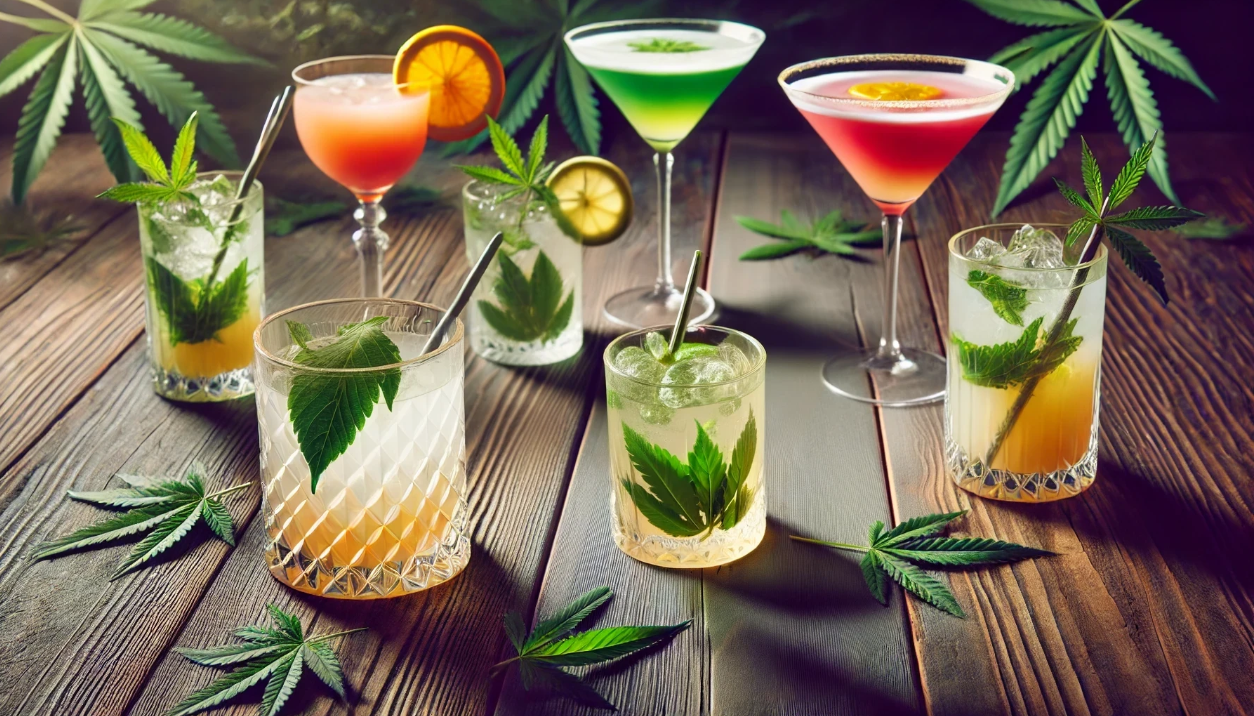
Risks of Combining Alcohol and Marijuana
Mixing cannabis and alcohol can result in severe health hazards that go beyond the possibility of temporary impairment. The mix affects the body and mind, increasing the likelihood of severe reactions. Here are the main risk factors associated with cross-fading.
Increased Impairment
Combining the two causes a greater impairment that affects the ability to move, judgment, and overall cognitive performance. This makes driving or operating machinery extremely risky. Cross-fading may also result in overestimating a person’s capabilities, leading to risky behavior.
Here are some of the major effects of impaired performance:
- Slower reaction time: Alcohol decreases alertness and marijuana reduces coordination. It makes it harder to react quickly.
- Poor coordination and reduced focus: The two substances can affect motor skills, increasing the chance of falling or injuries.
- Higher risk of injuries and accidents: Slower reactions and poor judgment raise crash risk, and CDC says using both at once increases impairment.
Greater Risk of Nausea and Vomiting
Combining both substances can cause nausea or vomiting. Alcohol causes digestive discomfort and marijuana can cause the feeling of disorientation and dizziness, especially at higher THC levels. Each drug changes how the body handles the other, as studies of blood THC and blood alcohol levels show.
The combination can lead to:
- Stomach irritation from alcohol: The alcohol inflames the stomach lining, which makes people more susceptible to nausea.
- Amplified dizziness from marijuana: Marijuana alters the balance and when mixed in conjunction with alcohol, the dizziness can become worse.
- Severe vomiting in extreme cases: Cross-fading may cause vomiting that is excessive, leading to dehydration.
Psychological Effects
Combining cannabis and alcohol can cause severe psychological reactions, particularly for those susceptible to mood disorders. Although alcohol can initially cause feelings of relaxation, its effects of depression can lead to feelings of anxiety and sadness. Marijuana, based on its THC concentration, can cause anxiety or panic attacks.
Here’s how the psychological risk manifests:
- Greater anxiety and paranoia in sensitive users: Marijuana’s psychoactive effects may cause anxiety, which can worsen with time.
- Amplified mood swings due to alcohol’s depressant nature: Alcohol is a depressant from the first drink; it can feel relaxing at first, but it disrupts the brain’s communication pathways and can leave mood less stable.
- Increased likelihood of panic with high THC levels: NIDA notes anxiety, panic and hallucinations are more common with large amounts or strong products.
Increased Risk of Addiction
Regular use of either drug can lead to a use disorder; CDC estimates about 3 in 10 people who use cannabis have cannabis use disorder. In time, users will require higher doses to get similar effects, which can lead to addiction and tolerance.
Here are the most critical issues that relate to addiction:
- Higher tolerance develops over time: Cross-fading regularly reduces the sensitivity of users to the effects and requires more of them to feel drunk.
- Increased cravings for both substances: Dependency may cause more frequent use and increase the risk of developing a health problem.
- Greater risk of long-term substance problems: Help exists, and NIDA notes therapies such as cognitive behavioral therapy can treat cannabis use disorder.
Unknown Effects
The research on the long-term consequences of mixing alcohol and cannabis is sporadic. The short-term risks, such as alcohol poisoning and impairment, are well known, but frequent cross-fading has not been studied enough to rule out long-term harm. The lack of studies underscores the importance of being cautious when combining two substances.
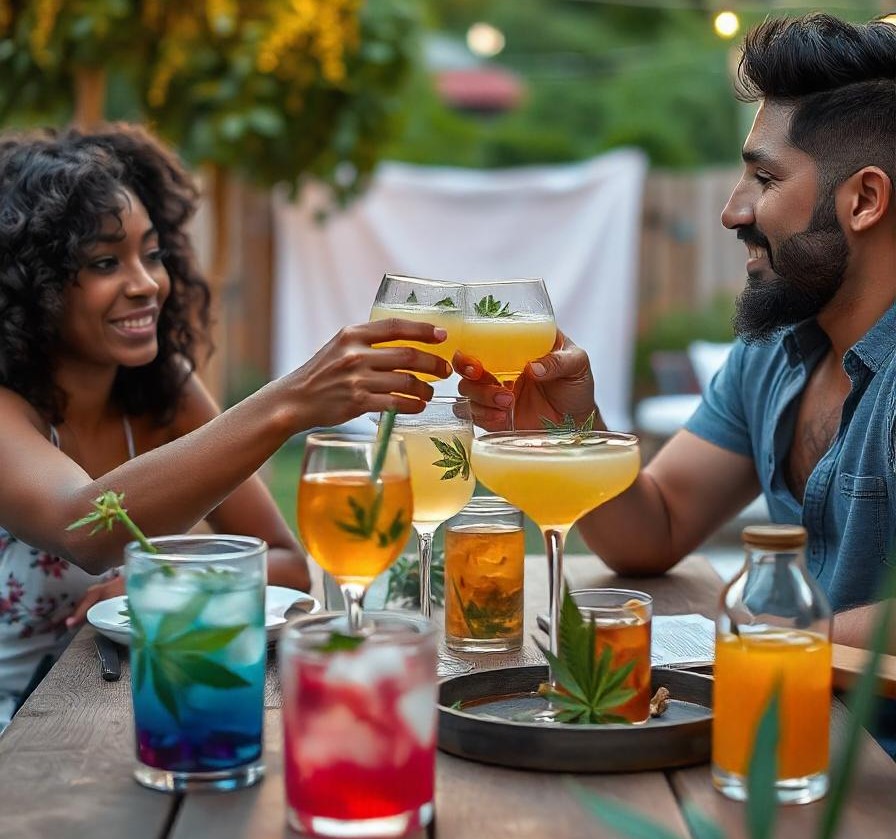
How to Minimize Risks if Choosing to Combine
Mixing alcohol and cannabis can result in unpredictable effects. Taking a cautious approach reduces the chances of severe side effects like alcohol poisoning or heightened impairment. Below are practical ways to minimize risks when using both substances together.
Know the Interaction
Consuming alcohol and marijuana together amplifies their effects. Alcohol raises blood THC levels, so the same cannabis product can hit harder after a drink. Since alcohol increases THC absorption, consuming too much too soon can lead to overwhelming intoxication. The simplest way to avoid severe impairment is not to use the two at the same time.
Hydration and Rest
Staying hydrated helps prevent dehydration, a common issue when using alcohol and cannabis. Alcohol depletes the body of fluids, while marijuana can cause dry mouth. Sipping water helps with the dry mouth and fluid loss described above. Resting when feeling dizzy or nauseous can also reduce discomfort and prevent overconsumption.
Set a Limit
The safest plan is not to combine them. Deciding that before you start, rather than judging your limits while impaired, lowers the chance of extreme intoxication. Overconsumption of either substance increases the risk of alcohol poisoning and other severe side effects.
Have a Safe Environment
If someone does use both, a familiar place with trusted people nearby means help is close if problems start. A supportive environment helps if you experience anxiety, dizziness, or other adverse effects. Avoid mixing substances in places where you need to remain alert, like unfamiliar locations or social settings where help may not be available.
When To Get Help
If someone is vomiting, confused, hard to keep awake or having trouble breathing, call 911; NIAAA lists these as signs of alcohol overdose. These could be signs of alcohol poisoning or a bad reaction to THC levels. Frequent cross-fading or dependence on either substance is a reason to talk with your own doctor or an addiction specialist; SAMHSA’s National Helpline (1-800-662-4357) is free and confidential. Early intervention can prevent long-term health issues and help manage substance use safely.
Conclusion
Mixing cannabis and alcohol may result in different effects from one person to the next, and a few factors explain why. Individual tolerance levels, prior experiences with each drug, and overall health issues affect the results. Some people may enjoy the mixture and others may feel more anxious or uncomfortable.
Deciding in advance not to combine them works better than trying to judge when to stop while impaired. In addition, the legal status of marijuana and alcohol varies depending on the locale, making it essential to know the local laws before consuming both. Making informed choices lowers your risk, but no combination of alcohol and cannabis is without risk.