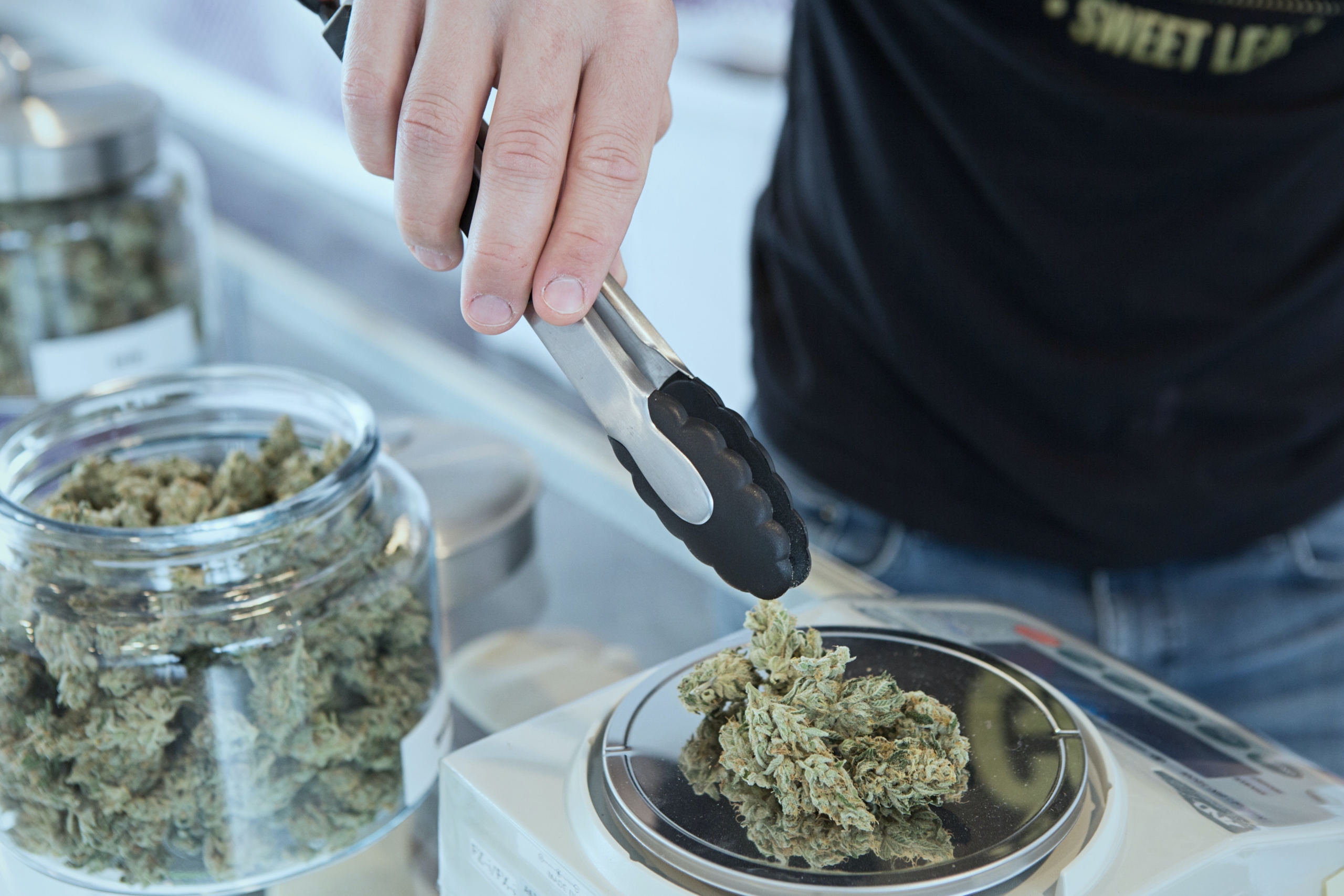
A Guide to Understanding THC and CBD Ratios
A THC to CBD ratio tells you how much of each cannabinoid a product contains compared with the other. Our post on cannabis microdosing covers what research shows about very small amounts. No ratio has been shown to work better for any condition, and in a 2023 randomized trial, adding CBD did not change THC’s effects on memory recall or psychotic symptoms.
When choosing a product, consider the THC to CBD ratio, your tolerance and any medicines you take. Here is a plain guide to reading THC and CBD ratios on a label.
What Is a THC to CBD Ratio?
THC stands for tetrahydrocannabinol and CBD for cannabidiol, the two cannabinoids the ratio compares.
These two cannabinoids, among the hundreds of compounds found in cannabis plants, have received the most attention and study. In the human body, the endocannabinoid system is thought to help regulate pain perception, mood and appetite, and THC and CBD both act on that system, in different ways.
The intoxicating effects of cannabis come mainly from THC. CBD does not cause a high; its only FDA-approved use is the seizure drug Epidiolex, and evidence for pain or anxiety relief is limited.
The CBD-to-THC ratio varies considerably based on cannabis strain and extraction technique. It’s possible to breed cannabis plants with a high or low concentration of THC and CBD. During the extraction process, the ratio may also be changed so that some products have a higher concentration of CBD or THC than others.
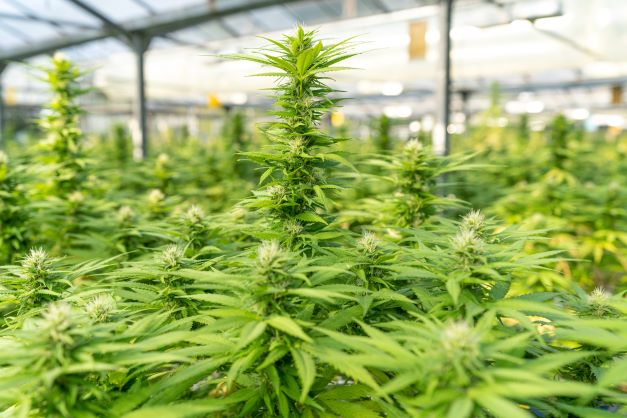
Taking CBD and THC Together: The Evidence
CBD and THC can have distinct physiological effects when consumed alone or together. Many people assume more CBD softens THC’s effects, but a 2023 randomized trial in 46 infrequent cannabis users found that CBD did not reduce THC’s acute effects at the ratios common in cannabis products.
A 1:1 THC and CBD mouth spray, nabiximols, is approved in some countries but not in the United States, NIH notes. On sleep, a 2021 review found mostly small studies and said larger trials are needed to judge sleep quality.
Uses that have been studied for THC, CBD or both, with mixed results, include:
- Chronic pain (NIH reports some evidence of a modest benefit)
- Sleep (small studies so far)
- Appetite in AIDS-related weight loss (dronabinol, an FDA-approved THC drug)
- Chemotherapy nausea (dronabinol and nabilone are FDA approved)
- Anxiety (only a small amount of evidence)
- Inflammation (mostly lab and animal studies)
- Agitation in Alzheimer’s disease (small trials, no clear benefit)
Is There a Proven THC to CBD Ratio for Pain?
There is no good evidence that one ratio works better than another for pain. Nabiximols, a 1:1 spray, did not beat placebo for cancer pain in 2017 phase 3 trials, and your physician, not a chart, should set any amount you use.
Your physician may suggest a product with more or less THC depending on your condition, your other medicines and how THC affects you. Any change should be made with your physician rather than by trial and error.
Which CBD to THC Ratio Has Been Studied for Anxiety?
For anxiety, THC itself can cut both ways, and the NIH sources cited here name no CBD to THC ratio for anxiety. NIH calls the evidence for cannabinoids and anxiety small, and in a 2017 lab study a low dose of THC eased stress while a higher dose made mood worse.
Ask your medical marijuana doctor before changing products, and keep a note of side effects such as anxiety, dizziness or sleepiness to share at your next visit.
CBD Ratio and Sleep: What Studies Show
The 2021 sleep review cited above found no CBD ratio that helps people with insomnia sleep better.
THC can cause sleepiness, but the sleep research is still thin, and no expert body has set a ratio for insomnia. Trouble sleeping that lasts is worth discussing with a physician.
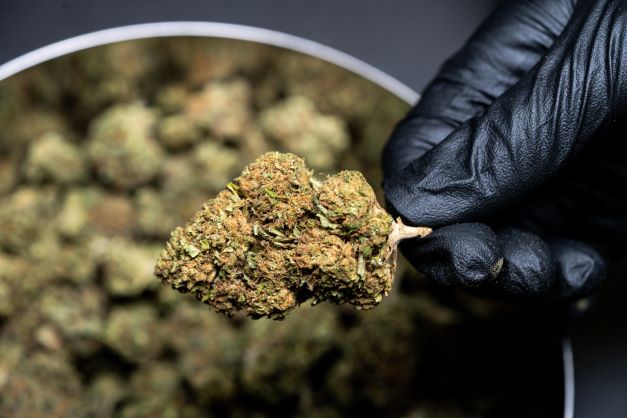
How Do I Choose a CBD-THC Ratio?
There are a few things to remember when comparing CBD-to-THC ratios. Determine why you want to use CBD and THC in the first place. Is it a matter of relieving pain, calming nerves, or something else entirely?
Here is a simple guide to CBD and THC ratios for cannabis products:
| CBD to THC Ratio | What the ratio means |
| 20:1 | Mostly CBD; the THC milligrams per serving still matter |
| 8:1 | Eight times as much CBD as THC |
| 4:1 | Four times as much CBD as THC |
| 2:1 | Twice as much CBD as THC |
| 1:1 | Equal amounts of CBD and THC |
A ratio tells you the balance of CBD and THC, not the total amount: two products with the same ratio can contain very different milligrams of THC, so read the label and follow your physician’s instructions.
Drug interactions matter too: before combining CBD and THC with any other medicine, ask your physician to check each option against your condition and your medicines.
Summary
No ratio is proven for any condition, so decisions about CBD and THC belong with your physician. Bring a list of your goals and every medicine you take, since the FDA warns CBD can change how other drugs work and possibly cause serious side effects.
The form you use, such as edibles, tinctures, dried flower or pills, changes how fast effects start and how long they last: a 2003 review found that effects of swallowed THC begin 30 to 90 minutes after it is taken and peak after 2 to 3 hours. Contact us today to learn what Florida’s medical marijuana program allows.
Last updated October 16, 2026 by the Dr. Green Relief Editorial Team.
Medical review
Medically reviewed by Achilles Kalnoky, M.D.
Reviewed on .
He is licensed in Florida as a medical doctor, license ME115088, which you can check on the Florida Department of Health license lookup.
His review covers the medical statements in this post and the sources cited for them.
Sources
- Lazarjani MP, et al. Processing and extraction methods of medicinal cannabis: a narrative review. J Cannabis Res. 2021 (PubMed Central)
- Englund A, et al. Does cannabidiol make cannabis safer? A randomised, double-blind, cross-over trial of cannabis with four different CBD:THC ratios. Neuropsychopharmacology. 2023 (PubMed)
- Kaul M, et al. Effects of Cannabinoids on Sleep and their Therapeutic Potential for Sleep Disorders. Neurotherapeutics. 2021 (PubMed Central)
- Fallon MT, et al. Sativex oromucosal spray as adjunctive therapy in advanced cancer patients with chronic pain unalleviated by optimized opioid therapy: two double-blind, randomized, placebo-controlled phase 3 studies. Br J Pain. 2017 (PubMed)
- Childs E, et al. Dose-related effects of delta-9-THC on emotional responses to acute psychosocial stress. Drug Alcohol Depend. 2017 (PubMed)
- NCCIH. Cannabis (Marijuana) and Cannabinoids: What You Need To Know
- FDA. What You Need to Know (And What We’re Working to Find Out) About Products Containing Cannabis or Cannabis-derived Compounds, Including CBD
- Grotenhermen F. Pharmacokinetics and pharmacodynamics of cannabinoids. Clin Pharmacokinet. 2003 (PubMed)



