What Is Microdosing Cannabis and How Does It Work?
Microdosing cannabis means taking very small amounts, usually of THC, to avoid feeling high. Trials have not tested whether it helps mood or focus, and no safe microdose of THC has been established.
This might sound odd at first glance: why would anyone intentionally take less of something when most people want a better effect? However, many people who adopt microdosing say they see value in taking consistently small amounts.
People say they are more focused at work, calmer in stressful situations, or feel less burden from anxious thoughts, all while not feeling the strong feeling of “high” that could prevent them from functioning throughout their daily lives.
That practice is microdosing.
Microdosing emphasizes subtle changes rather than some momentous change when using cannabis. Whether it actually supports mood or focus has not been tested in trials of microdosing.
The idea is a background effect rather than a high, though the studies cited here do not test whether that works.
What Is Microdosing?
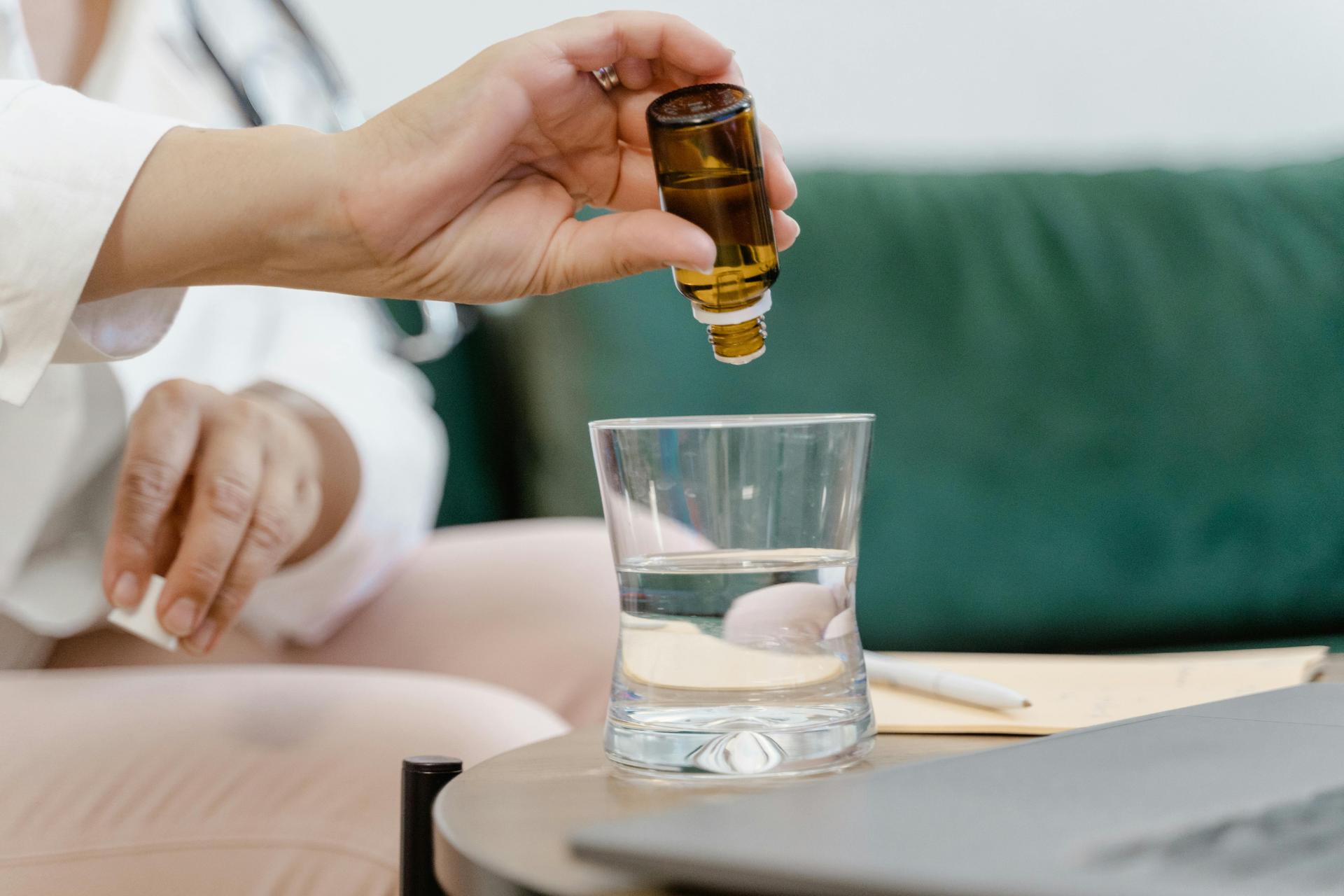
So, what does microdosing mean? At its core, microdosing is the practice of taking tiny, controlled doses of a substance.
The concept comes from people taking tiny amounts of psychedelic drugs in hopes of small boosts in mood or focus, a practice that is still being studied.
When people talk about microdosing today, it often refers to using cannabis or other substances in very small amounts.
Microdosing is not about getting “high”; people who try it want a smaller, steadier effect. You are not looking for a big transformation, but rather, a small, consistent change in how you feel.
How Does Microdosing Cannabis Work?
Microdosing cannabis is taking such a small amount of THC, or CBD for that matter, to very subtly turn on your endocannabinoid system.
The endocannabinoid system regulates mood, pain, sleep, appetite and other functions of the body. Low doses may cause fewer side effects, but benefits of low doses for specific conditions are not established.
Some researchers suggest the placebo effect explains part of what people report. Your belief that low doses will help could matter.
But then there is the anecdotal evidence of people claiming that consistent low doses have helped reduce their stress, pain, or increase their focus.
Microdosing is an effort to avoid the strong high and side effects that larger amounts of smoked or eaten cannabis can cause. The aim is fewer side effects, not a stronger effect.
What Are the Benefits of Microdosing?
None of the benefits people report has been proven in trials of microdosing. The research is limited, and these are the benefits people report, with what studies show:
- Better Focus and Clarity: There is no evidence that microdoses improve concentration, and THC can impair attention and memory.
- Mood Support: In a 2017 lab study of 42 adults, a low THC dose eased stress during a public speaking task, while a higher dose worsened mood.
- Pain Relief: NIH reports modest benefits of cannabinoids for chronic pain overall; low-dose regimens have not been studied enough to say more.
- Sleep Regulation: Low evening doses have not been shown to improve sleep.
These reported benefits may not occur for everyone, so talk with your physician rather than experimenting on your own.
People also try microdosing for depression and anxiety, but there is little research, and CDC links cannabis use with depression and anxiety.
No research shows how long microdosing takes to work or whether it has long-term benefits.

Is There a Safe Microdose?
No safe or effective microdose of THC has been established, so decisions about any THC amount belong with your physician.
People react to THC very differently, so the same amount can feel mild to one person and strong to another.
Here are some handy tips:
- Keep a journal: Note what you take, when, and how you feel, and share it with your physician.
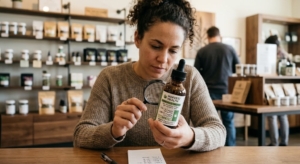
- Use labeled products: A stated amount per serving makes it easier to tell your physician exactly what you used.
- Be consistent: Follow your physician’s instructions rather than changing amounts on your own.
- Watch for side effects: If you notice anxiety, grogginess or brain fog, tell your physician, and do not drive.
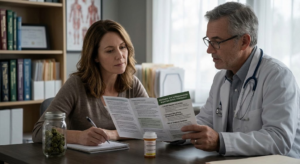
If you are considering microdosing, you should always consult medical marijuana doctors in Florida to help guide you, depending on your medical history and the laws in your state.

Microdosing THC vs. CBD
When people consider cannabis, they often think about THC, the psychoactive component that creates a “high.” However, some people microdose CBD instead.
- Microdosing THC: Very small amounts of THC are promoted for mood, sleep and mild discomfort, but these uses are untested.
- Microdosing CBD: CBD will not produce a high. Evidence for anxiety or stress is small, and the FDA warns CBD can cause liver injury.
- Microdosing Balance: Some people combine THC and CBD, though a 2023 trial found CBD did not reduce THC’s acute effects.
Deciding which to use is a conversation for you and your physician.
Consult a qualified medical doctor before using THC or CBD, especially if you take other medicines.
Is Microdosing Cannabis Right For You?
Microdosing is not suitable for everyone. Some people notice little from a small amount; others feel a much stronger effect. Here are some questions to consider first:
- Are you looking for subtle changes rather than strong effects?
- Do you understand that effects on stress, pain, or focus are unproven, and that even small amounts of THC can impair you?
- Are you willing to keep a record of how you feel and review it with your physician?
Keep in mind, products like LSD or Psilocybin are not the same as microdosing cannabis.
The goals may overlap, but the drugs act in different ways and carry different risks.
If you’re unsure, contact us with your questions. A medical professional can review your health history and other medicines before you use any cannabis product.
Balanced Way to Use
Microdosing aims to avoid the high that comes with larger amounts of THC, though its benefits are unproven.
Lower amounts may mean fewer side effects, but improved focus, mood or pain control has not been shown.
If you’re interested, talk with a physician first and keep a record of how you feel.
Responses to cannabis vary widely from person to person.
With good medical advice, you can decide whether microdosing makes sense for you.