What Is Cannabis Distillate? Uses, Potency and Risks
Cannabis distillate, a highly refined cannabis extract, is everywhere, from vape pens to edibles. Distillation strips out nearly everything but the cannabinoids, mainly THC or CBD, so it has little taste or smell, and its high potency is the main risk to understand before you use it.

What Is Cannabis Distillate?
Cannabis distillate is a refined oil that contains mostly one cannabinoid, usually THC or CBD. It’s made by taking a cannabis extract and removing everything that isn’t absolutely necessary, like waxes and fats. What’s left is a thick, golden liquid with a high concentration of cannabinoids.
The distillate meaning is straightforward: a refined extract that is mostly cannabinoids. It is used in vape cartridges, infused pre-rolls and edibles because it has little taste or smell. If you’re comparing live resin vs distillate, distillate is the more refined of the two, while live resin is made to keep more of the plant’s flavor.
How Is Distillate Made?
The process starts with extracting oil from cannabis. That raw oil then goes through something called short path distillation. This method uses heat and vacuum pressure to separate the cannabinoids from everything else. It’s similar to how people purify alcohol, only here, we’re distilling THC or CBD.
The final product is highly concentrated, and NIDA says dispensary concentrates can top 40% THC. In Florida, MMTCs must test processed marijuana at a certified lab for potency and contaminants before dispensing.
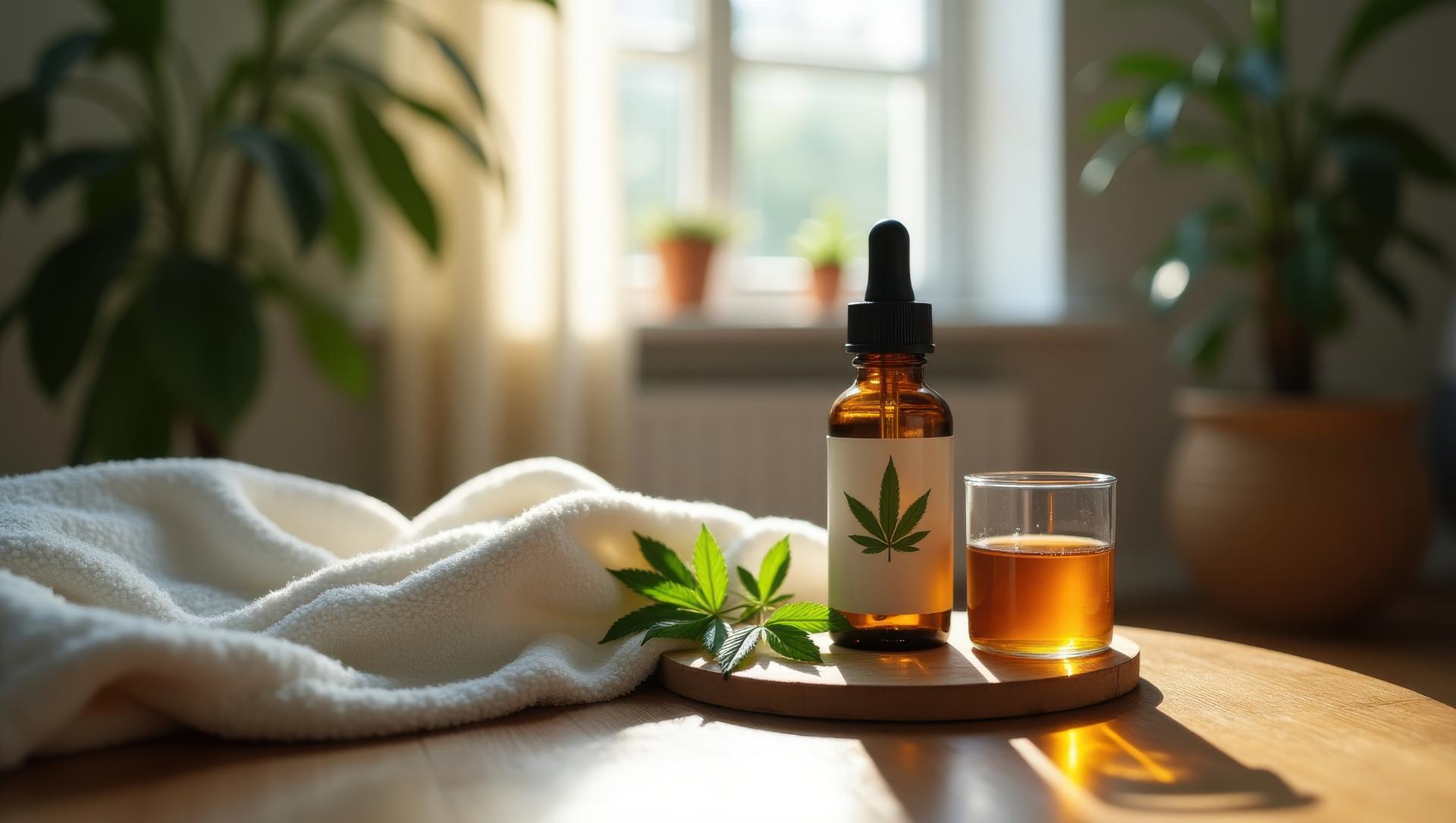
THC vs. CBD Distillate
THC is what gets you high, and it’s often found in marijuana concentrates used for recreation. CBD doesn’t make you feel high; people often try it for anxiety or pain, though NIH finds only limited evidence for either.
Distillate THC delivers strong effects, and NIDA links higher THC levels to a greater chance of cannabis use disorder. It is used in vape cartridges and dabs. CBD distillate shows up in topicals and tinctures.
How Distillate Differs From Other Extracts
Most of what sets cannabis distillate apart follows from its refining: strength first, then little flavor and a form that is already activated. It also goes into many product types, from vapes to edibles to creams.
Highly Concentrated and Potent
Distillate is very potent, so a small amount can produce strong effects, and too much THC can cause anxiety, panic and a racing heart.

Versatile Across Products
Distillate is already activated, so makers can add it to edibles and creams without heating it again. In Florida, edibles come only from MMTCs, and the marijuana a patient buys must stay in its original packaging.
Makers use it because it has little flavor, so it does not change a product’s taste, and it turns up in drinks and topical creams as well as vapes.
Odorless and Flavorless Option
Distillate has little flavor or smell, which is why it is common in vape cartridges. The FDA has warned the public about THC vaping products tied to serious lung injuries, so buy cartridges only from a licensed source.
Dosing and Consistency
Distillate goes into measured products such as cartridges and edibles, but NIH notes cannabis products can differ substantially from their labels, so treat the number on the label as an estimate.
Check the lab report for how much THC or CBD a product holds; Florida requires MMTCs to test processed marijuana before dispensing.

Popular Uses for Cannabis Distillate
Distillate turns up in three groups of products: vapes and dabs, edibles and drinks, and topicals and tinctures. Distillate shows up in products sold for both adult and medical use.
Vaping and Dabbing
Vape cartridges filled with distillate THC are highly concentrated. Dabbing vaporizes a tiny bit of distillate on a heated surface, and NIDA says it can rapidly deliver large amounts of THC, which raises the risk of side effects.
Because distillate has little flavor, some vape makers add terpenes back for taste.
Edibles and Beverages
Distillate mixes easily into food and drinks, and because it has little taste, an infused edible can look like ordinary food. Keep any edible labeled and away from children, and in Florida buy edibles only from an MMTC.
You should still be careful because it is strong. Read the label, and if you are a Florida patient, follow the amount in your physician’s certification.
Topicals and Tinctures
If you prefer not to inhale, distillate also goes into topicals and tinctures. A few drops of a distillate tincture can hold a large THC dose, and the FDA has not approved the cannabis plant for any medical use, topicals included.
Tinctures are drops you place under your tongue, and topicals are lotions or creams you apply to your skin. Check the lab report for solvents and additives, since purity depends on the maker.
If you are considering it for medical use, medical marijuana doctors in Florida decide whether distillate fits your certification and in what amount.

Is Cannabis Distillate Safe?
It depends on the source and the dose. In Florida, MMTC marijuana is lab-tested before it is dispensed, but high-THC distillate carries the risks NIDA lists for potent cannabis, including cannabis use disorder.
Because distillate is so strong and has little smell or taste, it is easy to take too much. In Florida, the right amount is the one your certifying physician entered in the registry, so stick to it. If you have questions about Florida’s program, our Florida medical marijuana laws guide covers the basics, or you can contact us.
Final Thoughts on Cannabis Distillate
Cannabis distillate is a refined, high-potency extract used in vapes, edibles and tinctures. Its strength is the main thing to respect, whether it is vaped or eaten, and medical use should follow a qualified physician’s order.
Last updated October 18, 2026 by the Dr. Green Relief Editorial Team.
Medical review
Medically reviewed by Achilles Kalnoky, M.D.
Reviewed on .
He is licensed in Florida as a medical doctor, license ME115088, which you can check on the Florida Department of Health license lookup.
His review covers the medical statements in this post and the sources cited for them.
Sources
- National Institute on Drug Abuse, Cannabis (Marijuana)
- National Center for Complementary and Integrative Health, Cannabis (Marijuana) and Cannabinoids: What You Need To Know
- Grotenhermen F. Pharmacokinetics and pharmacodynamics of cannabinoids. Clin Pharmacokinet. 2003 (PubMed)
- Florida Statutes s. 381.986 (2026), Medical use of marijuana