Vegan Edibles: A Complete Guide to Plant-Based Cannabis Treats
If you follow a vegan diet, vegan edibles let you take cannabis without animal ingredients such as gelatin, milk or butter. The effects come from the THC or CBD, not the recipe.
Vegan versions exist for chocolate, gummies and savory snacks, and in Florida every edible must come from a licensed MMTC.
What are Vegan Edibles?
Vegan cannabis edibles are an alternative type of edible product for people who follow a vegan diet by eliminating all the ingredients found in traditional edible products that use dairy products (milk), gelatin, and butter.
Edible vegan products replace the use of these types of products with other plant-based products, such as coconut oil, cocoa butter, and agar-agar.
These edibles can come in many forms: from vegan chocolate and vegan edible gummies to baked snacks and infused drinks.
The goal is edibles that fit a vegan lifestyle and work like standard edibles, which means the same delayed onset and the same risks of taking too much.

Benefits Of Choosing A Plant-Based Cannabis Product
A plant-based cannabis product can be an ethical choice, but that is not the only reason to pick one. Many also choose them to match their values and their concern for the environment. Most often, vegan cannabis products are:
- An option for people who avoid dairy, since they are made without milk or butter.
- Often chosen for environmental reasons, which is a personal preference rather than a health benefit.
- Made without animal ingredients, which matters to people with cruelty-free values.
For a vegan, the point is simply that the edible fits the diet; the THC and CBD act the same way.
Common Ingredients in Vegan Edibles
Plant-based cannabis products are created using natural, plant-based ingredients to replace the traditional ingredients found in many products. Some of the most popular plant-based ingredients include:
- Olive oil or coconut oil: These are commonly used to create the infused THC or CBD in plant-based cannabis products.
- Agar agar or Pectin: These are two of the most popular plant-based alternatives to gelatin for creating plant-based gummies and vegetarian gummies.
- Almond Milk or Oat Milk: These are popular creamy bases for plant-based chocolate and brownies.
- Maple Syrup or Agave Nectar: Both are popular natural sweeteners and are completely plant-based.
Have questions about medical cannabis in Florida? Contact us to learn more about the state program.
Popular Types of Vegan Edibles
Vegan edibles come in sweet and savory forms. Here are the common ones:
Vegan Chocolate & Brownies
Chocolate is a common edible base. In Florida, MMTC edibles may not look like candy and must come in plain, opaque packaging.
Many chocolate edibles use dark cocoa and coconut oil, which also helps carry the fat-soluble cannabinoids.
Almond flour and oat milk brownies are another vegan option; the strength still depends on how much THC each piece holds.
Gummies & Candy
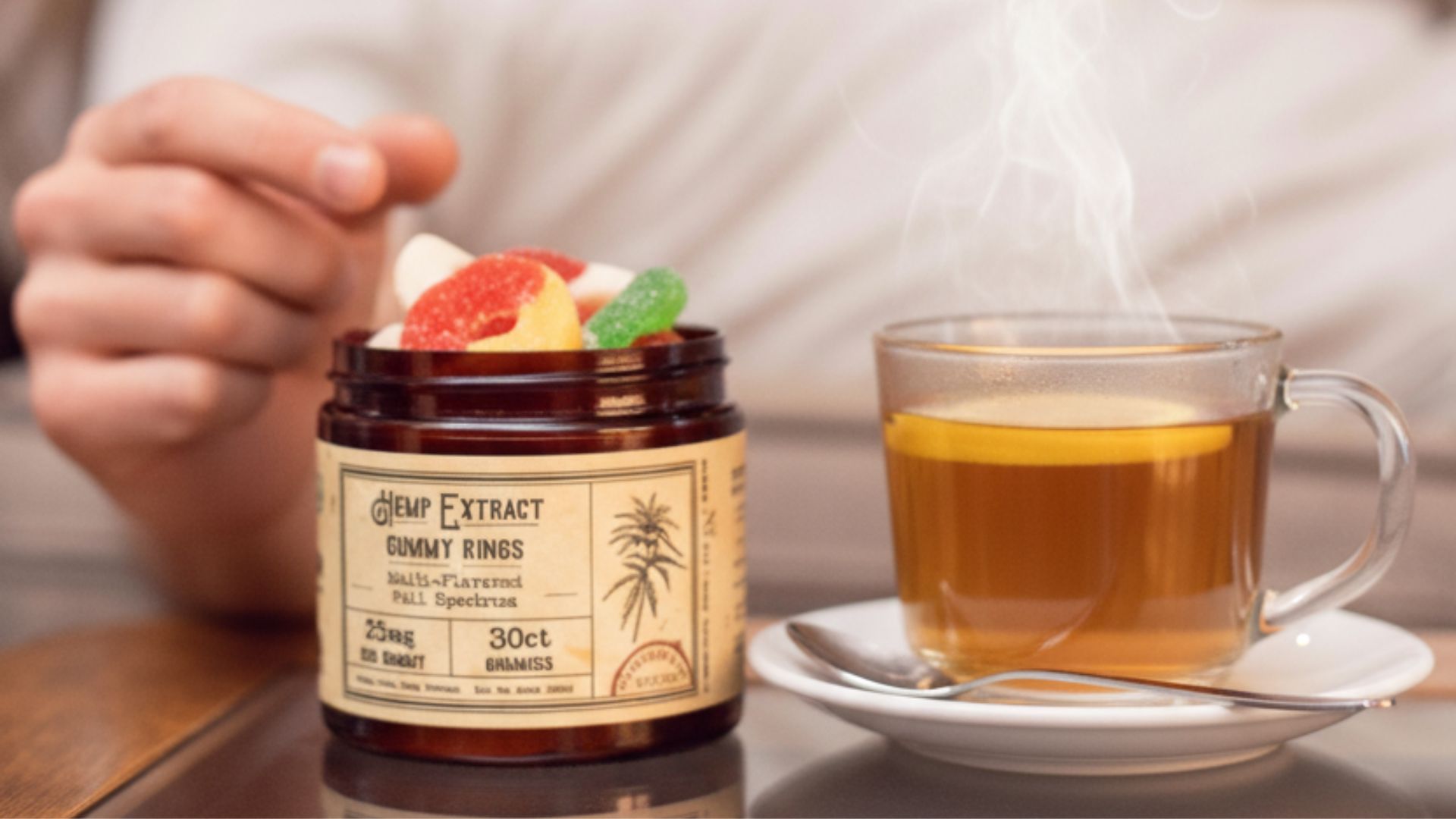
Vegan gummies set with pectin rather than gelatin and usually come in fruit flavors such as strawberry, citrus and mango.
You’ll find both vegan CBD gummies and vegan THC gummies; evidence that CBD gummies calm people is limited.
They are portable, but effects arrive late, which leads some people to take more. Florida limits MMTC edibles to 10 mg THC a serving and 200 mg a package.
Savory Snacks & Baked Goods
Not everyone wants a sweet edible. For these people, savory edibles are another option.
Savory edibles include crackers, pretzels and popcorn infused with cannabis. Because they look like ordinary snacks, keep them labeled and away from guests and children who might eat them by mistake.
How Vegan Edibles Work with the Body
Just like traditional cannabis edibles, vegan edibles work by interacting with your endocannabinoid system, which is the network that helps regulate mood, appetite, and relaxation.
When you eat an edible, THC or CBD is absorbed through digestion and processed by the liver, which is why effects start later and last longer. Vegan ingredients do not change that process.
Good to know: edibles usually take 30 to 90 minutes to start and peak after two to three hours. For Florida patients, the certifying physician sets the dose.
DIY Vegan Edible Recipes and Florida Law
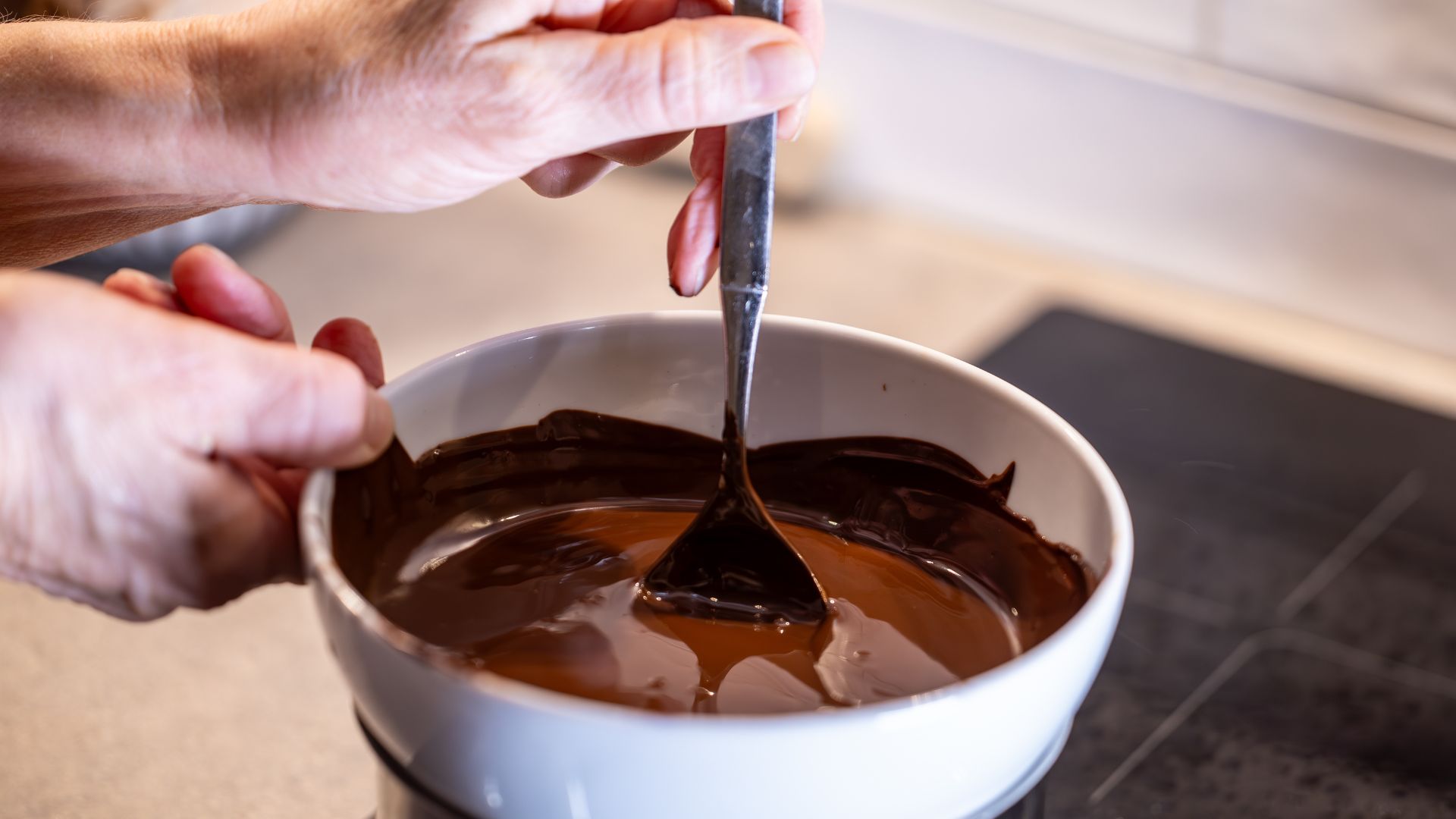
Many people look for vegan edible recipes at home. Florida law requires marijuana a patient buys to “remain in its original packaging” and defines edibles as food items an MMTC produces, and a homemade edible has no lab-tested dose. Two recipes come up often:
Vegan Cannabutter
Vegan cannabutter swaps dairy butter for coconut oil infused with cannabis, since cannabinoids dissolve in fat. A Florida patient would have to take marijuana out of its original packaging to make it, so ask your physician about MMTC oils and edibles instead.
Vegan Gummies
Vegan gummies use fruit juice and pectin instead of gelatin. Florida bars MMTC edibles that resemble candy, and homemade gummies look like candy, so keep any cannabis gummy out of reach of children.
Label any cannabis edible clearly and store it where children and pets cannot reach it.
Shopping for Vegan Cannabis Products: What to Look For
When purchasing vegan cannabis products, there are several things to look for:
- Be sure to review the ingredient list: Make sure that no gelatin, milk or honey is included.
- Lab testing: Reputable companies provide lab test results to verify potency and purity.
- Check the THC and CBD content: THC gummies are intoxicating, while CBD gummies are not, and neither is proven to relieve a medical condition.
- Sealed, airtight packaging maintains both the taste and effectiveness of your products.
If you’re unsure where to start, talk to medical marijuana doctors in Florida, who can certify the forms and amounts that fit your qualifying condition.

Are Vegan Edibles Safe?
It depends on the dose and the person. Vegan edibles carry the same risks as other edibles: delayed effects that lead people to take too much, interactions with other medicines, and accidental use by children.
Plant-based recipes avoid dairy and gelatin, but nuts, soy and coconut can cause allergies too, so read the ingredient list.
Whether you use an edible or another cannabis product, read the label for the THC per serving and keep it in its original packaging.
Delayed onset is normal with edibles, which is why NIDA warns people sometimes take more than intended. For Florida patients, the certifying physician sets how much you should take.
Enjoying a Kinder Cannabis Experience
If you are vegan and already use cannabis edibles, plant-based versions are a way to match your diet.
Vegan chocolate and fruit gummies are the most common forms, and Florida’s 10 mg per serving cap applies to MMTC edibles of every kind.
To understand how cannabis works in the body, read about the endocannabinoid system. For questions about Florida’s medical marijuana program, please feel free to contact us.