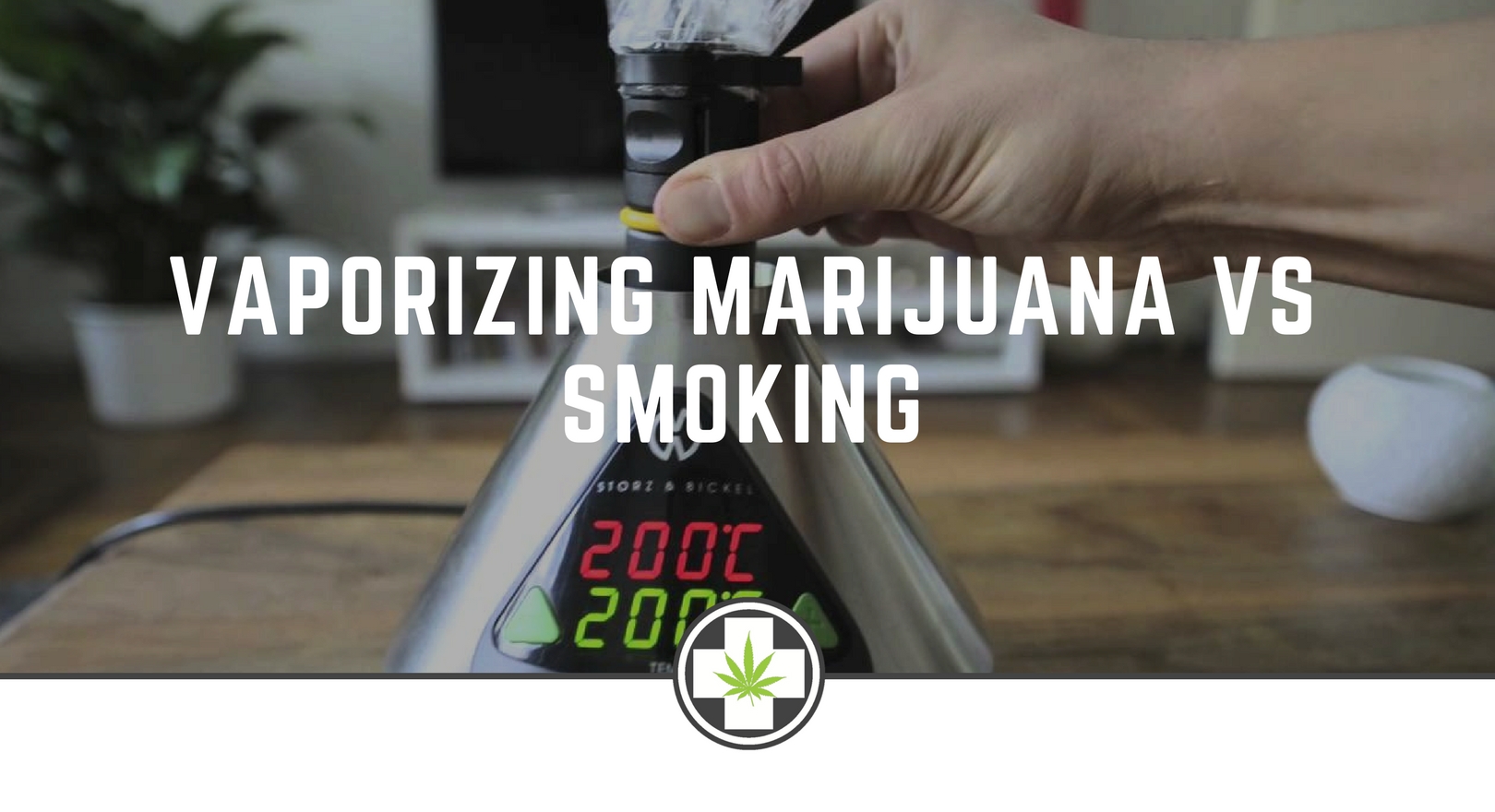
Vaporizing Marijuana vs Smoking Marijuana
Vaporizing heats marijuana without burning it. In a 2007 study of 18 adults, vaporizing left less carbon monoxide in the breath than smoking, and a 2009 lab study found a better ratio of cannabinoids to by-products in vapor at 200 to 230°C than in smoke. Our vape pen tutorial for beginners covers the parts of a pen and how to use one. Neither study measured long-term lung health, so neither shows that vaporizing is safe over time.
How Does a Vaporizer Work?
A vaporizer heats marijuana below the temperature at which it burns, so you inhale vapor instead of smoke. The 2007 study also found blood THC levels after vaporizing similar to those after smoking, so the lower carbon monoxide did not come with less THC in the blood. Lab studies of one common device used settings from 170 to 230°C (338 to 446°F). At these temperatures, the active ingredients are released as a vapor that is inhaled.
What Are the Risks of Burning Marijuana?
There is a real difference between what you inhale when you vaporize versus igniting your medical marijuana. Burning a joint produces by-products along with the cannabinoids, and the 2009 lab study compared the two in cigarette smoke and in vapor.
Burning medical marijuana has documented lung risks. NIDA reports that cannabis smoke shares many toxins and carcinogens with tobacco smoke, and that long-term smoking is tied to chronic bronchitis. Vapor avoids burning but still goes into the lungs, and the 2007 vaporizer study lasted six days, not years.
Is Vaporizing Marijuana Safer? What Lab Studies Show
The lab studies cited here measured what is in vapor and smoke, not long-term lung health. When you vaporize medical marijuana, lab tests show electric vaporizers release roughly half to four fifths of the THC and CBD in the plant.
Vaporizing marijuana is meant to heat plant matter without igniting it, though the same lab tests found a gas-powered device did burn it. When you burn marijuana, you inhale smoke, which can harm lung tissue, CDC says.
Does Vaporizer Temperature Matter?
The same 2009 lab study found 170°C (338°F) gave the worst ratio of cannabinoids to by-products, while 200 and 230°C (392 and 446°F) gave better ratios than smoke. Device settings vary, so follow the maker’s instructions.
An old myth says that holding in smoke from a joint or bong increases the effects. A 1995 study of regular users found that holding smoke for 10 to 20 seconds raised blood THC but did not increase the high, while it kept smoke in the lungs longer.
What Should You Look for in a Marijuana Vaporizer?
Look for an electric vaporizer with a set temperature. In a 2016 lab test of five devices, the temperature-controlled electric models released THC and CBD without burning the plant, while a gas-powered one burned it. Avoid devices that cannot hold a steady temperature. Prices vary by model and change often, so compare current prices before you buy. Ask your physician whether inhaling fits your health and your certification.
Last updated October 16, 2026 by the Dr. Green Relief Editorial Team.
Medical review
Medically reviewed by Achilles Kalnoky, M.D.
Reviewed on .
He is licensed in Florida as a medical doctor, license ME115088, which you can check on the Florida Department of Health license lookup.
His review covers the medical statements in this post and the sources cited for them.
Sources
- Abrams, et al. Vaporization as a smokeless cannabis delivery system: a pilot study. Clin Pharmacol Ther. 2007
- Pomahacova, et al. Cannabis smoke condensate III: the cannabinoid content of vaporised Cannabis sativa. Inhal Toxicol. 2009
- National Institute on Drug Abuse. Cannabis (Marijuana)
- Lanz, et al. Medicinal Cannabis: In Vitro Validation of Vaporizers for the Smoke-Free Inhalation of Cannabis. PLoS One. 2016
- CDC. Cannabis Health Effects
- Azorlosa, et al. Marijuana smoking: effects of varying puff volume and breathhold duration. J Pharmacol Exp Ther. 1995