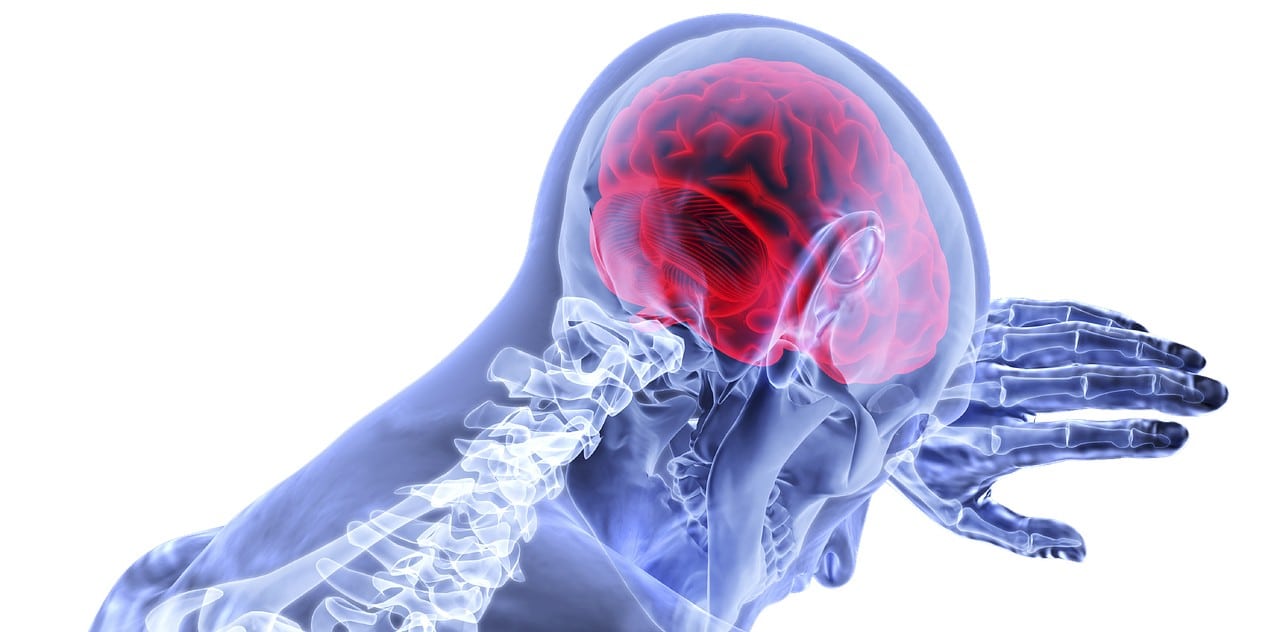
The Effects of Cannabinoids on the Endocrine System
Cannabinoids can change some hormone levels, most clearly cortisol: in pooled lab studies of 76 adults, THC raised blood cortisol in a dose-related way. That does not make cannabis a treatment for endocrine disorders, and tiredness, stress and burnout have many causes, so testing by a doctor comes first.
Constant tiredness with poor sleep is one reason people ask about their hormones. The cause may be something other than how long you sleep. Hormones affect growth, metabolism, sexual function, reproduction and mood, and levels that are too high or too low can mean a hormone disorder, MedlinePlus explains. What can you do about these problems? Thyroid and other hormone disorders need lab testing to diagnose, so that is the first step. The sections below cover what studies show for cortisol, thyroid and sleep hormones. Our post on medical marijuana and women’s health covers topics such as period pain and menopause.
A structure of connected glands, the endocrine system affects every cell and organ in the body. These glands secrete hormones that help cells communicate with each other by their molecules attaching to receptors. Throughout our bodies, there are many receptors. They relay information about what’s going on inside and outside of our bodies. Other cells respond to those signals and make changes that keep the body in balance, a state called homeostasis. If something is not right with that communication, it creates an imbalance. The imbalance is what can cause diseases and disorders.
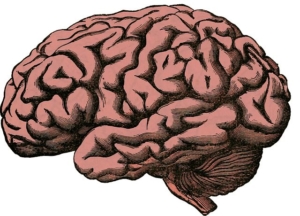
Another network that works with the endocrine glands is the endogenous cannabinoid system. Usually called the endocannabinoid system, it makes chemicals similar to some of those found in the marijuana plant. Compounds that are created by the endocannabinoid system bind to what are called CB1 and CB2 receptors. THC from marijuana acts on the same CB1 and CB2 receptors. The endocannabinoid system appears to play a role in pain, movement, appetite, mood, bone growth, inflammation and memory, NCI notes. The system can also affect the nervous system and the skin, where a 2014 lab study notes it helps regulate skin cell growth. Whether marijuana can ease symptoms of endocrine disorders has not been shown in clinical trials, so it should not replace treatment from an endocrinologist.
Which Glands Make Up the Endocrine System?
The endocrine system is built around several primary glands. These include the pituitary, thyroid, parathyroid, pineal, adrenal, pancreas, ovaries, and testicles. Hormones also affect sexual function, and our post on marijuana as an aphrodisiac looks at what studies say about sex drive. Claims that cannabis relieves thyroid or pineal gland problems are not backed by clinical trials.
Pituitary Gland
The pituitary gland is considered the master gland. It works in conjunction with the hypothalamus, which is part of the brain. The hypothalamus decides which hormones the pituitary gland should release. It does this by sending hormonal or electrical messages. Hormonal messages make the pituitary release one of several hormones including growth hormone (GH), thyroid-stimulating hormone (TSH), follicle-stimulating hormone (FSH), luteinizing hormone (LH) and prolactin. The pituitary gland also releases ADH (antidiuretic hormone) and oxytocin, MedlinePlus notes.
Thyroid Gland
The thyroid is a butterfly-shaped gland at the front of the neck, below the Adam’s apple. It has two side lobes joined by a narrow band called the isthmus. The thyroid gland has several vital functions. It makes hormones that control the way your body uses energy, and these hormones affect nearly every organ. That is why thyroid problems can show up in so many parts of the body.
Symptoms of an underactive thyroid can include tiredness, dry skin, dry or thinning hair and depression, MedlinePlus notes. Thyroid conditions include goiter, hyperthyroidism, Graves’ disease and thyroid cancer. They are treated with medicines and other care your doctor prescribes; CBD has not been shown to help with any of them.
The claim that CBD and thyroid hormones act alike on CB1 and CB2 receptors is not supported by published research. CBD is a non-intoxicating compound in the cannabis plant, and NIH notes that its approved use, as the drug Epidiolex, is for seizures in certain rare epilepsies. The same NIH summary finds only a small amount of evidence that cannabinoids might reduce anxiety, and CBD has not been tested for thyroid symptoms. NIH also links CBD use to liver injury and to interactions with other drugs, which matters if you take thyroid medicine. For skin changes linked to thyroid disease, start with your doctor.
Marijuana and the Pineal Gland
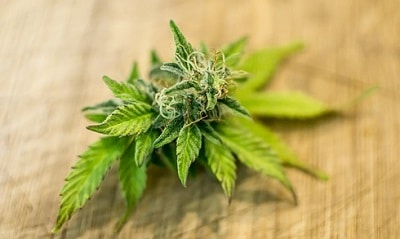 The pineal gland is a small gland in the brain. It produces the hormone melatonin, which your brain makes in response to darkness. Melatonin plays a part in the timing of your 24-hour internal clock and in sleep, NIH notes, but whether CBD or THC changes melatonin in people is not established.
Strains of the cannabis plant have different levels of THC, the compound that causes a high. THC can affect sleep patterns and can cause sleepiness, but NIH says the effects of cannabinoids on sleep problems in people without other illnesses are uncertain, and that better sleep seen in people with other illnesses may have come from easing their symptoms, so treat claims about sleep disorders with caution. Ongoing sleep problems should be checked by a doctor.
Adrenal Glands
There are two adrenal glands, one located on top of each kidney. They produce essential hormones that make it possible for us to function in our everyday lives. Cortisol is one of them. One of its main functions is to help us to respond to stress. Adrenal fatigue is not a recognized medical diagnosis: a 2016 systematic review of 58 studies found no proof that it is a real condition. Tiredness, pain, irritability and sleep or digestive problems have many causes and deserve a proper check. Medicines and drugs, including marijuana, can affect adrenal hormones.
What Do Studies Show About Marijuana and Cortisol?
Studies of marijuana and the adrenal glands focus on cortisol: in pooled lab data from 36 healthy adults and 40 frequent users, THC raised cortisol in a dose-related way, with smaller rises in frequent users. CBD has not been tested as a treatment for adrenal problems.
If you have an endocrine problem, see your doctor or an endocrinologist for testing first, since cannabis is not a proven treatment for hormone disorders. If you also use medical marijuana, tell every doctor you see, because NIH links CBD to interactions with other drugs and THC can raise cortisol.
If you live in Florida, the physician at our Sarasota office, or at one of our other Florida offices, can tell you whether your condition is one Florida law lists and explain the state’s rules.
Last updated October 17, 2026 by the Dr. Green Relief Editorial Team.
Medical review
Medically reviewed by Achilles Kalnoky, M.D.
Reviewed on .
He is licensed in Florida as a medical doctor, license ME115088, which you can check on the Florida Department of Health license lookup.
His review covers the medical statements in this post and the sources cited for them.
Sources
- Ranganathan, et al. The effects of cannabinoids on serum cortisol and prolactin in humans. Psychopharmacology (Berl). 2009
- MedlinePlus. Hypothalamus
- MedlinePlus. Follicle-Stimulating Hormone (FSH) Levels Test
- National Cancer Institute. Thyroid Cancer
- NCCIH (NIH). Cannabis (Marijuana) and Cannabinoids: What You Need To Know
- NCCIH (NIH). Melatonin: What You Need To Know
- Cadegiani, et al. Adrenal fatigue does not exist: a systematic review. BMC Endocr Disord. 2016
- National Cancer Institute. Cannabis and Cannabinoids (PDQ), Health Professional Version
- Oláh, et al. Cannabidiol exerts sebostatic and antiinflammatory effects on human sebocytes. J Clin Invest. 2014
- MedlinePlus. Endocrine Diseases
- MedlinePlus. Hypothyroidism
- MedlinePlus. Hypopituitarism