How to Use Topical Medical Marijuana
When people think of medical marijuana, they usually think of smoking medical marijuana. Did you know that topical medical marijuana is a separate option, applied to the skin instead of inhaled, though research on how well it eases pain is limited?
To use one, rub the cream, balm or lotion into the skin over the sore area; below we cover what topicals are and what research does and does not show. Topicals still carry unknowns: FDA lists how much of a cannabinoid the body absorbs through the skin as an open question.
What are Cannabis Topicals?
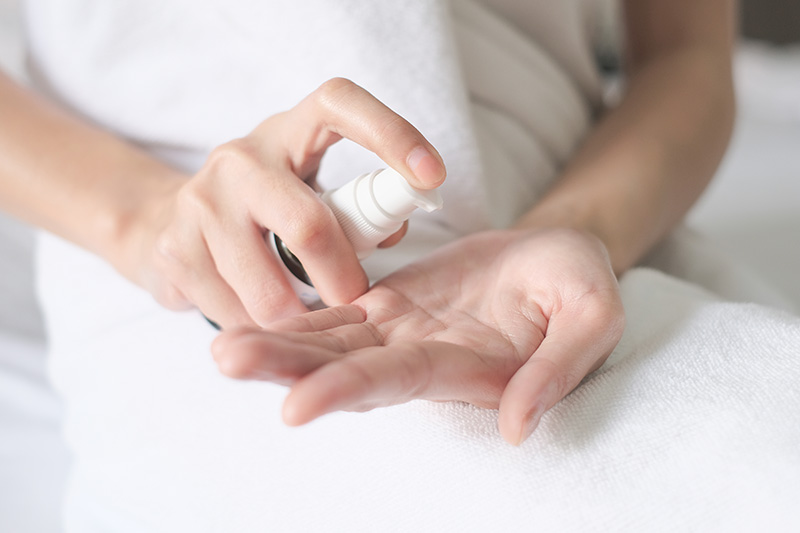
Medical marijuana lotion or salve can be used on the skin. Cannabis topicals are products that are made using cannabis and designed to be rubbed into the skin. Think of it as a medical marijuana cream or medical marijuana salve which is rubbed directly onto the skin instead of being inhaled.
Cannabis topicals are designed to act where they are applied and are not known for causing a high, though how much reaches the blood has not been well studied. People mainly use them for local aches and skin complaints.
Do They Have Medical Use?
Possibly, but the evidence is thin. A review of topical cannabinoids in dermatology found that their use has far outpaced research into whether they are safe and effective, and no cannabis topical is FDA-approved.
People apply medical marijuana lotion to sore joints and tense muscles, hoping for relief in that one area. NIH’s summary of a small benefit for chronic pain comes from studies of cannabis or cannabinoids, not from trials of topicals.
What are the Claimed Benefits of MMJ Topicals Over Other Methods of Use?
People choose MMJ topicals because they act on the skin rather than through the whole body. Pain relievers taken often can have side effects, but topicals have not been studied enough to call them a safer substitute, and any anti-inflammatory or antibacterial effect in people is unproven.
Medical marijuana ointments and creams are not known for causing a high, but they are not proven treatments for pain, infection or inflammation.
What Conditions are MMJ Topicals Used for and Where to Use Them?
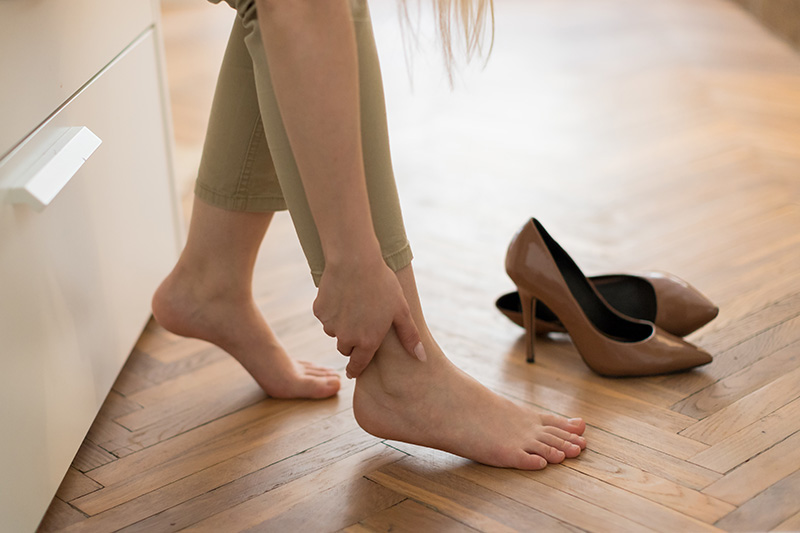
Topical use should target the area where you are experiencing the pain. People apply medical marijuana lotion or ointment right on the sore spot, though how well it relieves pain there has not been well studied.
You don’t have to use these lotions and salves just to target specific pains. If you just want to use a cannabis topical to relax, people rub it into many of the same places they would use any massage lotion, though research has not shown how much of the soothing feeling comes from the cannabis itself. Try applying to your joints, temples, shoulders, the bottoms, and backs of your feet and your neck. These are places people commonly rub in cannabinoids for comfort, much like a massage lotion.
Topical medical marijuana has been used for a variety of different conditions, mostly on the strength of personal reports. Researchers are still testing whether it helps any of them.
Conditions people report using topicals for include:
- Stings and bites.
- Dry skin and skin conditions such as psoriasis and eczema, as well as rashes and other skin swellings.
- Sunburn.
- Headaches and migraines.
- Rheumatism.
- Swelling after an injury, such as a sprained ankle.
- Stiffness of joints such as a stiff neck.
- Tendonitis.
- General muscular soreness.
These uses rest on personal reports rather than trials, so talk with a doctor before relying on a topical for a medical problem.
Can I Make Cannabis Topicals at Home?
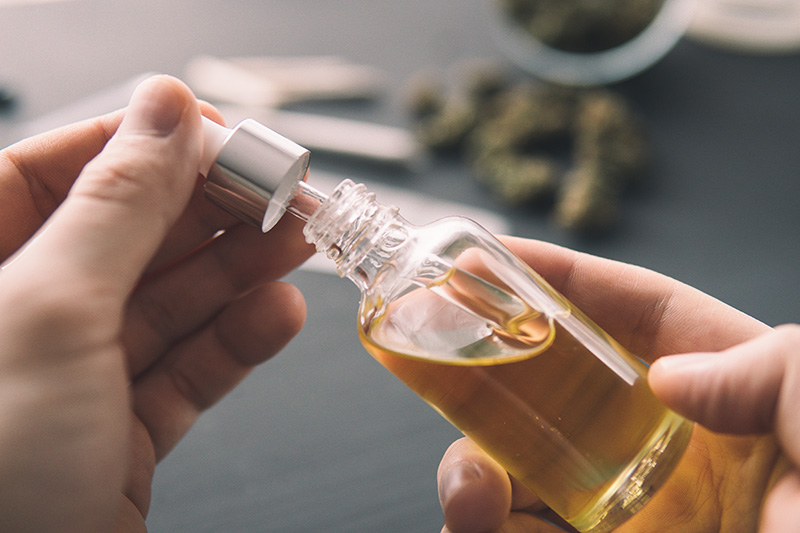
In Florida, qualified patients buy marijuana topicals from licensed treatment centers, and state law requires purchased marijuana to stay in its original packaging, so mixing it into homemade salves is not a use the law describes. Hemp-derived CBD oil is a separate product sold under Florida’s hemp rules.
Homemade hemp CBD salves are often made with beeswax or aloe vera gel. Homemade products have no lab test, so their CBD content is unknown.
Many people are less worried about topical treatments than they would be with smoking medical marijuana, for instance. Topicals avoid smoke, which CDC says carries many of the same toxins and carcinogens as tobacco smoke, and they are not known for causing a high.
Topicals are a low-intoxication way to use medical marijuana, but the evidence that they ease pain is still limited. If you are certified in Florida, your physician can say whether a topical belongs in your certification.