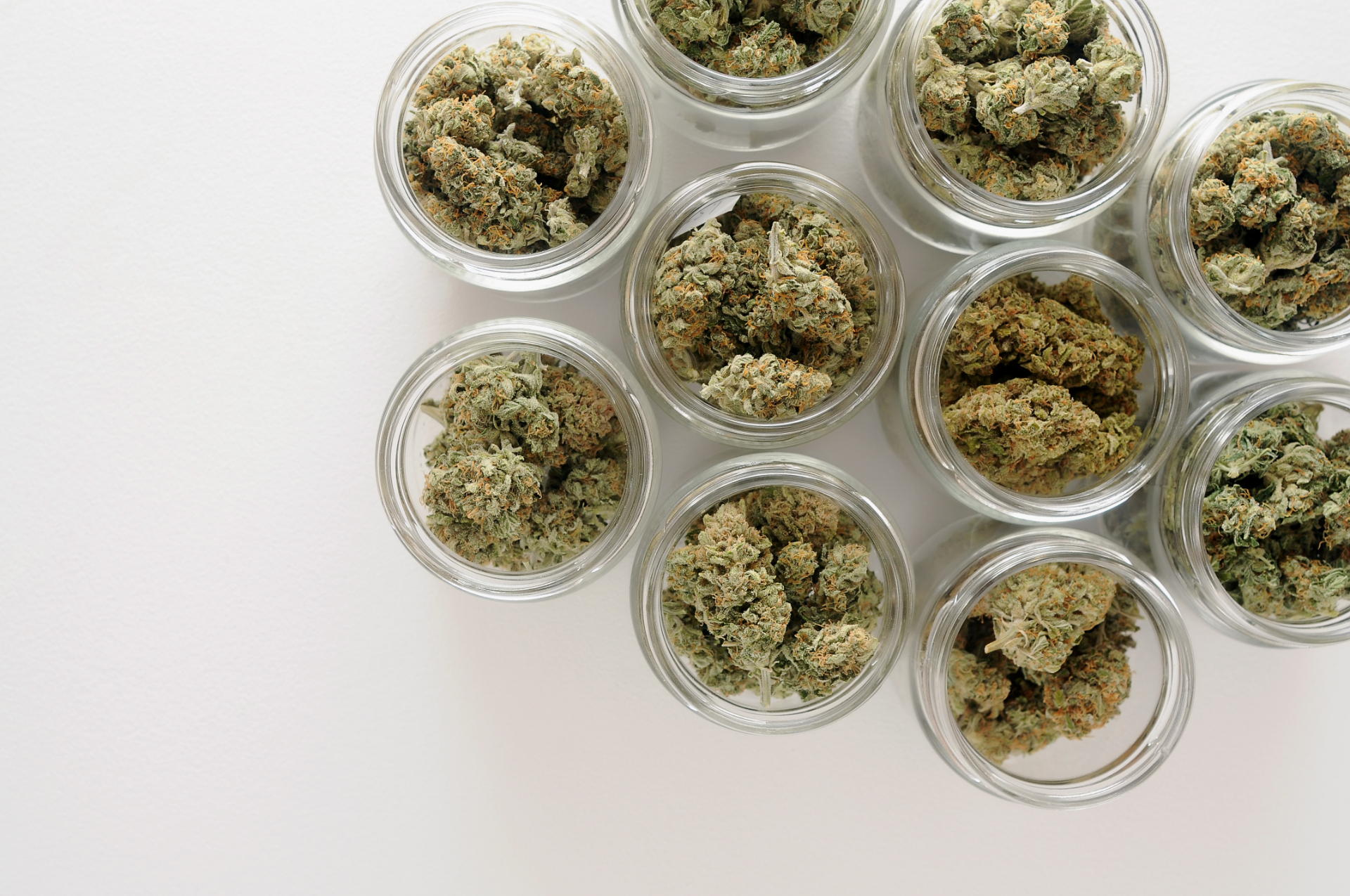
Does Marijuana Expire?
Like many plant products, marijuana loses quality over time. THC slowly breaks down into CBN, and storage at room temperature speeds that change compared with a freezer, a 2026 storage study found. Knowing the signs of age and mold helps you decide when to replace it.
What Does It Mean for Marijuana to Expire?
Does marijuana go bad like food, and what happens to it as it ages?
Marijuana doesn’t spoil like food, but it does lose potency and flavor as THC breaks down. How fast depends on light, air and temperature, as the storage studies described below found.
How Does Marijuana Change Over Time?
The freshness of marijuana depends on the conditions of storage and duration. As time passes, cannabinoids dwindle, and the natural flavors diminish. Proper storage can slow these changes.
However, light, air and heat speed up aging. Florida requires MMTC edible packaging to show an expiration date and requires purchased marijuana to stay in its original packaging, so check the label and store the package itself.
Changes in Potency and Cannabinoid Content
The potency of marijuana slowly decreases as THC breaks down into CBN. The rate depends on temperature and storage, so no single timeline applies to every product.
Good storage slows this process but cannot stop it. Airtight, opaque containers kept somewhere cool protect marijuana from light and air.
Physical Changes
As marijuana ages, noticeable changes in color, texture, and smell indicate its declining quality. Recognizing these signs helps you decide whether it is still worth using or should be thrown out.
- Color: Fresh marijuana is green, but it may turn brown as it ages, and that change in color is one of the first visible signs of age.
- Texture: Aging marijuana becomes brittle and dry, making it more likely to crumble and feel harsh.
- Smell: Old marijuana smells stale; a musty or moldy smell can mean mold, which is a reason to throw it out.
Storing marijuana in a cool, dry, and dark place helps keep these qualities intact for longer.
Factors Affecting Marijuana Shelf Life
The shelf life of marijuana depends on three things: storage conditions, packaging, and what the product is, since CBD-dominant and THC-rich products age differently. Each is covered below.
Storage Conditions
Heat, light and air all speed the loss of THC, and damp storage invites mold. A 1976 storage study found light was the largest single cause of cannabinoid loss and that air also caused significant losses. Moisture is the mold risk: if kept damp, marijuana may develop white fuzz, a sign of mold contamination.
Temperature up to 20°C (68°F) made no significant difference in that study, but the 2026 storage study found THC kept better in a freezer than at room temperature.
Importance of Proper Storage
In a Florida home, cool, dark and dry usually means a closed cupboard or closet shelf away from the stove, the bathroom and sunny windows, with the product still in its original dispensary package, which Florida law requires.
- Temperature: the spot is the coolest one you have, away from the oven and other appliances that give off heat.
- Humidity: the spot is away from the shower, the sink and anything damp, since humid storage raises the mold risk.
- Light: the package sits behind a closed door, not on a windowsill or an open counter.
Humidity drives mold and warmth drives THC loss, so a sealed package in a cool cupboard deals with both.
Packaging
Proper packaging helps preserve marijuana’s potency and freshness. Without protection, exposure to air, light, and moisture speeds up degradation. The two features that matter most are an airtight seal and protection from light.
Role of Airtight and UV-Resistant Containers
A sealed, opaque container limits exposure to elements that break down cannabinoids and terpenes. Where repackaging is allowed, airtight and UV-resistant containers help maintain quality.
Airtight containers prevent oxygen exposure, slowing cannabinoid breakdown. UV-resistant containers shield marijuana from light, preserving potency. In Florida, that means keeping the original dispensary container tightly closed.
Impact of Different Packaging Materials on Marijuana Preservation
Packaging materials differ in how well they keep out air, light and heat. Where state rules allow repackaging, that difference matters.
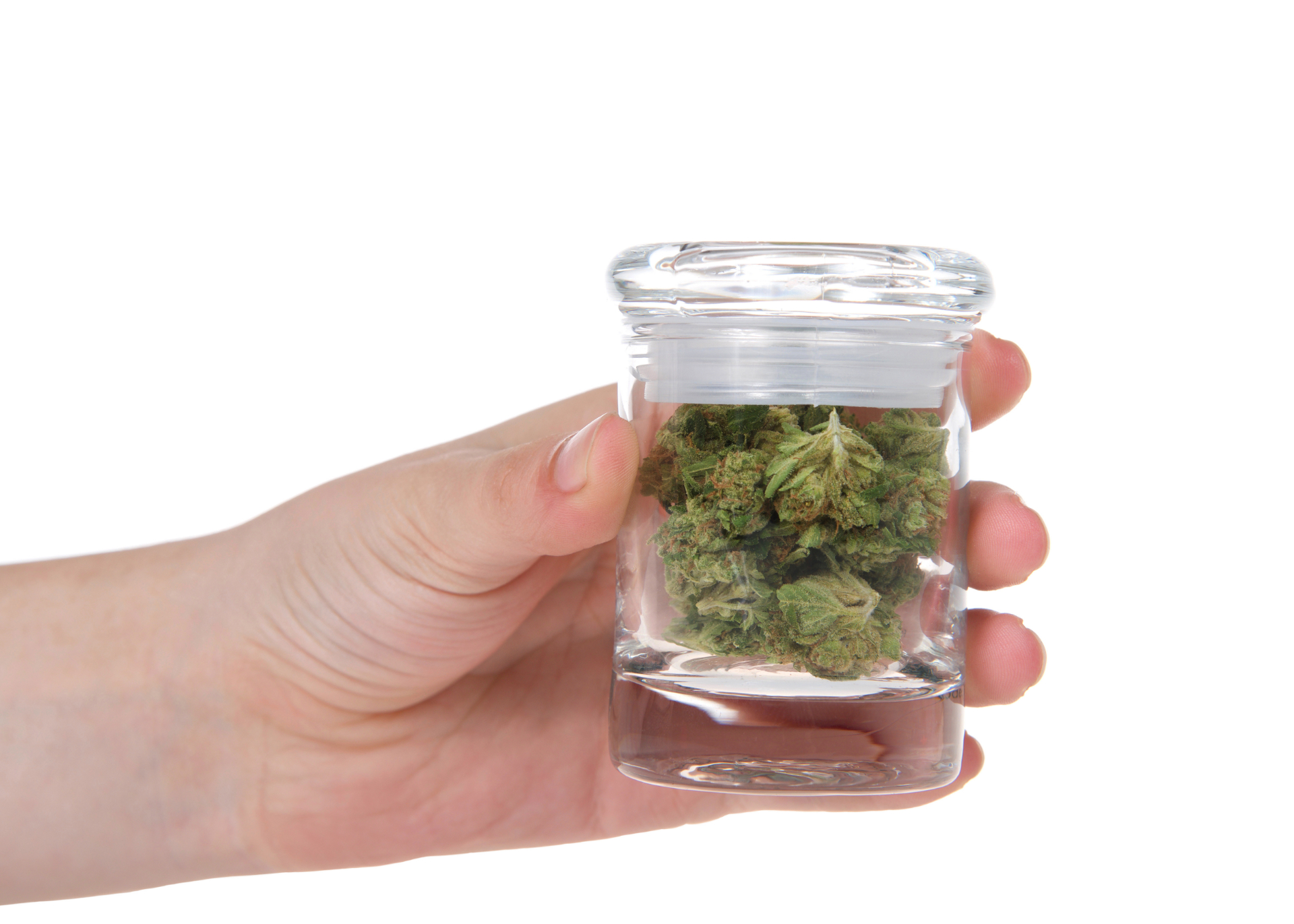
- Glass jars: airtight and easy to keep dark, though the jar alone does not keep the contents cool.
- Plastic bags: allow air exchange, leading to faster degradation.
- Vacuum-sealed bags: reduce oxygen exposure but may crush delicate buds.
- Metal containers: durable but can retain heat if not stored properly.
Whichever material you use, its job is to keep out light and air, the two factors that caused significant cannabinoid loss in the 1976 study.
Strain and Preparation
Shelf life depends on what the product contains. In a 2026 study, CBD-dominant products stayed stable at room temperature, while THC-rich products lost potency unless kept cold.
Signs of Expired Marijuana
Two checks tell you whether marijuana is past its prime: how it looks and how it smells.
Visual Indicators
Marijuana with white fuzz on the buds likely has mold, and moldy cannabis should not be used. When cannabis flower turns brown or dull, it is past its prime.
Changes in Smell and Taste
Fresh cannabis has an earthy smell. A musty smell or bitter taste is a sign of age or mold, and moldy cannabis should be thrown out.
Risks of Using Expired Marijuana
Old marijuana raises two separate issues: weaker effects as THC breaks down, and mold if it was stored damp. Each is covered below, starting with the health risks of mold.
Health Risks
Moldy marijuana is a health risk. White fuzz can be a sign of mold, and molds found on cannabis, such as Aspergillus, can cause infections in people with weakened immune systems.
Mold exposure can also trigger allergic reactions, so discard cannabis that smells musty or looks discolored, and ask a medical marijuana doctor if you have symptoms after using it.
Reduced Potency and Effects
As cannabis ages, THC degrades into CBN, so less THC remains in the product. The 2026 storage study found that a freezer at -20°C (-4°F) preserved the cannabinoids. Proper storage slows the process.
Checking for these signs, and storing cannabis cold and dry, keeps you from using a product that has lost potency or grown mold.
Extending the Shelf Life of Marijuana
How can you slow the loss of potency and flavor?
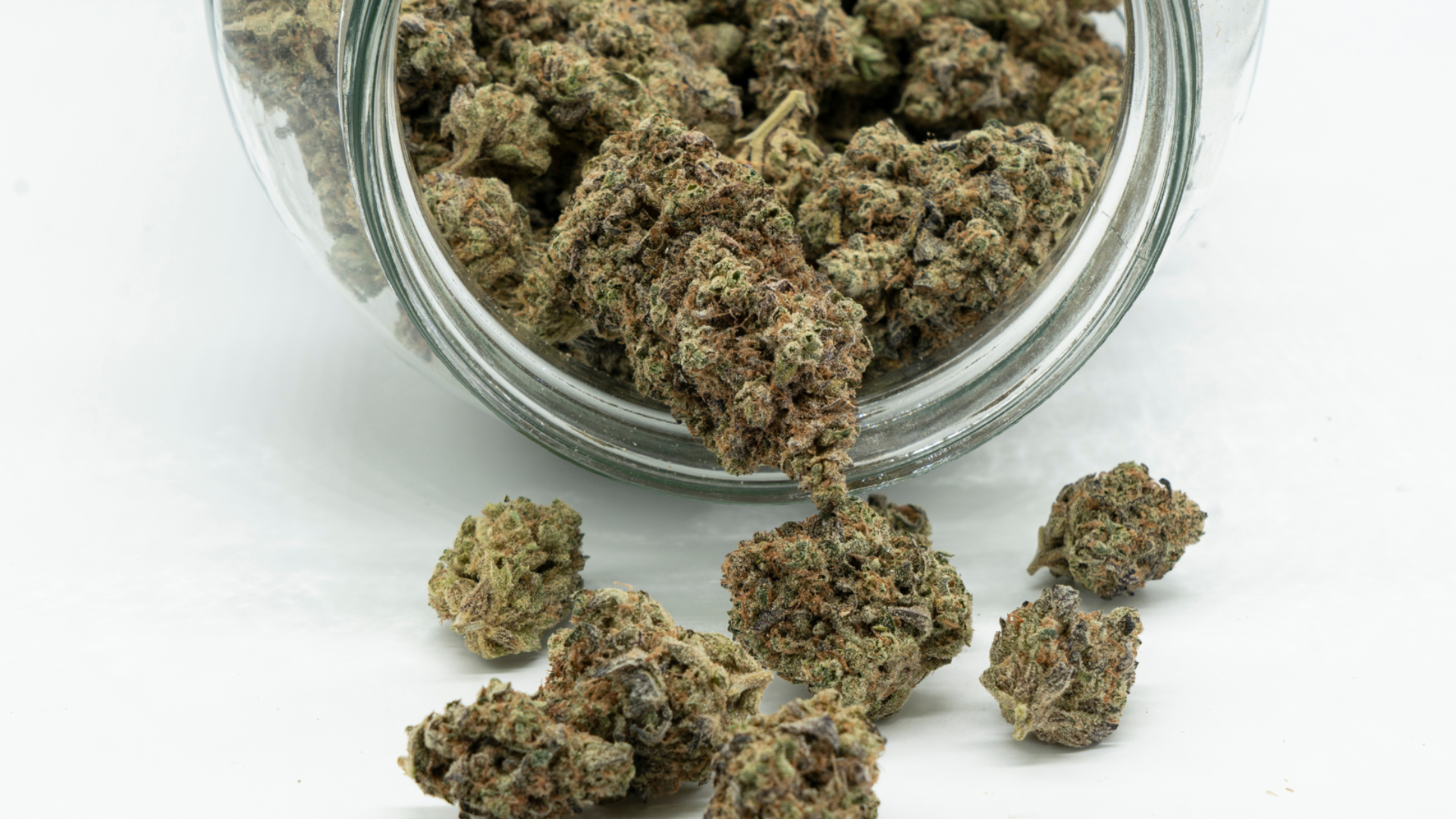
By keeping cannabis sealed in its original package in a cool, dry, and dark environment, you can slow the loss of THC and flavor.
Optimal Storage Techniques
Three habits keep it in good shape:
- Leave the product in its original dispensary package, as Florida law requires, and reseal it fully.
- Put the package in the cool, dark, dry spot described above, not on a counter or windowsill.
- Check it for white fuzz or a musty smell before each use, and throw it out if you find either.
Other Ways to Slow Aging
These steps may also slow the loss of quality:
- Freezing cannabis can slow degradation, but improper storage may damage trichomes and affect overall quality.
- Humidity control packs sold for food and herbs can help keep moisture steady in a sealed container.
- Keeping the original package in a closed drawer or box adds protection against light, preserving cannabinoids longer.
Good storage slows the loss of THC, but no fixed shelf life applies to every product. For questions about medical marijuana in Florida, feel free to contact us or ask a medical marijuana doctor.
Last updated October 16, 2026 by the Dr. Green Relief Editorial Team.
Medical review
Medically reviewed by Achilles Kalnoky, M.D.
Reviewed on .
He is licensed in Florida as a medical doctor, license ME115088, which you can check on the Florida Department of Health license lookup.
His review covers the medical statements in this post and the sources cited for them.
Sources
- Majumdar CG, et al. Stability of Cannabinoids in Cannabis: Plant Material, Extracts, Oil Formulations, and Isolates (CBD and Delta-9-THC) Under Different Storage Conditions. Cannabis Cannabinoid Res. 2026 (PubMed)
- Fairbairn JW, et al. The stability of cannabis and its preparations on storage. J Pharm Pharmacol. 1976 (PubMed)
- Gwinn KD, et al. Fungal and mycotoxin contaminants in cannabis and hemp flowers. Front Microbiol. 2023 (PubMed)
- Florida Statutes, s. 381.986 (2026), Medical use of marijuana (Florida Senate)