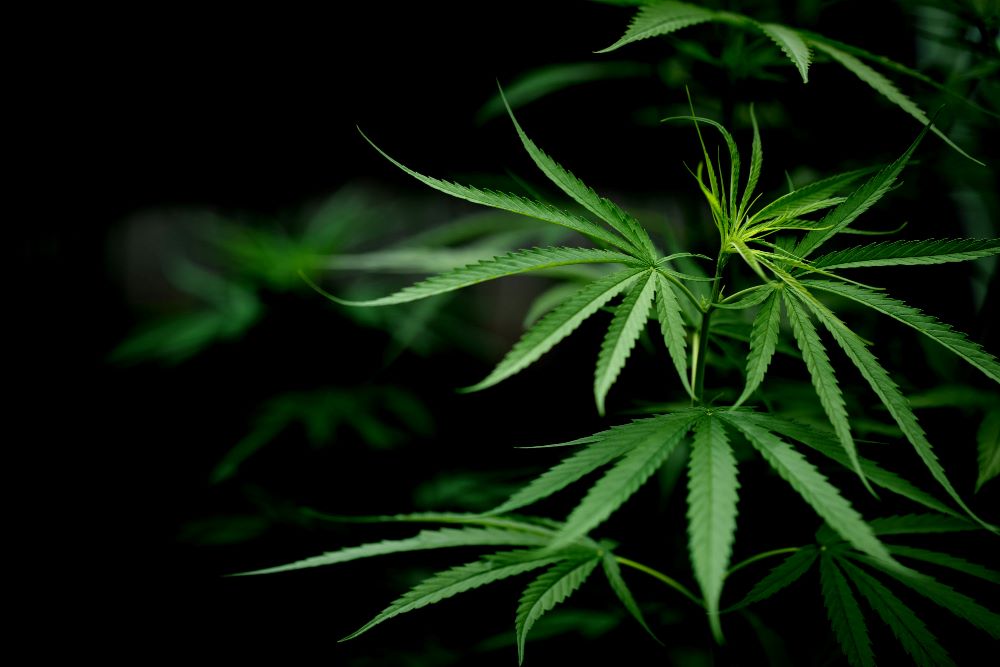
What is Caryophyllene Terpene? Everything You Need to Know
Caryophyllene, or beta-caryophyllene, is the terpene behind the peppery smell of black pepper, cloves and many cannabis varieties. A 2008 study found it binds the CB2 cannabinoid receptor and, taken by mouth, reduced inflammation in mice, and its authors call it a dietary cannabinoid. Its effects on inflammation have been shown in mice, not people.
Below: where caryophyllene is found, its forms, what lab and mouse studies show, and which strains are often listed as rich in it.
What is Caryophyllene?
Caryophyllene terpene is exactly what the name says: a terpene, a compound plants make that shapes their fragrance and taste. Freshly ground black pepper gets much of its woody, peppery smell from it.
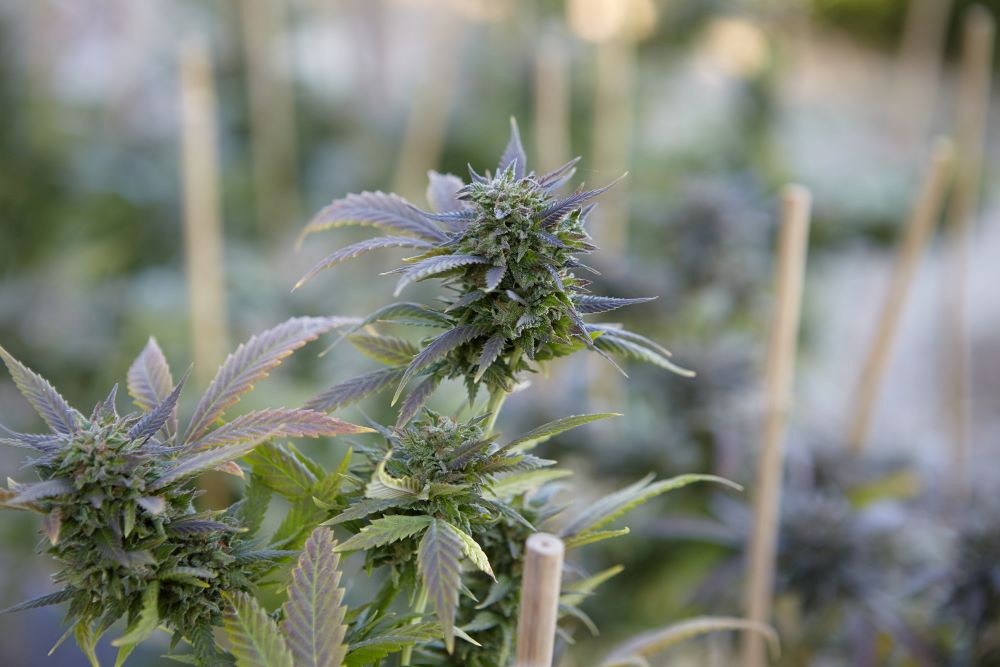
Types of Caryophyllene
You may see three names for caryophyllene on labels and in studies, and two of them mean the same compound:
-
Beta-Caryophyllene
This is the main form, found in black pepper, cloves and many cannabis varieties. It is responsible for providing certain buds with a distinct earthy and peppery flavor.
-
Caryophyllene Oxide
Consider this a close relative of beta-caryophyllene. While it may be less common, it still contributes to providing specific plants with their distinctive fragrance.
-
Trans Caryophyllene
Trans-caryophyllene is another name for beta-caryophyllene, written (E)-beta-caryophyllene in research papers. Because the two names describe one compound, there is no difference in taste or aroma.
What Is Caryophyllene Used For?
Caryophyllene is more than a fragrance; researchers also study what it does in the body. Most of the research interest comes from its action on the CB2 receptor.
In lab and animal research, caryophyllene has been studied for its potential to reduce inflammation and pain. It is also used as a flavor and fragrance in foods and cosmetics.
Its effect on muscle discomfort or skin in people has not been tested.
What Does Research Show About Caryophyllene?
What has research found so far? In a 2008 study, it bound to the CB2 cannabinoid receptor and, taken by mouth, reduced inflammation in mice, but not in mice bred without CB2 receptors. It has not been tested for arthritis or chronic inflammatory disease in people, and claims about boosting the immune system are unproven.
There is also a mood finding. In a 2014 mouse study, beta-caryophyllene reduced anxiety and depression-like behavior, an effect that disappeared when CB2 receptors were blocked; it has not been tested in people with anxiety or depression. Because it is in common spices such as black pepper, people already eat it with their food.
What Does Caryophyllene Feel Like?
Caryophyllene is described in research as non-psychoactive, and there are no human studies of how it feels. If you use medical marijuana, a medical marijuana doctor can talk through the products Florida allows.
What Does Caryophyllene Smell Like?
Its smell is sharp, spicy and slightly woody. It is the same note you smell in freshly cracked black pepper and in many cannabis varieties.
What Does Caryophyllene Taste Like?
In terms of flavor, caryophyllene is sharp rather than sweet. It combines spicy and earthy notes, the same peppery bite you taste in black pepper and cloves.
What Makes Caryophyllene a Unique Terpene?
Caryophyllene differs from most cannabis terpenes in two ways. First, it contains a cyclobutane ring, which is uncommon among terpenes. Second, as the 2008 study above found, it binds selectively to CB2 receptors, part of the endocannabinoid system, which is unusual for a terpene; a 2026 cell study suggests some other terpenes can also activate cannabinoid receptors.
Because CB2 receptors are found mainly on immune cells, caryophyllene has become a research target for inflammation and pain without a high. In mice, it reduced alcohol drinking in one 2014 study, but neither that nor the mood finding has been shown in people.
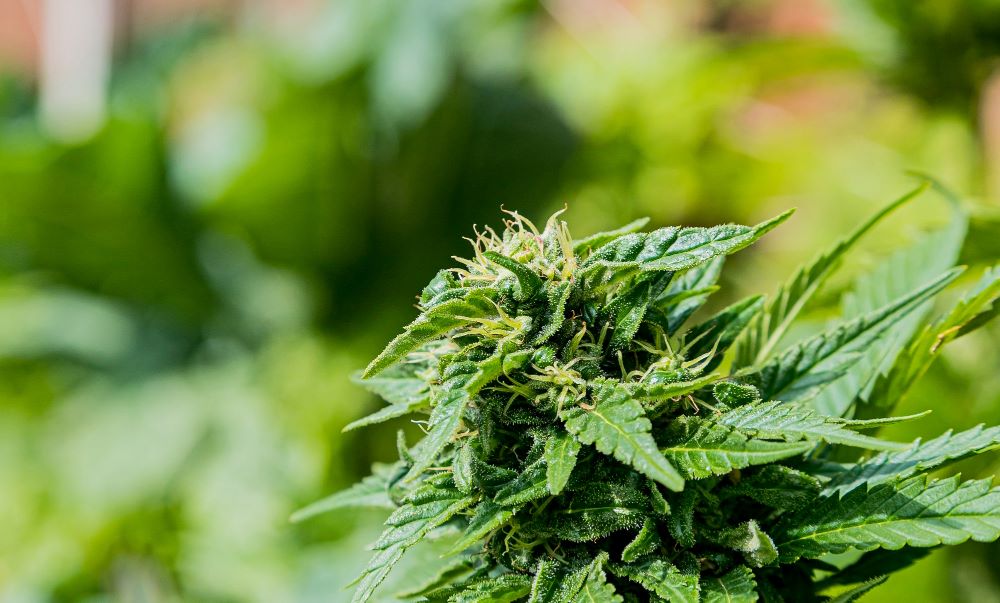
What Strains are Heavy in Caryophyllene?
Among the types of cannabis strains, those often listed as rich in caryophyllene include:
- OG Kush: Known for its earthy, spicy aroma with hints of pine; claims of therapeutic benefit from its caryophyllene are untested.
- Sour Diesel: Known for a pungent, fuel-like scent with a peppery note often credited to caryophyllene.
- Super Silver Haze: With its complex aroma that combines notes of citrus, spice, and earthiness, it is often listed as high in caryophyllene.
These strains are known for a spicy flavor; whether a given product is high in caryophyllene shows only in its lab results. Contact us if you need further information about marijuana terpenes or a marijuana doctor appointment in Florida.
What Should You Know About Caryophyllene?
In short, caryophyllene is the peppery terpene that binds CB2 receptors, with promising lab and mouse results but no proven medical use in people. Because it acts on CB2 rather than CB1, it is not expected to cause a high.
Last updated October 16, 2026 by the Dr. Green Relief Editorial Team.
Medical review
Medically reviewed by Achilles Kalnoky, M.D.
Reviewed on .
He is licensed in Florida as a medical doctor, license ME115088, which you can check on the Florida Department of Health license lookup.
His review covers the medical statements in this post and the sources cited for them.
Sources
- Gertsch J, et al. Beta-caryophyllene is a dietary cannabinoid. Proc Natl Acad Sci U S A. 2008 (PubMed)
- Bahi A, et al. Beta-caryophyllene, a CB2 receptor agonist, produces multiple behavioral changes relevant to anxiety and depression in mice. Physiol Behav. 2014 (PubMed)
- Al Mansouri S, et al. The cannabinoid receptor 2 agonist, beta-caryophyllene, reduced voluntary alcohol intake and attenuated ethanol-induced place preference and sensitivity in mice. Pharmacol Biochem Behav. 2014 (PubMed)
- Raz N, et al. Selective activation of cannabinoid receptors by cannabis terpenes. Biochem Pharmacol. 2026 (PubMed)
- MedlinePlus. Immune System and Disorders



