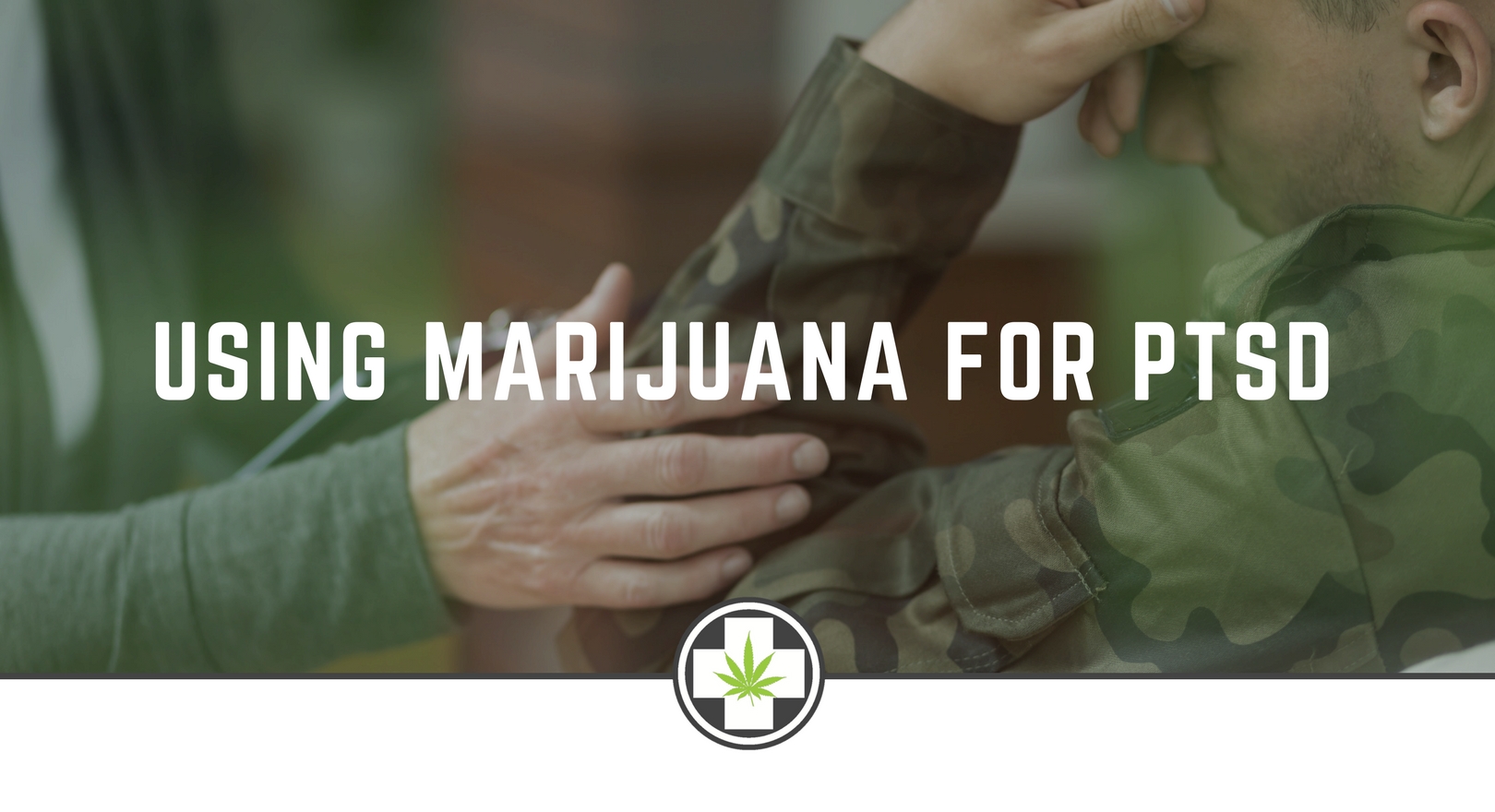
Using Marijuana For PTSD
PTSD (post-traumatic stress disorder) affects about 5 in 100 U.S. adults in a given year, about 13 million Americans in 2020, the VA reports.
Some people say using marijuana for PTSD helps, but a 2021 randomized crossover trial in 80 veterans found smoked cannabis did no better than placebo. Federal rules have also slowed research. Since April 28, 2026, federal Schedule III covers only marijuana in approved drug products or under a state medical marijuana license; all marijuana remains a controlled substance.
Florida lists PTSD as a qualifying condition. Nevada’s published list does not name PTSD, though it includes anxiety disorder, and the state can add conditions by regulation or petition. Either way, talk with your mental health provider before adding cannabis.
How Do People Get PTSD?
People can develop PTSD after experiencing a traumatic, life-threatening event such as:
- military combat
- sexual abuse/assault
- natural disasters
- car accidents
What are the Symptoms of PTSD
There are four main symptoms of PTSD: re-experiencing symptoms, avoidance, hyperarousal and increased negative feelings and thoughts.
1. Re-experiencing Symptoms
This means reliving the traumatic experience that initially caused your PTSD.
This symptom can take the form of disturbing memories that arise unexpectedly. Sometimes, these memories are so powerful it actually feels as if the person is back in the original experience. These types of experiences are called “flashbacks.”
2. Avoidance
PTSD patients may try to avoid experiences or situations that trigger memories of the original trauma. Imagine a driver who must go out of her way to avoid traveling down a particular street because she was in a massive car wreck on that street several years ago. Or a veteran who shuts himself in his room on the Fourth of July because the sound of fireworks triggers memories of being back on the battlefield.
3. Hyperarousal
This symptom involves being in a heightened state of alertness and feeling the need to constantly look out for danger, even if one’s environment is reasonably safe. This can lead to insomnia, difficulty concentrating and explosions of anger and irritability.
4. Negative Feelings and Thoughts
After the traumatic event, PTSD patients may struggle with negative thoughts and feelings. They may begin to see the world as a dangerous place, one they can no longer feel safe in or trust. Consequently, they may no longer want to participate in activities they used to enjoy or spend time with friends or loved ones.
What Other Issues Can Develop With PTSD?
- Depression / anxiety
- Problems with drugs or alcohol
- Chronic pain
- Difficulty holding down a job
- Relationship issues
- Feelings of despair, hopelessness and shame.
PTSD and Veterans
- Among Iraq and Afghanistan veterans, about 29 in 100 will have PTSD at some point in their life, and about 15 in 100 in a given year.
- Across all veterans, the lifetime figure is 7 in 100, compared with 6 in 100 adults overall.
- In 2023, an average of 17.5 veterans died by suicide each day, according to the VA. Veterans in crisis can reach the Veterans Crisis Line by texting 838255, by online chat or by dialing 988 and pressing 1.
Standard Treatment for PTSD
The main treatments for PTSD are talk therapy, medicines such as antidepressants, or both, according to MedlinePlus.
Like all medicines, PTSD drugs can have side effects. Some of these drugs have strong side effects such as headaches, drowsiness, dizziness and the inability to enjoy sex. Patients may also find it difficult to enjoy and participate in life if they are heavily sedated.
Furthermore, opioid painkillers pose a unique risk, especially to veterans. A 2012 retrospective study of 141,029 Iraq and Afghanistan veterans found those with PTSD were more than twice as likely to be prescribed opioids for pain (17.8% versus 6.5% of veterans with no mental health diagnosis). Veterans given opioids had more adverse outcomes, such as accidents and overdoses (9.5% versus 4.1%), and the risk was highest for those with PTSD.
Medical Marijuana and PTSD: What Studies Show
- A rat study published in 2012 found a synthetic cannabinoid given soon after intense stress prevented some stress-related changes; animal results often do not carry over to people.
- PTSD is a listed qualifying condition in Florida, named in s. 381.986(2); other states’ lists differ and change over time.
- Some veterans say medical marijuana eases their pain and PTSD symptoms, but these are personal reports, and the 2021 randomized trial in 80 veterans found no advantage over placebo.
Research on the Endocannabinoid System and PTSD
A 2013 brain imaging study of 60 people found those with PTSD had lower blood levels of anandamide and more CB1 receptors than people without PTSD.
Anandamide, which is also an endocannabinoid, is produced by the brain, and it’s a part of the larger endocannabinoid system. This system controls and manages our memory and pain sensations, among many other things. It’s also the same system that THC and other cannabinoids engage with when you consume medical marijuana.
The researchers suggested this signaling could be a target for new medicines, but it does not show that marijuana treats PTSD.
The endocannabinoid system regulates memory, which is especially important because the most significant feature of PTSD is the inability to forget past traumatic experiences. Whether cannabis helps or harms PTSD symptoms is still unclear, NIH says.
The VA and Medical Marijuana
For veterans who have PTSD, VA policy matters: VA clinicians may not recommend medical marijuana or help veterans obtain it, though veterans will not be denied VA benefits because of marijuana use.
The VA’s stance on medical marijuana is cautious, and NIH says there has been little research on whether cannabis is actually useful for PTSD.
Cannabis use disorder is a real risk: CDC estimates that roughly 30% of people who use cannabis have it.
Veterans are encouraged to discuss marijuana use with their VA providers, who record it in the medical record to plan safe care, and they will not lose VA benefits for it.
Cannabis dependence and opioid overdose are both real risks; the risks of any medicine are worth weighing with a doctor who knows your history.
In other words, any medicine can be misused. That is one reason Florida requires a qualified physician’s certification, after an in-person exam, before a patient can buy.
Future Research on Using Marijuana for PTSD
A long-planned trial of smoked cannabis in veterans with PTSD was eventually completed. It enrolled 80 veterans and compared three types of smoked cannabis with placebo over three weeks.
Published in 2021, it found that every group improved, but no cannabis type beat placebo.
If you’d like more information on using marijuana for PTSD please give us a call. And if you live in Florida and don’t yet have your medical marijuana card, you can book an evaluation to see whether a qualified physician can certify your PTSD.