What Is THC-O? Strength Claims, Legal Status and Risks
THC-O (THC-O acetate) is a lab-made form of THC, produced by treating THC with acetic anhydride; NIDA notes that research on its health effects is limited. It has no approved medical use, and heating it may form ketene, a gas harmful to the lungs.
THC-O is often made from hemp, yet federal law does not treat THC-O acetate as hemp, for reasons the legality section sets out. What people say about its strength comes from users and sellers, not trials. This guide covers what it is, what users report, the law and the risks.
What is THC-O?
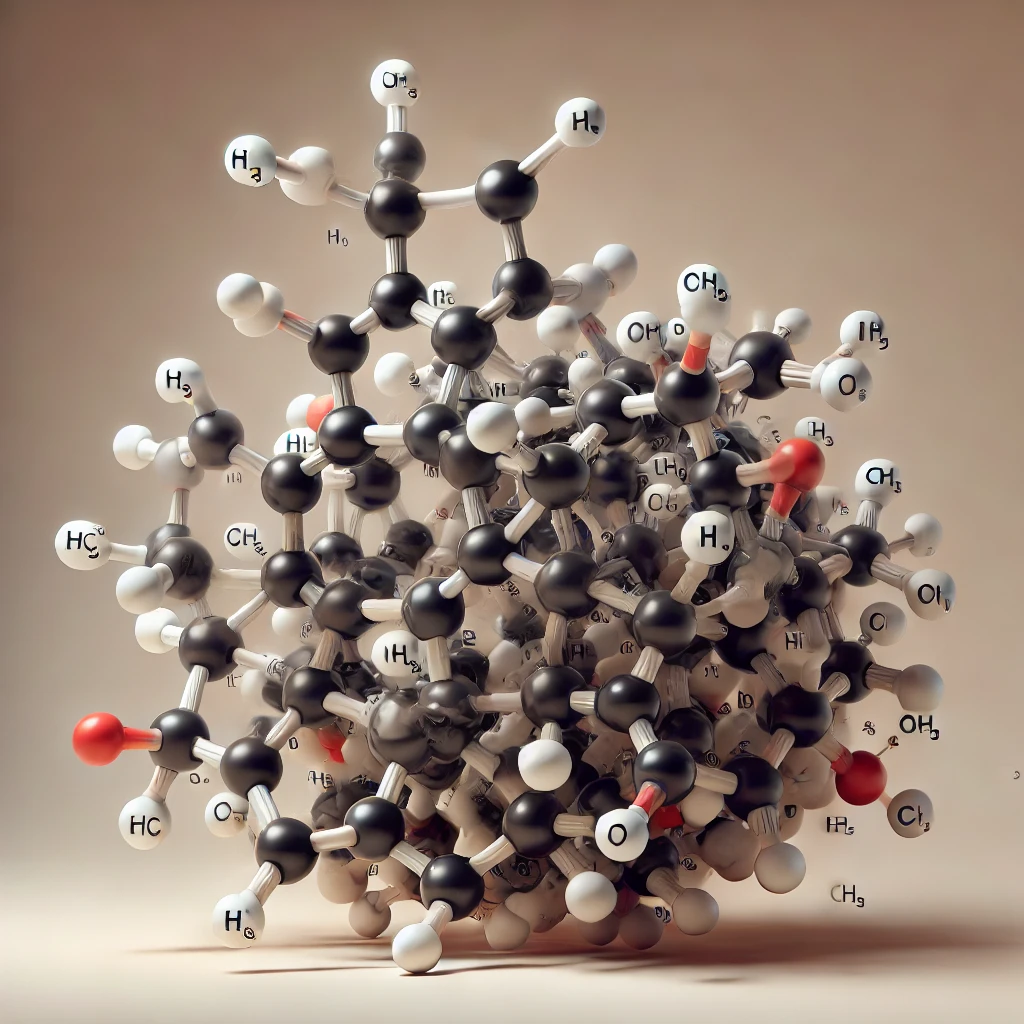
THC-O, short for THC-O acetate, is a lab-made cannabinoid: chemically, it is the acetate ester of THC, the main compound in cannabis that causes a high. Unlike THC, which is naturally found in the cannabis plant, THC-O is made by modifying the THC molecule through a chemical process involving acetic anhydride. The result is a semi-synthetic compound that does not occur in nature.
Because THC-O is not naturally occurring, it is considered a synthetic cannabinoid. It is often made from hemp, but being lab-made is what puts it at odds with federal hemp law, as explained below. State law is a separate layer, covered in the regional section further down.
Controlled human studies of THC-O acetate are lacking, and FDA has not approved it for any medical use. Its synthetic nature and the chemical process used to make it raise separate questions about safety and about legality.
Is THC-O a Synthetic?
Yes, THC-O is considered a synthetic cannabinoid. While it is often made from hemp, it doesn’t naturally exist in the plant. Instead, THC-O is created through a chemical process. The base THC molecule is altered using a substance called acetic anhydride, turning it into THC-O acetate. That lab step is why THC-O acetate is not hemp under federal law.
Semi-synthetic is the more exact word: THC-O starts from a natural compound that is then changed in a lab. That origin is what ties its status to the Controlled Substances Act, the federal law that classifies controlled drugs, rather than to hemp law, as the legality section below explains.
What Does THC-O Do?
Almost everything known about THC-O’s effects comes from users, not trials, and one survey has tested a specific claim, noted below. Here is what is claimed for THC-O acetate, and what is known:
- Psychoactive Effects: It is grouped with delta-8 THC and other intoxicating cannabinoids. Whether THC-O turns into THC in the body has not been shown in any human study we found, and NIDA notes that research on THC-O acetate is limited.
- Enhanced Sensory Perception: Heightened colors, sounds and touch are claimed for THC-O acetate, but no study cited here measured them.
- Deeper Relaxation: NIDA says cannabis can make people feel more relaxed; no study cited here tested whether THC-O does the same.
- Longer-Lasting High: A longer high than with traditional THC is claimed, but no study cited here measured how long THC-O lasts in people. A longer high also means longer impairment, including for driving.
- Mind-Altering Properties: Some users call THC-O psychedelic, but when a 2023 survey of THC-O users asked directly, 79% said using it was “not at all” or “a little” of a psychedelic experience.
Because these reports come from users rather than controlled studies, read them as a guide to what people look for in THC-O, not to what it will do for you. Its legal status and its risks are covered in the sections below.
How Does THC-O Differ From Other Cannabinoids?
THC-O differs from cannabinoids like THC and CBD mainly in how it is made and in how the law treats it. Here’s how it differs:
- Synthetic Creation: THC and CBD come from the plant itself, and so do the plant’s other natural cannabinoids; THC-O exists only after a lab reaction with acetic anhydride. That step is what separates it from hemp under federal law, as the legality section explains.
- Potency Claims: Claims about its strength come from users and sellers, not studies; the potency section below sets out the claim and what is known.
- Different Effects: Unlike CBD and CBG, THC-O causes a high, and users say it lasts longer than THC’s, which would also mean a longer period of impairment.
- Not Naturally Occurring: Being lab-made does not mean being tested. THC-O is found only in manufactured products, not in the plant. FDA has approved one cannabis-derived drug, Epidiolex (CBD), and three synthetic cannabis-related drugs; THC-O is not one of them.
- Legal and Safety Concerns: Its lab origin raises legal questions that natural hemp cannabinoids such as CBD do not, and its health risks are poorly studied because so few human studies exist; both are covered in the sections below.
THC-O, then, is a semi-synthetic form of THC that causes a high, unlike CBD. What sets it apart from other cannabinoids is how it is made and how the law treats it, not any proven effect, since there is so little research on it.
Is THC-O Stronger Than THC?
THC-O acetate is often claimed to be stronger than THC, but no study cited here measured its strength in people. If it were true, even a small amount of THC-O could have a powerful effect, which is why the strength of any product should be treated as unknown.
Strength also depends on the product, not only on the compound. THC-O products are not standardized, so the amount in one cartridge tells you little about the next, and no controlled study shows how people respond to a given amount. That uncertainty is a reason to avoid THC-O; no doctor can set a safe dose.
In short, potency is what THC-O is known for, yet the evidence for it is user reports, so assume any product could affect you more than you expect.
Effects and Experience
User reports are most of what exists on THC-O’s effects. Here is what users commonly describe:
- Intense Psychoactive Effects: Users describe an intense high. Surveyed users reported low to moderate trouble with concentration and short-term memory and an altered sense of time, and their answers fell below the threshold for a complete mystical experience.
- Heightened Sensory Perception: Brighter colors and fuller sounds are claimed for THC-O, yet users in the same 2023 survey reported few visuals or hallucinations.
- Longer-Lasting High: A longer high would mean a longer wait before driving or working, and with no established safe dose, there is no reliable way to predict how long that wait will be.
- Deeper Relaxation: Calm and relaxation are claimed for THC-O, but no study cited here measured them. Anyone using THC-O for anxiety or sleep should know it has no approved medical use for those or any other condition.
- Overwhelming Effects for Some: Some users report effects that feel overwhelming, especially people new to THC products or those who took more after a slow start. Anyone who feels unwell after using it should seek medical care.
Is THC-O Legal?
THC-O’s legal status is complex. A 2020 DEA rule says all synthetically derived tetrahydrocannabinols remain Schedule I controlled substances, and a 2026 DEA rule on HHC adds that chemically converted THC compounds count as synthetic even if hemp derived, so a lab-made compound like THC-O carries federal legal risk today. THC-O acetate is often made from hemp, but it is not hemp under federal law today. The narrower federal hemp definition that starts November 12, 2026, with parts delayed until at least December 11, 2026, also leaves out cannabinoids the plant cannot make; the bar on lab-made versions of natural cannabinoids is one of the delayed parts. States may be stricter.
Federal hemp law changes in late 2026, and state law adds another layer, so know the specific rules in your area. In some places, products like THC-O may be restricted or treated like other synthetic cannabinoids. Check your state’s rules before buying or using THC-O.
THC-O has no approved medical use. If you want symptom relief, ask a medical marijuana doctor or your own doctor about options that are studied and legal where you live.
Legal Status in Different Regions
Region matters in two layers: federal hemp law and your state’s law. In the U.S., the 2018 Farm Bill took hemp out of the Controlled Substances Act, but that definition starts to narrow on November 12, 2026, with the rest delayed until at least December 11, 2026. States add their own rules: Tennessee’s Public Chapter 526 (2025), for example, bars hemp-derived products that contain synthetic cannabinoids in any amount, according to the Tennessee Alcoholic Beverage Commission. Which products a ban like that reaches depends on how each state defines a synthetic cannabinoid, and state rules vary and change often.
THC-O acetate does not fall under the federal definition of hemp, and state rules on THC products change often, so check your state regulator’s current rules first.
User Awareness and Safety
Its strength is unknown, and that is the first risk: an amount that suits one product may be too much in the next. Little is known about its other risks, so keep these points in mind:
- Know the Lung Risk: Heating THC-O can form ketene, a gas harmful to the lungs. In a 2023 ketene study, 74.9% of participants vaped THC-O, yet only 12.0% reported concern about ketene.
- Monitor Your Body’s Response: Effects vary from person to person, and the same amount may feel mild to one user and intense to another. Note how you feel after use, and wait until the effects have fully passed before driving.
- Tell Your Doctor: THC-O has no established safe dose, so no doctor can clear it as safe for you; if you have used it, tell your own doctor or a medical marijuana doctor, especially if you take other medicines.
These steps cannot make THC-O safe, because it has no approved medical use and few human studies behind it.
What are the Risks and Side Effects of THC-O?
Reported side effects resemble THC’s, mostly from user accounts. Here’s what users should be aware of:
- Common Side Effects: NIDA lists a faster heart rate among cannabis side effects, and FDA reports on delta-8 THC products include dizziness and vomiting. No study cited here measured THC-O’s side effects.
- Risk of Overconsumption: Because product strength is unpredictable, it’s easy to take too much THC-O by accident. Users report that too much can bring paranoia, confusion and even hallucinations. Anyone with severe symptoms after using it should get medical help.
- Potential Long-Term Effects: While there is still limited research on the long-term effects of THC-O, its synthetic nature raises concerns about how it may affect the body over time. Until more studies are done, its long-term effects on the body remain unknown.
If you have any concerns about the risks or side effects of THC-O, talk with your own doctor or contact us with questions.
Is There a Safe Dose of THC-O?
There is no established safe dose of THC-O: it has no approved medical use, products are not standardized, and controlled human studies are lacking. It may also take longer to kick in than people expect, which can lead them to take more.
Why Is THC-O’s Strength Hard to Predict?
No controlled human study has measured THC-O’s strength, so the figures quoted for it come from users and sellers, and products are not standardized either. An effect that is stronger or slower to start than expected can lead people to take more, a risk NIDA notes for edibles, which typically take longer to show effects.
How Do People Consume THC-O?
THC-O is sold in several forms, and each carries its own risk:
- Vaping or Smoking: Some people vape or smoke THC-O acetate for faster effects, though heating it raises the ketene concern noted above.
- Edibles or Capsules: These take longer to kick in than vaping, and NIDA warns that slow-acting edibles can lead to taking too much.
- Tinctures: Taken under the tongue, but product strength is not standardized.
However it is taken, THC-O’s effects can be overwhelming and hard to predict.
How Do Similar Cannabinoids Compare to THC-O?
If you’re comparing THC-O with similar cannabinoids, here is how a few of them differ:
- CBD (Cannabidiol): Unlike THC-O, CBD is not intoxicating, and under today’s hemp definition hemp-derived CBD is not a federally controlled substance, though FDA has approved it only as the prescription drug Epidiolex.
- Delta-8 THC: FDA warns that delta-8 THC causes a high, is usually made from hemp CBD with added chemicals, and has not been evaluated or approved for safe use; the federal hemp changes that reach it, on lab conversion and THC per container, are delayed until at least December 11, 2026, and Congress could move that date again.
- CBG (Cannabigerol): Another cannabinoid that does not cause a high, CBG is marketed for wellness, but it has no FDA-approved use.
None of these is a proven treatment, so talk with a doctor before using any of them.
Conclusion
THC-O acetate is a lab-made form of THC that users describe as strong, though no controlled study has measured its strength. THC-O acetate has no approved medical use, little human research, a possible lung risk when heated, and federal legal risk as a synthetic THC under a 2020 DEA rule that keeps synthetically derived THC in Schedule I. The federal hemp changes of November 12, 2026 and December 11, 2026 do not remove that risk. If you are looking for symptom relief, a doctor can explain options with more evidence.
Last updated October 18, 2026 by the Dr. Green Relief Editorial Team.
Medical review
Medically reviewed by Achilles Kalnoky, M.D.
Reviewed on .
He is licensed in Florida as a medical doctor, license ME115088, which you can check on the Florida Department of Health license lookup.
His review covers the medical statements in this post and the sources cited for them.
Sources
- National Institute on Drug Abuse, Cannabis (Marijuana)
- U.S. Food and Drug Administration, FDA and Cannabis: Research and Drug Approval Process
- U.S. Food and Drug Administration, FDA Regulation of Cannabis and Cannabis-Derived Products, Including CBD
- Bone CC et al. Ketene formation in dabbing and vaping THC-O-acetate. Cannabis Cannabinoid Res. 2024 (PubMed)
- Kruger DJ et al. THC-O-acetate: scarce evidence for a psychedelic cannabinoid. J Psychoactive Drugs. 2024 (PubMed)
- Federal Register, August 21, 2020 DEA rule implementing the Agriculture Improvement Act of 2018
- Federal Register, May 4, 2026 DEA rule listing hexahydrocannabinol in Schedule I
- Public Law 119-37 (federal hemp definition)
- Public Law 119-103 (hemp definition delay)
- Tennessee Alcoholic Beverage Commission, Frequently Asked Questions
- U.S. Food and Drug Administration, 5 Things to Know about Delta-8 Tetrahydrocannabinol (Delta-8 THC)