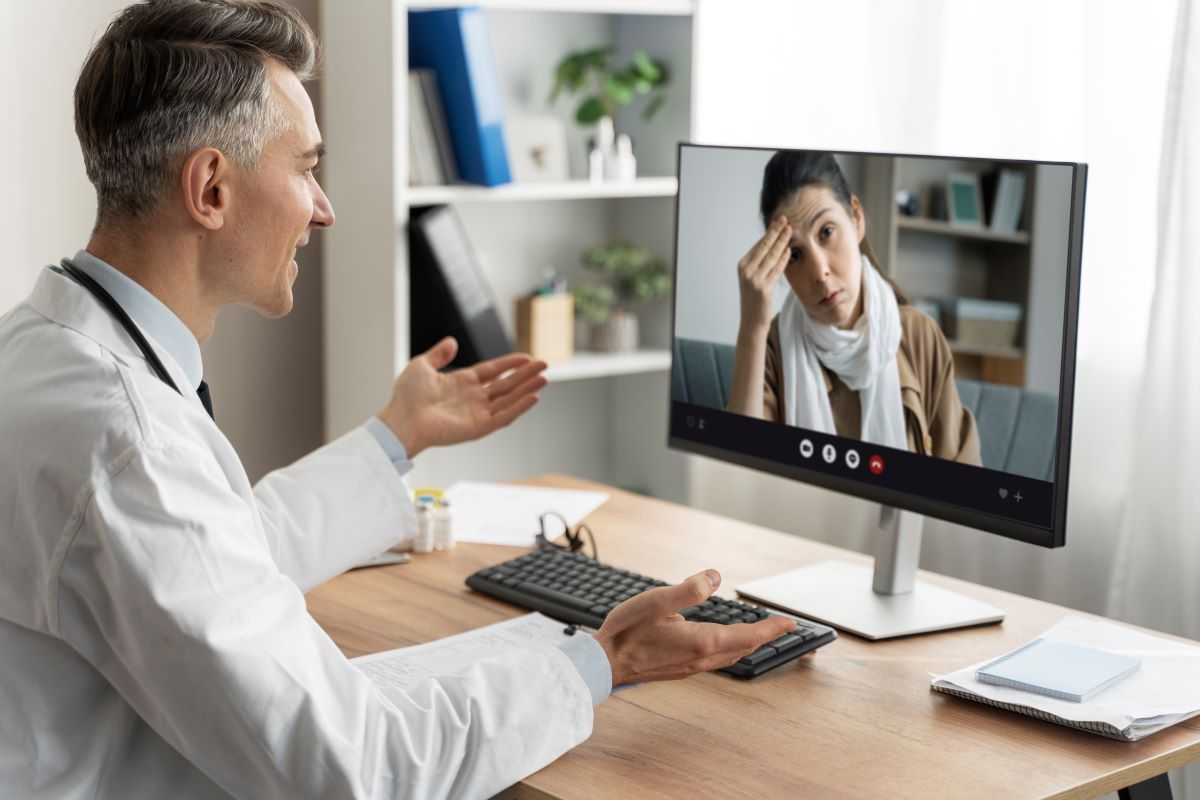
Benefits of Medical Marijuana Telemedicine for Patients and Healthcare Providers
For a medical marijuana patient in Florida, telemedicine has one main use: renewing a certification by video or phone with the physician who first examined you in person. The first exam itself must happen in the same room. This article covers the telemedicine benefits for marijuana patients under those rules, what a renewal visit involves and where its limits are.
What Is Medical Marijuana Telemedicine?
Medical marijuana telemedicine means seeing a marijuana doctor by video or phone instead of in the office; in Florida it covers renewals after an in-person first visit. For the wider question, “What is telehealth or telemedicine?”, see our telehealth vs. telemedicine guide.
A renewal by video call or phone must meet the same conditions as any Florida certification, among them an exam and medical history review, a qualifying condition, and a finding, in your medical record, that the benefits likely outweigh the risks.
Who does the visit matters. Florida law requires your first certification exam in person, with the physician in the same room. Only the marijuana doctor who did that exam may then renew it by telehealth, which is why the rest of this article is about renewals.
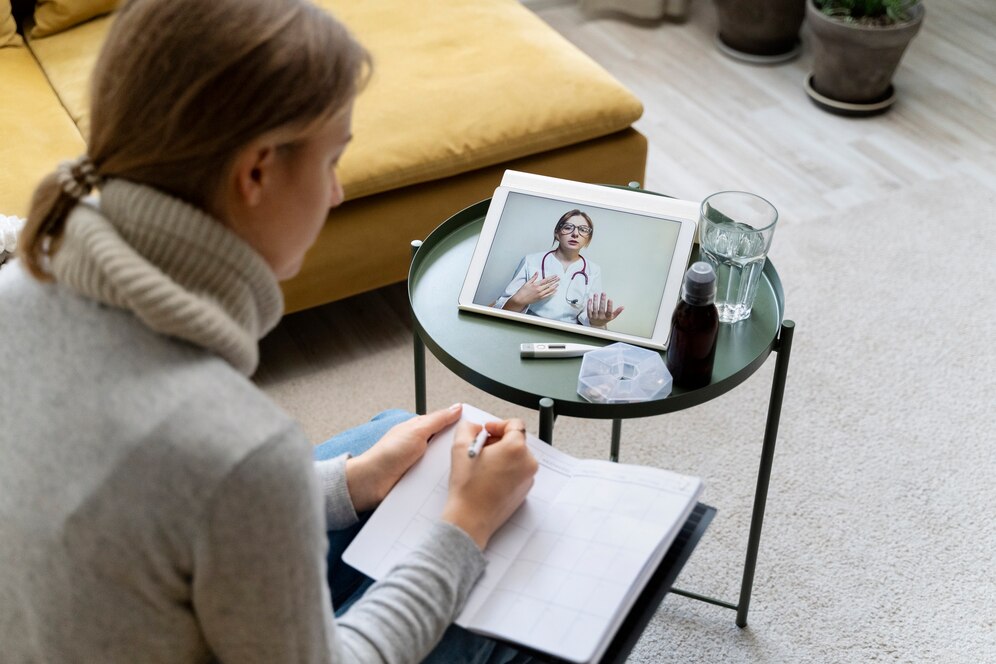
What are the Benefits of Medical Marijuana Telemedicine for Patients and Healthcare Providers?
For patients in Florida’s medical marijuana program, the benefits below apply to renewals only, since the first exam is in person. Most also come with a limit, noted in their sections:
Improved Accessibility to Healthcare Services
For patients who find travel hard, access is the main gain.
Some patients have a disability or circumstances that prevent them from visiting clinics, and Florida requires an evaluation at least once every 30 weeks before a new certification is issued. Telemedicine moves those renewal visits online, but the first exam still means one trip to an office.
Increased Privacy and Confidentiality
Some patients would rather keep their medical marijuana use private. A video renewal happens wherever you choose to take the call, so no one sees you walk into a clinic.
For a renewal with your certifying physician, the call can happen from home, even by phone alone, so pick a room where you can speak freely.
Time and Cost Savings
A video renewal saves the trip, and in Florida that trip comes up often: a certification can cover at most 210 days (about seven months), so a patient who stays certified needs a new one at least that often. Each office visit can mean time off work and travel costs.
For renewals, telemedicine removes most of that cost. Florida allows the renewal exam by video or by phone alone, but not by e-mail or fax, and the law still requires an exam and a review of your medical history, so a renewal is more than a form you send in.
Flexibility and Convenience
Telemedicine visits fit around work more easily. Your state ID card is separate: Florida accepts its renewal application only in the 45 days before it expires.
A video call also skips the drive, the waiting room and the wait to be seen. In return, it needs a phone or computer, a steady connection and enough time for an exam and a full review of your medical history.

Improved Patient Engagement and Empowerment
Each renewal also needs informed consent: Florida requires a signed form, standardized by the two medical boards, every time a certification is issued.
Patients can choose a time that suits them and join from home. If the physician changes your certification, the law gives the physician 7 days to update the registry, and the treatment center checks what it dispenses against that record.
Streamlined Documentation and Data Management
Florida’s certification record is already digital. The physician enters each certification in the state registry, with your qualifying condition, dosage and authorized forms, so a renewal by video creates the same record as one in the office.
Going digital does not settle every question. A 2019 review of research on video consultations at home found a lack of data on their cost, ethics and safety.
Expanded Reach and Patient Base
For patients, wider reach means distance matters less after the first visit. If you live far from the office where you were first examined, the law lets that same physician keep renewing you by telehealth; switching to a closer physician means a new in-person exam, even within the same practice.
This option is fairly new in statute: Florida law has allowed telehealth renewals for medical marijuana since July 1, 2023, when HB 387 took effect.
Potential for Research and Data Collection
Research on video care is still catching up. The same 2019 review found no formal evidence for or against internet video consultations and expected that to change as more studies are published. Patient feedback after a renewal call is one way a practice can learn what works and improve the future standard of care.
Summary
In Florida, marijuana telemedicine is a renewal tool. The law puts the first exam in a room with the physician, and only that physician may handle later renewals by video or by phone. Patients in the research reviewed were satisfied with video consultations, though evidence that they changed health outcomes was limited. What telemedicine saves is travel and time; what it cannot replace is that first visit in person.