Telehealth vs. Telemedicine: What’s the Difference?
Telehealth and telemedicine are now everyday terms, and Florida statute, in section 456.47, gives the first a legal meaning: telecommunications technology a provider uses for health care services, including assessment, diagnosis and treatment. Telemedicine usually means the clinical care part of that.
What Is the Difference Between Telehealth and Telemedicine?
Both terms describe care at a distance, but they are not the same thing. The short answer: telehealth is the broader term for any health service delivered remotely, including training and health apps, while telemedicine means remote clinical care, such as a video visit with a doctor.
What Is Telehealth?
Telehealth covers any health service delivered at a distance through electronic devices and communications technologies, medical or non-medical: training for doctors and nurses, check-ups through apps and virtual clinic meetings all count.
What Is Telemedicine?
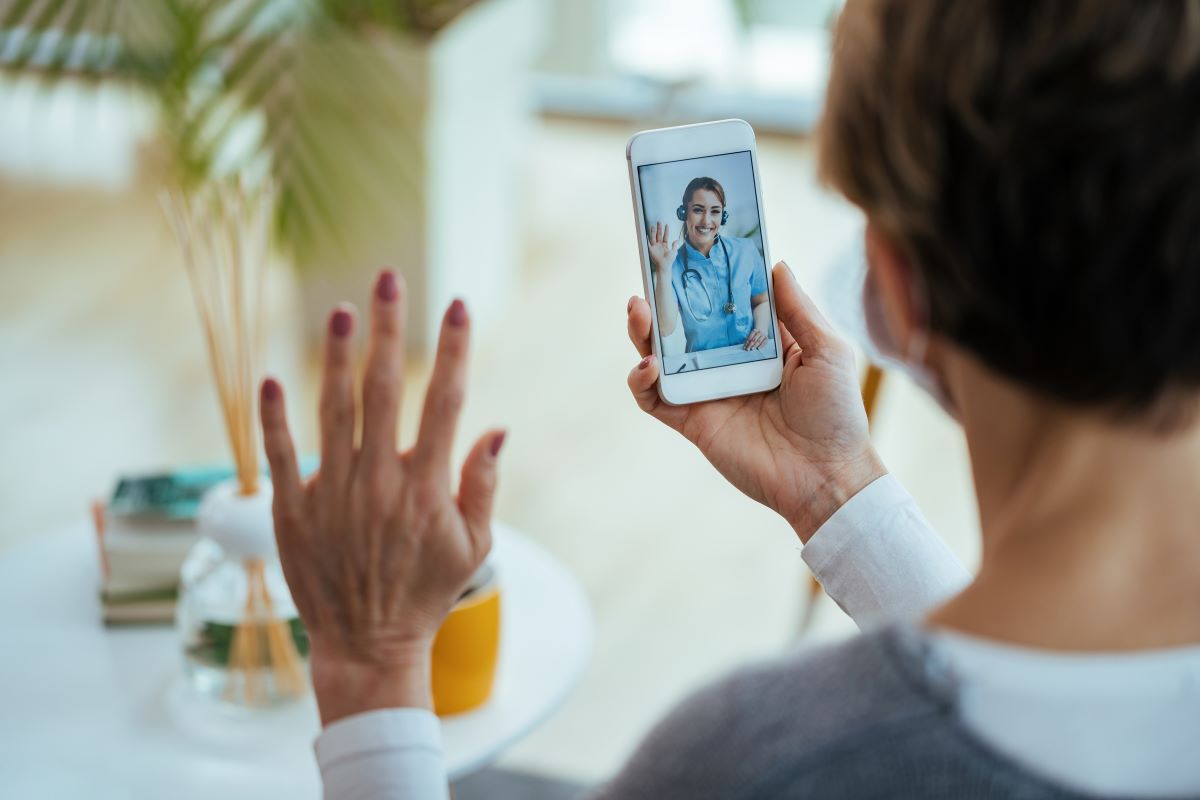
Telemedicine is narrower: it covers remote medical services only, over the same devices and connections, and not training or other non-medical work. Some examples of telemedicine may include a doctor having a video chat with a patient to consult about a health problem they’re experiencing or making a possible diagnosis over a phone call.
In short, the main difference between telemedicine and telehealth is that telehealth is the broader term. Telehealth can refer to more processes and aspects of healthcare than telemedicine, like remote monitoring and real-time remote healthcare services, in addition to medical education and so on.
What Are the Benefits of Telehealth and Telemedicine?
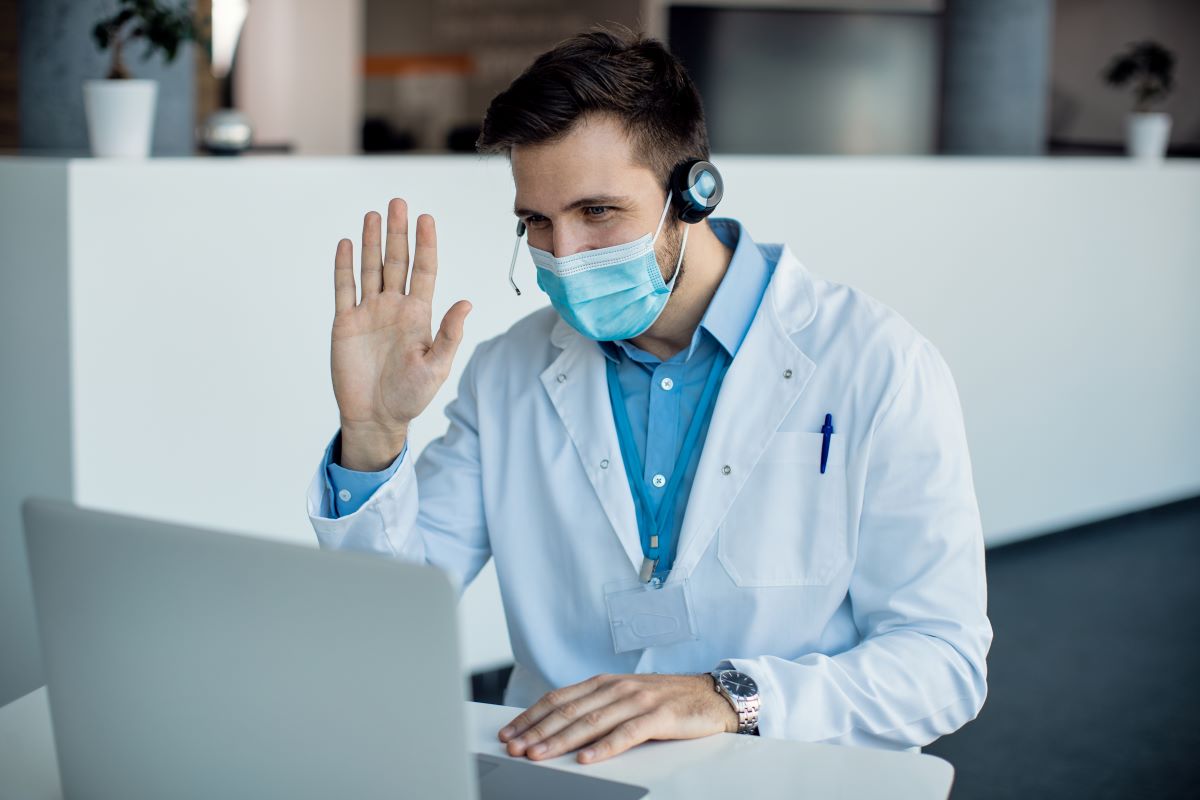
Telehealth and telemedicine have different definitions, yet both bring benefits to patients and healthcare providers, and the benefits are not identical.
Benefits of Telehealth
- Remote Monitoring: Telehealth can be used to allow physicians to remotely monitor the health and developments of their patients, without needing to physically check on the patients or bring them into their clinics over and over. With the aid of remote telehealth devices, for example, it’s possible to track how a patient is responding to a treatment.
- Mobile Health: A big part of telehealth is the development and implementation of mobile health apps. Both patients and members of the general public can make use of these apps to learn more about their health, discover possible warning signs or symptoms, and educate themselves on healthcare and medicine.
- Education: As explained above, telehealth can also refer to the remote or online training and education of healthcare professionals, from doctors to nurses. With telehealth apps, programs, and resources, medical students and professionals can learn more and develop their skills without the need for physical in-person classes and courses.
Benefits of Telemedicine
- Fewer trips: Telemedicine is the clinical visit itself, so it is the part of telehealth that can replace a trip to the office. Our guide to telemedicine benefits covers what a telehealth renewal saves a Florida patient.
- Flexible: With no trip to an office, a visit takes less of the day. In Florida, a renewal by telehealth may even be audio-only, but only with the physician who did your in-person exam.
- Long-Term Support: Distance, time and cost can keep patients from seeing their doctors as often as their care calls for. For people with chronic conditions, a video or phone check-up can make regular follow-up easier to keep, though some problems still need a doctor to examine you in person, as the section below explains.
Limitations of Telemedicine
Remote care has limits, and Florida medical marijuana law shows one: a first certification needs an in-person exam. Some problems call for an office visit, because a doctor may not be able to examine and diagnose them accurately over a video or phone call, and some care can only be given in person.
When to Use Telehealth vs Telemedicine?
In general, telehealth is used for general monitoring of patients and more independent patient care, letting the patients track and monitor their conditions or send data to their doctor remotely over an extended period of time. Meanwhile, telemedicine is more appropriate for situations where a patient needs a new diagnosis or wants to consult with their doctor about something specific.
Renew Your Florida Medical Marijuana Certification Via Telemedicine From Home
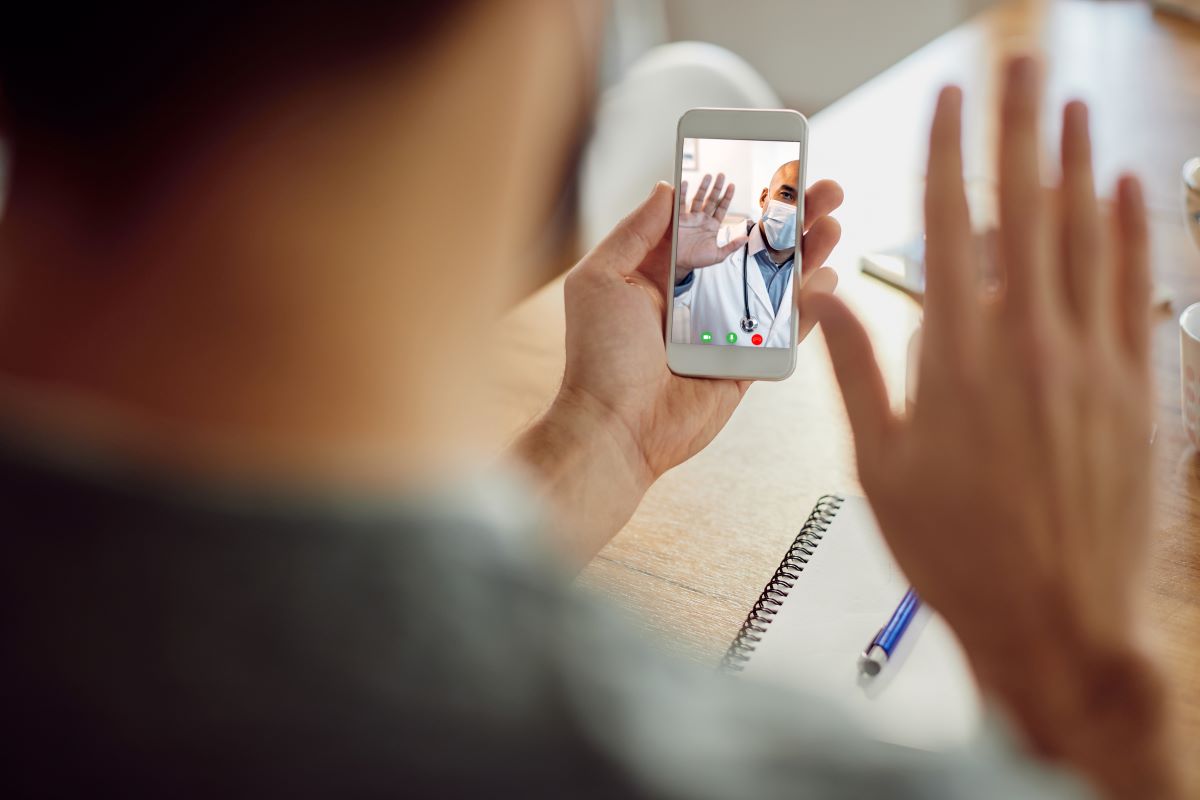
States set their own rules on using telemedicine for marijuana as medicine. In Florida, marijuana doctors must examine you in person for your first certification; after that, the same physician may renew your certification by video call. Contact us for more details.
Summary
Telehealth is the umbrella term and telemedicine is the clinical visit inside it; for a Florida medical marijuana patient, the renewal rule above is the part that matters.