What Is The Entourage Effect?
The entourage effect is an idea in cannabis research that compounds in the plant work together to produce stronger effects than any one alone. Supporters say this happens when cannabinoids, terpenes and other compounds combine and amplify one another. The idea matters to anyone weighing whole-plant cannabis sativa products against single compounds. Whether the full mix of compounds gives more benefit than isolated compounds has not been shown consistently in human studies.
This overview explains what the entourage effect is, where the term came from, what controlled trials of THC with CBD and limonene found, and why it is still unproven.
Definition of the Entourage Effect
The entourage effect refers to how the various compounds in cannabis plants, such as cannabinoids, terpenes, and flavonoids, are said to work together to create a stronger overall effect, each compound enhancing the others.
Yet a 2023 randomized trial of 46 adults found that adding CBD to inhaled THC did not change THC’s effects, and a 2026 review found that CBD taken by mouth with THC can strengthen THC’s effects, so full-spectrum products are not proven to work better or to be milder. Researchers keep testing the idea because whole-plant products are widely sold, but trials so far have not shown that a mix of compounds works better than a single one.
Historical Background
In 1998, researchers used the term entourage effect for inactive fatty acids that boosted one of the body’s own cannabinoids in mice. The idea was later applied to plant compounds such as THC and CBD.
Since then, human studies have given mixed results on whether plant compounds change THC’s effects. Some researchers argue that the full spectrum of compounds in cannabis sativa matters, but superior outcomes have not been shown in trials.
Scientific Basis of the Entourage Effect
The entourage effect is a key concept in cannabis science, describing how cannabinoids, terpenes, and flavonoids might work together. Researchers are still testing whether such synergy exists in people. A 2026 narrative review of controlled studies on how CBD, CBG, CBC, THCV and terpenes such as limonene and myrcene change THC’s effects found methods and results so varied that the evidence is hard to interpret.
Explanation of Cannabinoids, Terpenes, and Flavonoids
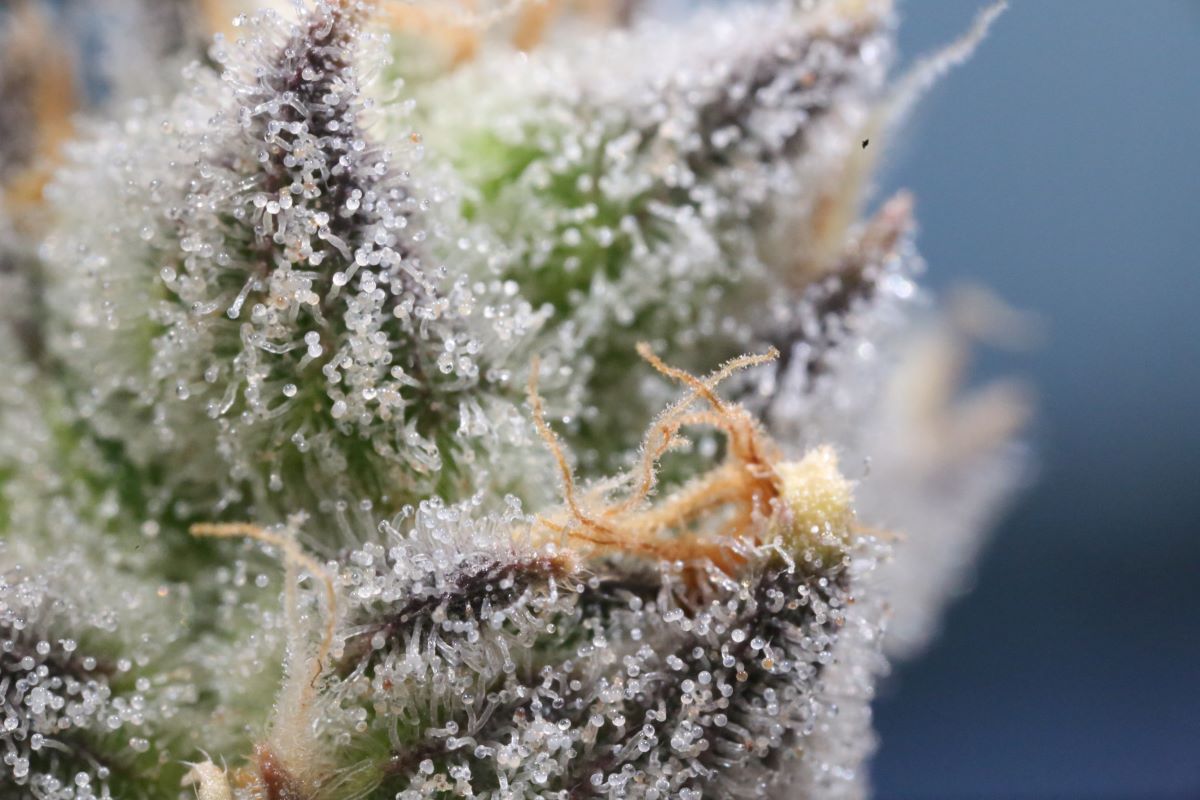
Cannabinoids, terpenes, and flavonoids are key compounds in cannabis that contribute to the entourage effect.
- Cannabinoids: Compounds like THC and CBD interact with cannabinoid receptors in the body. THC binds to CB1 receptors in the brain, causing psychoactive effects, while CBD does not activate CB1 or CB2 the way THC does and acts on several other targets.
- Terpenes: These aromatic compounds give cannabis its distinct scent and may modify how cannabinoids affect the body. For example, the claim that myrcene helps THC cross the blood-brain barrier has not been shown in people: a 2026 review found that many cannabis terpenes have not yet been studied with THC in humans.
- Flavonoids: Known for their antioxidant properties, flavonoids contribute to the color and flavor of cannabis, though whether they add anything to cannabis’s effects in people is unproven.
Interaction Between Different Compounds
The entourage effect is said to work through cannabinoids, terpenes and flavonoids amplifying or modifying each other’s effects.
- Synergistic Effects: The idea that THC and CBD work better together is popular, but in a 2023 trial adding CBD did not reduce THC’s psychoactive effects.
- Antagonistic Effects: Some compounds may counteract others. In a 2024 double-blind trial of 20 adults, limonene inhaled with THC reduced the anxiety and paranoia THC caused, while added CBD did not soften THC’s effects in a separate 2023 trial of 46 adults.
Mechanisms of Action
Two mechanisms are usually proposed: receptor binding and enzyme interactions.
- Receptor Binding: Cannabinoids like THC and CBD bind to cannabinoid receptors in the brain and body. CB1 receptors are primarily found in the brain, where THC binds to produce psychoactive effects. CB2 receptors sit mainly on immune cells, and whether terpenes change how cannabinoids act on these receptors in people is still unclear.
- Enzymatic Interactions: Enzymes in the body break down cannabinoids, influencing how long their effects last. CBD, for instance, weakly slowed FAAH, the enzyme that breaks down the endocannabinoid anandamide, in a 2001 study using rat brain tissue. This may raise levels of the body’s own anandamide, though the medical meaning of this in people is not established.
The entourage effect is the proposed interaction between cannabinoids, terpenes, and flavonoids, said to enhance therapeutic effects. Trials so far do not show that full-spectrum products outperform isolated compounds. The FDA-approved cannabinoid drugs are single compounds, and the idea that whole-plant products work better remains a hypothesis to test.
Key Components of the Entourage Effect
The entourage idea rests on the interaction of various compounds within cannabis. Each component has its own effects, and whether they combine into a more balanced or effective experience is still being tested. Here is what each compound is known to do, and why a full spectrum of benefits is still a claim, not a finding.
Major Cannabinoids
Cannabinoids like THC and CBD are central to the entourage effect.
- THC (Tetrahydrocannabinol): THC binds to CB1 receptors in the brain and causes euphoria and altered perception; added CBD did not soften these effects in a 2023 trial.
- CBD (Cannabidiol): CBD is non-intoxicating and FDA-approved only for certain seizures; evidence for anxiety is small, and FDA warns of liver injury.
Common Terpenes
- Myrcene: Known for its earthy aroma; its effect on THC in people is unproven.
- Limonene: Has a citrus scent, and in one 2024 trial of 20 adults, inhaled limonene reduced anxiety caused by THC.
Role of Flavonoids
- Function: Flavonoids add color and have antioxidant activity in the lab; their effect on inflammation in people is unclear.
- Synergy: Whether they add to the effects of cannabinoids is unproven.
Understanding these components helps explain what the entourage effect claims, and why researchers want controlled trials to test it.
Applications and Implications of the Entourage Effect
The entourage idea shapes how cannabis products are made and sold, from full-spectrum oils to products blended with terpenes. Its effects in people are not proven, so treat marketing that promises a stronger or safer result with caution. Below is an overview of its applications:
Medical Use
The entourage effect is often cited in medical cannabis, but its benefit has not been shown in clinical trials.
- Pain Management: Most trials of cannabis-based medicines for nerve pain tested nabiximols, a THC and CBD mouth spray not approved in the U.S., and a 2018 review rated the evidence low to moderate quality.
- Neurological Conditions: The FDA-approved seizure drug Epidiolex contains a purified form of CBD, not a THC and CBD mix, and MS trials of cannabinoids show small, self-rated changes in spasticity.
- Psychological Conditions: For anxiety and PTSD the evidence is thin, such as a 10-person study of nabilone for PTSD nightmares, and CDC links cannabis use to social anxiety.
Recreational Use
Many recreational users believe the entourage effect shapes their experience.
- Enhanced Effects: Recreational users often seek out cannabis strains that offer a richer experience. They describe blends of THC, other cannabinoids and terpenes as feeling different, but these are user reports, not tested results.
- Consumer Preferences: Some consumers choose products marketed on the entourage idea. Full-spectrum products, which contain a mix of cannabinoids and terpenes, are widely sold, though they have not been shown to work better than isolated compounds.
Industrial and Commercial Impact
In business, the entourage idea shows up in two ways.
- Product Development: Companies are focusing on creating full-spectrum products that capitalize on the entourage effect. This includes a range of products, from oils and tinctures to edibles and essential oils infused with cannabis compounds. They are aimed at medical and recreational users who want a whole-plant product.
- Market Growth: Full-spectrum and terpene-blended products are widely marketed on the entourage idea, but a full-spectrum label describes how a product was made, not how well it works.
Knowing what the entourage effect has and has not shown helps consumers judge full-spectrum claims, whether for medical or recreational use.
Controversies and Criticisms of the Entourage Effect
The entourage effect is a popular concept in cannabis research, but it faces significant skepticism and challenges that need addressing.
Skepticism Within the Scientific Community
Many researchers question the validity of the entourage effect due to the lack of robust evidence. Much of the current support comes from anecdotal reports or studies on animals, which may not accurately represent human experiences. The variability in cannabis strains and the absence of standardized testing methods add to the uncertainty, leading some scientists to call for more controlled studies before fully accepting this concept.
Methodological Challenges in Research
Researching the entourage effect is complex due to several factors:
- Cannabis Complexity: With hundreds of compounds in cannabis, isolating and studying their interactions is challenging.
- Lack of Standard Methods: The absence of standardized research methods results in inconsistent findings, making it difficult to draw clear conclusions.
- Regulatory Hurdles: Obtaining approval for cannabis research can be a slow and complicated process, further hindering progress.
Regulatory and Legal Issues
The legal status of cannabis varies globally, complicating research efforts. In many regions, strict regulations limit large-scale clinical trials needed to explore the entourage effect fully. Although the Food and Drug Administration has approved some cannabinoid-based drugs, many potential treatments remain unexplored due to these legal barriers.
These controversies highlight the need for more rigorous research and clearer legal frameworks to understand better and utilize the entourage effect in both medical and recreational cannabis use.
Cannabis law and cannabis research both change often, so check the date on any source you rely on. Our medical marijuana doctors in Florida can explain what the evidence shows and whether your condition qualifies under state law.
Conclusion
The entourage effect is a popular idea in cannabis research, and trials so far give mixed results on whether cannabinoids, terpenes and flavonoids work better together. Until better trials arrive, the honest answer is that the entourage effect is a hypothesis worth testing, not a reason to choose a product.