How CBD Is Extracted: Methods, Process & Quality Explained
CBD is extracted by running a solvent such as ethanol, or carbon dioxide under pressure, through dried hemp to pull out the cannabinoids and terpenes, then removing the solvent and refining the oil; in Florida the result may be sold only with an independent lab’s certificate of analysis.
Extraction is the first step between the hemp plant and the oil or capsule you buy.
How CBD is extracted affects what ends up in the bottle, but only a lab report shows a product’s purity and potency. Different CBD extraction methods such as CO₂, ethanol, and ultrasonic techniques are used in modern hemp oil processing to achieve specific outcomes.
Below are the main ways CBD is extracted from hemp, how the methods compare, and what to check on a label before you buy.
What Is CBD Extraction?
CBD extraction is the process of separating cannabidiol (CBD) and other beneficial compounds from the hemp plant material. This is done through specialized techniques that isolate cannabinoids, terpenes, and flavonoids from plant matter.
In simple terms, it is the step that converts raw hemp into usable CBD oil or isolate. The goal of hemp biomass extraction is to preserve beneficial compounds while removing unwanted plant materials such as chlorophyll, waxes, and fats.
The result of this process is used to produce various CBD products, including oils, tinctures, capsules, and topicals.
How CBD Is Extracted From Hemp
To understand how CBD is extracted from hemp, start with the plant: CBD is not available in usable form inside it. Instead, it must be pulled out using solvents or advanced technology.
Most modern facilities use controlled environments where hemp undergoes hemp oil processing to separate cannabinoids efficiently. The extracted material is then refined into different product types such as full-spectrum CBD or isolate.
The specific method used determines whether the final product contains a full range of cannabinoids or only purified CBD.
Most Common CBD Extraction Methods
There are several industrial methods used today. Each has advantages depending on cost, purity, and product type.
CO2 Extraction (Supercritical CO2)
CO₂ extraction uses pressurized carbon dioxide in place of an organic solvent.
In this process, carbon dioxide is pressurized and heated until it reaches a “supercritical” state. This allows it to act both as a gas and a liquid, efficiently pulling cannabinoids from plant material.
CO2 extraction leaves no solvent to remove afterward, which is one reason many CBD makers use it; the finished oil still needs lab testing for contaminants.
Benefits:
- High purity
- No solvent residue
- Excellent control over cannabinoid profile
Ethanol Extraction
Ethanol extraction is another common solvent method, though no official count shows how widely it is used.
In this process, ethanol is used as a solvent to strip cannabinoids from hemp plant material. After extraction, the ethanol is evaporated, leaving behind concentrated CBD oil.
This method is efficient and cost-effective, especially for large-scale production.
Ethanol extraction is commonly used for full-spectrum products, but it may also extract chlorophyll, which requires further refinement.
Hydrocarbon Extraction
Hydrocarbon extraction uses solvents such as butane or propane to extract cannabinoids.
It is highly efficient but must be carefully controlled due to flammability risks and the need for complete solvent removal. This method is often used in producing concentrates and vape products.
Ultrasonic Extraction
Ultrasonic extraction is a newer method that uses sound waves to break plant cell walls and release cannabinoids.
Makers describe it as faster and less reliant on harsh solvents, though we found no independent comparison for hemp. Some manufacturers use ultrasonic extraction for smaller or experimental batches of CBD oil.
CBD Extraction Methods Compared
| Method | Purity | Cost | Safety | Output Type |
| CO₂ Extraction | Very High | High | Very Safe | Full spectrum / isolate |
| Ethanol Extraction | High | Medium | Safe | Full spectrum |
| Hydrocarbon | Medium | Low | Riskier | Concentrates |
| Ultrasonic | High | Medium | Safe | Experimental oils |
The ratings in this table are general comparisons, not test results; any product’s safety depends on its lab report.
Types of CBD Products Produced After Extraction
After extraction, CBD is refined into different product types:
- Oils and tinctures
- Capsules and softgels
- Topicals and creams
- Vape concentrates
- Isolates and distillates
CBD isolate production results in pure CBD with no other cannabinoids, while full-spectrum extracts retain multiple compounds, a mix some people prefer although any added benefit is unproven.
Factors That Affect CBD Extraction Quality
The quality of CBD extraction is influenced by several critical factors that determine the purity, potency, and overall effectiveness of the final product. From cultivation practices to post-processing controls, each stage plays an important role in shaping the outcome of CBD extraction methods.
Hemp Plant Quality
The foundation of high-quality CBD extraction begins with the hemp itself. The genetic strain, cultivation conditions, and harvesting time all directly impact cannabinoid yield and purity.
Hemp grown without pesticides, in soil low in heavy metals, is less likely to pass those contaminants into the extract, though only a lab test confirms it. Harvest timing may also matter, since growers report that cannabinoid levels change as the plant matures.
Even soil quality and climate conditions can influence the hemp biomass extraction process, as stressed or poorly grown plants often result in lower yields and inconsistent chemical profiles.
Extraction Technology
The type of extraction technology used is one of the most important determinants of final product quality. Modern systems such as CO₂ extraction are often described as a benchmark because they allow precise control over temperature and pressure, helping preserve cannabinoids and terpenes without introducing harmful residues.
In contrast, older solvent-based methods may extract unwanted plant materials such as chlorophyll or waxes, requiring additional refinement steps.
Advanced techniques such as ethanol and ultrasonic CBD extraction also offer high efficiency, but their effectiveness depends heavily on equipment quality and processing conditions. Better equipment can improve consistency, but only the lab report shows what a given extract contains.
Post-Extraction Testing
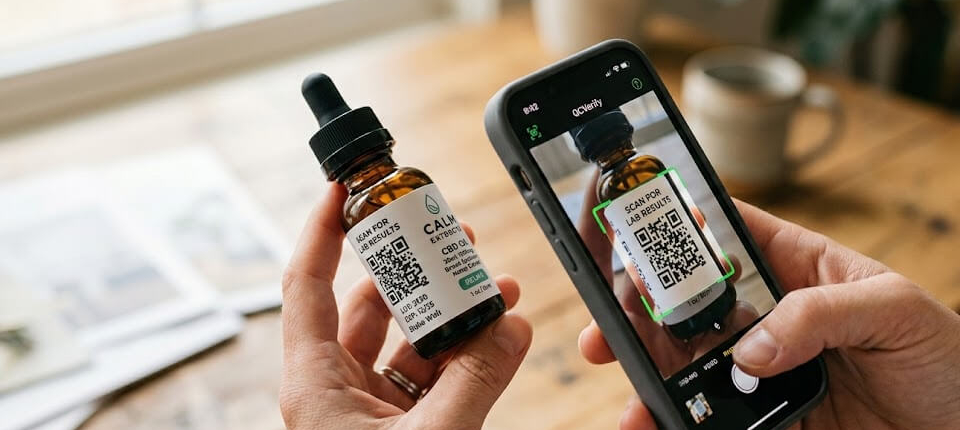
Once the extraction process is complete, testing is essential to check safety and consistency. In Florida, hemp extract may be sold only with a certificate of analysis from an independent lab showing the batch was tested and is free of unsafe contaminants.
This stage is especially important for identifying residual solvents, pesticides, heavy metals, and microbial impurities that may have been introduced during cultivation or processing.
Some producers test at more than one stage of production to maintain consistency in CBD isolate production and full spectrum CBD extraction outcomes.
Testing makes accurate labels more likely, but FDA has found many CBD products that did not contain the amount they claimed, so read the certificate of analysis. CBD can also interact with other medicines, so ask a doctor or pharmacist if you take any.
How to Choose CBD Products Based on Extraction Method
When selecting CBD products, understanding extraction methods is crucial.
If you want a full cannabinoid profile, look for products labeled as full spectrum CBD. If you want to avoid THC, isolate is the usual choice, but FDA has looked into reports of CBD products containing THC, so check the lab report.
For purity, many makers favor CO₂ extraction, but the lab report, not the method on the label, is what shows a product’s contents.
If you are unsure which product suits your needs, ask a medical marijuana doctor or a pharmacist before you start using it.
Key Takeaways
CBD extraction is a critical step that shapes product quality and safety. Whether using CO₂, ethanol, or ultrasonic methods, each approach plays a role in modern hemp processing.
Choosing the right product depends on your needs, desired effects, and understanding of how extraction influences cannabinoid content.
In Florida, residents with a qualifying condition may be eligible for the Florida medical marijuana card program, which lets certified patients buy lab-tested marijuana from licensed treatment centers.
FAQs
Is CO₂ extraction better than ethanol?
Neither method is better on every count: CO₂ extraction leaves no solvent to remove, but only a lab report shows what a finished product contains. Ethanol extraction is more cost-effective and widely used for large-scale production, but it may extract unwanted compounds like chlorophyll that need additional filtering.
What is the difference between full spectrum and CBD isolate extraction?
Full-spectrum extraction retains multiple cannabinoids, terpenes, and other plant compounds, creating a more complete hemp profile. CBD isolate production, on the other hand, removes all compounds except pure CBD, resulting in a highly purified product meant to be THC-free, though the FDA is investigating reports of CBD products that may contain unsafe levels of THC.
Does the extraction method affect CBD potency?
Yes, different CBD extraction methods impact potency and purity. Makers say CO₂ and ethanol methods preserve more cannabinoids, while poor processing can lose cannabinoids or leave residue, which the certificate of analysis should show.
Is supercritical CO₂ extraction safe?
As a process, supercritical CO₂ extraction is considered safe because it uses carbon dioxide instead of flammable or harsh solvents and leaves no solvent behind, but plant contaminants can still reach the extract, so check its lab report.
Last updated October 16, 2026 by the Dr. Green Relief Editorial Team.
Sources
- Florida Statutes, section 581.217, State hemp program (2026)
- U.S. Food and Drug Administration, What You Need to Know About Products Containing Cannabis or CBD
- Anand U et al. Cannabis-based medicines and pain: a review of potential synergistic and entourage effects. Pain Manag. 2021 (PubMed)
- Florida Statutes, section 381.986 (2026)
This information is for educational purposes and does not constitute medical or legal advice.