What Is THCV? What Early Research Shows
What is THCV? It is tetrahydrocannabivarin, a cannabinoid that blocks CB1 receptors at lower amounts in lab studies, and it has no proven medical use yet. Marketing claims are not research results. Some cannabis-derived drugs are FDA-approved for specific uses, and in Florida a qualified physician certifies medical marijuana rather than prescribing it.
What Is THCV?
THCV, also known as tetrahydrocannabivarin, is an organic compound that can be found within cannabis. It is a cannabinoid that acts on the endocannabinoid system within the brain. It has a lot of different effects to other cannabis products and compounds such as THC and CBD. THCV is often confused with THC when people are looking into cannabis products.
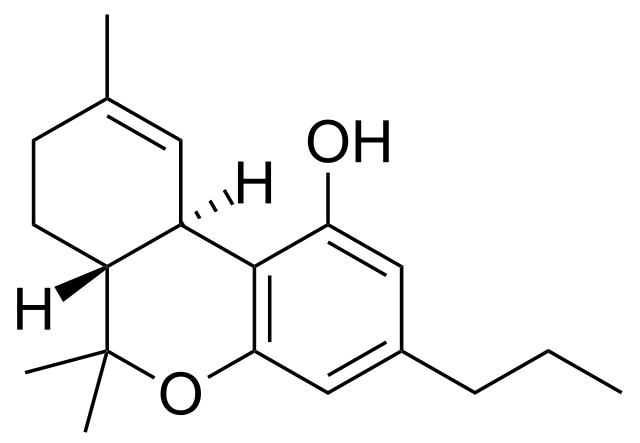
It has some unique properties that we will explain below. People ask about THCV for diabetes and THCV for weight loss, and early studies give mixed answers. You can find high THCV strains of cannabis, which means they have a lot of tetrahydrocannabivarin within.
Scientists are still early in understanding tetrahydrocannabivarin. Tetrahydrocannabivarin has no proven medical use yet; NIDA lists it among cannabinoids with limited research. Most THCV research so far comes from cells, animals and small human studies, as the sections below show.
The Difference Between THCV & THC
There are a number of different products that come from cannabis, and different compounds. Delta-9 THC is the most abundant form of THC in the cannabis plant, NIDA says. This is the compound that reacts with the cannabinoid receptors to give psychoactive effects. It is what makes the “high” from marijuana. It has other effects too, but when people discuss THC it is usually a way to measure the high you will get from cannabis.
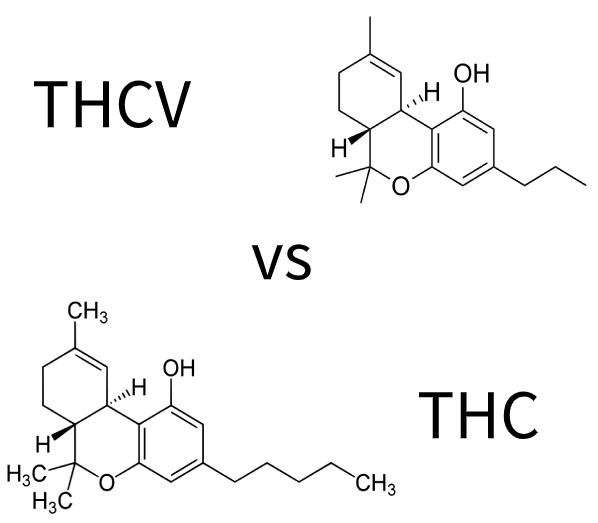
THCV, on the other hand, has some very different effects to what you might assume of cannabis. It is a lesser-known compound whose effects in people have had little study, and its medical uses are unproven. Strain labels do not consistently match a product’s chemistry, a 2022 study of commercial cannabis in six states found, so for products sold as high THCV strains, only a lab report shows how much THCV they contain.
One key difference between the two is the “high” itself. THCV is not the same as THC, so do not assume it acts the same way. THCV blocks CB1 receptors at lower amounts in lab studies, and whether larger amounts cause a high in people is not well studied.
Some high THCV strains are also low in THC, but labels do not always match the product, so check the lab report.
What Research Shows About THCV
THCV has been studied for weight, blood sugar, inflammation and anxiety. Each section below gives what a study found and where it falls short.
Is Tetrahydrocannabivarin Medicine?
Much like CBD, and the industry that has grown around it, THCV is now sold to people hoping to use it as medicine. THCV for diabetes and weight loss is being studied, but no THCV product is approved for any condition.
THCV for Weight Loss
For a long time, people have searched for products that can effectively help with weight loss. The stereotype attached to cannabis is the “munchies” and that it might make you put on weight, but whether tetrahydrocannabivarin works the other way is unproven.

Some prescription medicines for weight management are FDA-approved, and a doctor can explain their benefits and side effects. Studies have not shown that THCV causes weight loss: in obese mice it did not reduce food intake or weight gain, and in a 2014 trial of 20 adults a single dose did not change how people rated food.
Tetrahydrocannabivarin for Diabetes
THCV for diabetes has been tested in mice and in a small trial in people. Mouse studies showed THCV improved glucose control, and a 2016 randomized trial of 62 adults with type 2 diabetes found it lowered fasting blood glucose. Those are early results from a small pilot trial, so THCV is not a proven diabetes treatment.
Anti-Inflammatory Effects
Tetrahydrocannabivarin has shown anti-inflammatory activity in animal studies. In a 2010 mouse study, THCV activated CB2 receptors and blocked CB1 receptors and reduced signs of inflammation and inflammatory pain. A lot of conditions cause pain through inflammation, such as arthritis. THCV’s anti-inflammatory findings come from mice, so its effect on arthritis pain in people is unknown.
THCV and Anxiety Research
Some people try THCV strains of marijuana for anxiety, but a 2023 study that tested THCV for anxiety was in rats, and CDC links cannabis use to social anxiety and depression.
A 2015 study found tetrahydrocannabivarin enhanced 5-HT1A receptor activity and reduced schizophrenia-like signs in rats; this has not been shown in people. More studies are needed to know whether this matters for people. For now, the benefits of THCV are possibilities from early research, not proof.
Conclusion
Medical cannabis laws are written around the whole plant, not around tetrahydrocannabivarin, whose medical benefits remain unproven. High THCV strains of cannabis are marketed for weight loss, but that use is unproven, and a dispensary cannot tell you which strain will help a medical condition.
If you live in Florida, our Florida medical marijuana laws guide explains the program, and a medical marijuana doctor can tell you what the evidence shows for your condition. The medical marijuana doctor at our Sarasota office, or at another of our Florida offices, can assess whether you qualify under Florida law. Weight loss is not on Florida’s list of qualifying conditions, so questions about weight management belong with your primary care doctor.
Last updated October 18, 2026 by the Dr. Green Relief Editorial Team.
Medical review
Medically reviewed by Achilles Kalnoky, M.D.
Reviewed on .
He is licensed in Florida as a medical doctor, license ME115088, which you can check on the Florida Department of Health license lookup.
His review covers the medical statements in this post and the sources cited for them.
Sources
- National Institute on Drug Abuse, Cannabis (Marijuana)
- Bolognini D et al. The plant cannabinoid Delta9-tetrahydrocannabivarin can decrease signs of inflammation and inflammatory pain in mice. Br J Pharmacol. 2010 (PubMed)
- Wargent ET et al. The cannabinoid Δ9-tetrahydrocannabivarin (THCV) ameliorates insulin sensitivity in two mouse models of obesity. Nutr Diabetes. 2013 (PubMed)
- Tudge L et al. Neural effects of cannabinoid CB1 neutral antagonist tetrahydrocannabivarin on food reward and aversion in healthy volunteers. Int J Neuropsychopharmacol. 2014 (PubMed)
- Jadoon KA et al. Efficacy and Safety of Cannabidiol and Tetrahydrocannabivarin on Glycemic and Lipid Parameters in Patients With Type 2 Diabetes. Diabetes Care. 2016 (PubMed)
- Jenkins BW et al. Evaluating Potential Anxiolytic Effects of Minor Cannabinoids and Terpenes After Acute and Chronic Oral Administration in Rats. Cannabis Cannabinoid Res. 2023 (PubMed)
- Cascio MG et al. The phytocannabinoid Δ9-tetrahydrocannabivarin can act through 5-HT1A receptors to produce antipsychotic effects. Br J Pharmacol. 2015 (PubMed)
- Florida Statutes s. 381.986 (2026), Medical use of marijuana