Battle The Side Effects of Chemo With Cannabis
Chemotherapy uses strong drugs to destroy cancer cells or stop them from spreading. Cannabis does not treat the cancer itself, but the FDA has approved two cannabinoid drugs, dronabinol and nabilone, for chemotherapy nausea and vomiting; evidence for appetite, fatigue and nerve pain is weaker.
Effective as it is, chemotherapy has side effects that many patients find hard to endure. Some side effects of chemotherapy can include the following:
- Nausea and vomiting: Among the most common side effects of chemotherapy, though antinausea medicines often prevent or relieve them.
- Fatigue: Fatigue is a common side-effect and may be present most of the time or only after certain activities.
- Loss of appetite: Both chemotherapy and cancer itself can cause a loss of appetite. The severity of this side-effect depends on the type of cancer and treatment.
- Cognitive and mental health problems: Chemotherapy can cause trouble thinking, concentrating and remembering, sometimes called chemo brain. Anxiety and depression are also common.
- Nerve pain: Certain kinds of chemotherapy may result in peripheral neuropathy, a condition which causes an intense burning sensation in the hands and feet as well as a loss of sensation.
Doctors who treat patients with cancer may write several prescriptions in addition to chemotherapy to combat these side-effects. However, these additional medications can come with additional side-effects.

Can Cannabis Help With Chemo Side Effects?
For some side effects, yes. Some patients use cannabis for chemotherapy side effects: in a survey at 12 NCI-designated cancer centers, 33% reported use since their diagnosis. The National Cancer Institute says cannabinoids may help with some cancer-related side effects, but the FDA has not approved cannabis as a treatment for cancer itself. NCI also notes that more research in people is needed.
A 2018 survey of 1,987 Canadian cancer patients found that 43% had used cannabis at some point in their lives. A survey of U.S. oncologists published in 1991 found that more than 44% had recommended marijuana to at least one chemotherapy patient to control vomiting. The trials behind the cannabinoid antinausea drugs were run between 1975 and 1991, before most antinausea medicines used today were available.
A 2018 mouse study found that mice with pancreatic cancer given CBD plus the chemotherapy drug gemcitabine lived nearly three times longer than mice given gemcitabine alone; this has not been shown in people.
Here is what research shows for each common side effect of chemotherapy:
- Nausea and vomiting: A 2015 review of 23 trials found cannabinoid drugs worked better than placebo and about as well as older antinausea drugs, but none were compared with newer ones such as ondansetron. The FDA has approved dronabinol and nabilone for this use.
- Fatigue: There is little research on cannabis for cancer-related fatigue, and sleepiness is one of the most common side effects of cannabinoid medicines, so it may add to tiredness for some people.
- Loss of appetite: The FDA approved dronabinol for appetite loss with weight loss in people with AIDS. In a trial of 469 people with advanced cancer, megestrol acetate improved appetite and weight more than oral THC did.
- Focus: Many patients report “chemo brain,” trouble focusing and remembering. There is no good evidence that cannabis helps it, and CDC notes cannabis use affects memory and attention.
- Depression: Depression is common with cancer. Evidence that cannabis helps is weak, mostly from animal studies of CBD, and CDC notes cannabis use has been linked to depression.
- Anxiety: NIH says a small amount of evidence suggests cannabinoids might reduce anxiety, mostly from short studies such as one of 24 people with social anxiety disorder. Long-term effects are unknown.
- Nerve pain: A 2018 review of 16 trials, mostly of the THC and CBD spray nabiximols, found low to moderate quality evidence of better relief than placebo, from small studies, and more people dropped out because of side effects.
How To Gain Access To Cannabis
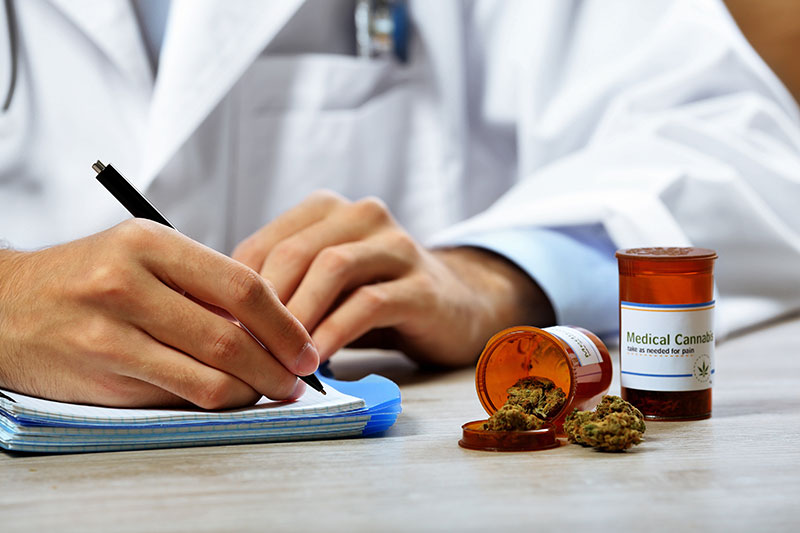
Federal rules changed on April 28, 2026: marijuana covered by a state medical marijuana license, and marijuana in FDA-approved products, moved from Schedule I to Schedule III. It is still a controlled substance under federal law, all other marijuana stays in Schedule I, and broader rescheduling is still pending. What your doctor can and cannot do still depends on state law. In Florida, cancer is a qualifying condition: a qualified physician can enter a certification in the state registry after an in-person exam, and the patient buys from a licensed treatment center, not from the doctor.
Along with surgery and radiation, chemotherapy is one of the most widely accepted and used treatments for cancer. For many cancer patients, that means living with side effects that some describe as worse than the cancer itself. In both legal states and states who have yet to legalize cannabis as a medical treatment, patients have been turning to the plant for relief. More research is needed; current evidence supports some cannabinoid medicines for chemotherapy side effects, not cannabis as a treatment for the cancer itself.
If you’re facing chemotherapy in Florida, talk with your oncologist first, since cannabis can interact with other medicines, then ask a qualified physician whether certification fits your situation.