Are Edibles Legal in Florida? What Patients and Consumers Must Know
You see THC gummies on a shelf and want to know if Florida treats them as legal. The answer depends on THC content and your status in the state’s medical program. Knowing the rules helps you avoid charges and product seizures.
What Are Marijuana Edibles?
Marijuana edibles are foods or drinks made with cannabis oil that you swallow, so digestion drives the effect.
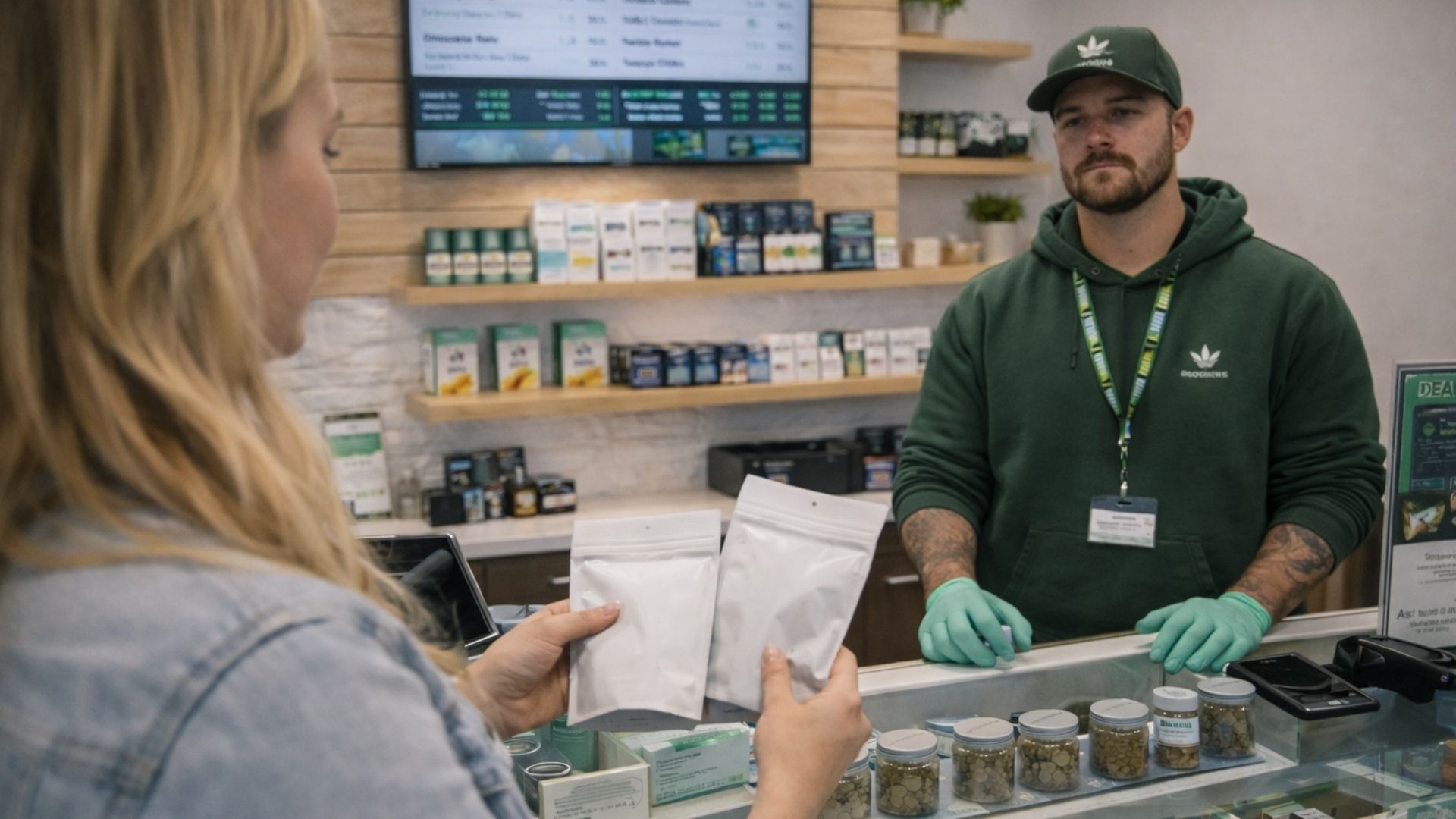
In Florida’s medical program, “edibles” mean commercially produced food items made with marijuana oil and dispensed through a licensed medical marijuana treatment center.
Florida’s Current Edible Marijuana Laws Explained
Are edibles legal in Florida when they contain THC? Florida allows THC edibles only for registered medical patients, and it ties legal purchase and possession to the Medical Marijuana Use Registry.
Recreational THC edibles remain illegal under state law, so “are edibles legal” can have different answers depending on who buys the product and where they get it. That is why whether edibles are legal in Florida depends on the product category.
Florida also treats hemp products differently. Hemp-derived items can be legal if they meet the state’s THC threshold for hemp, which is why some CBD gummies stay on the general market while dispensaries sell THC products under Florida medical marijuana laws.
Who Can Legally Buy Edibles in Florida
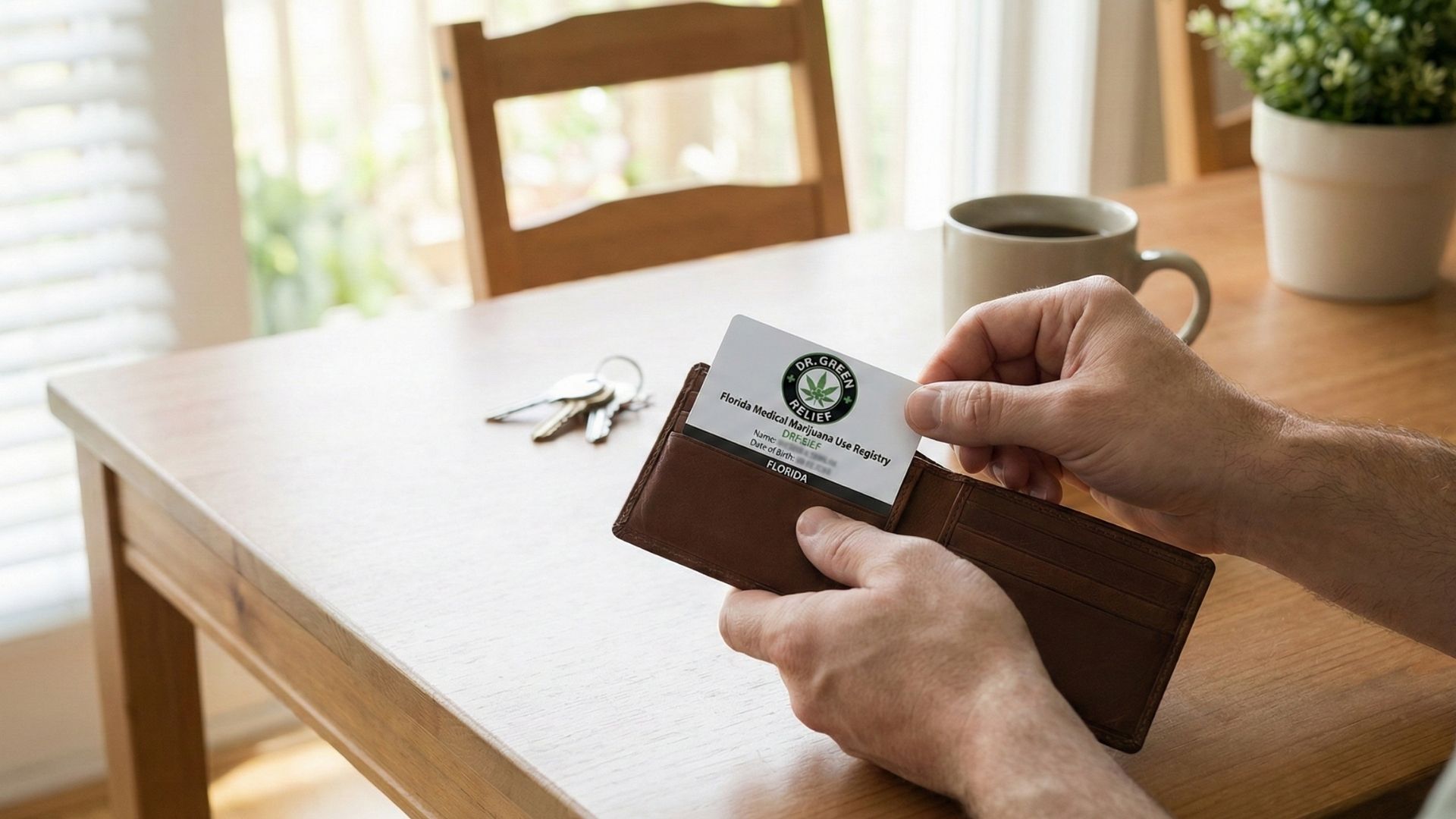
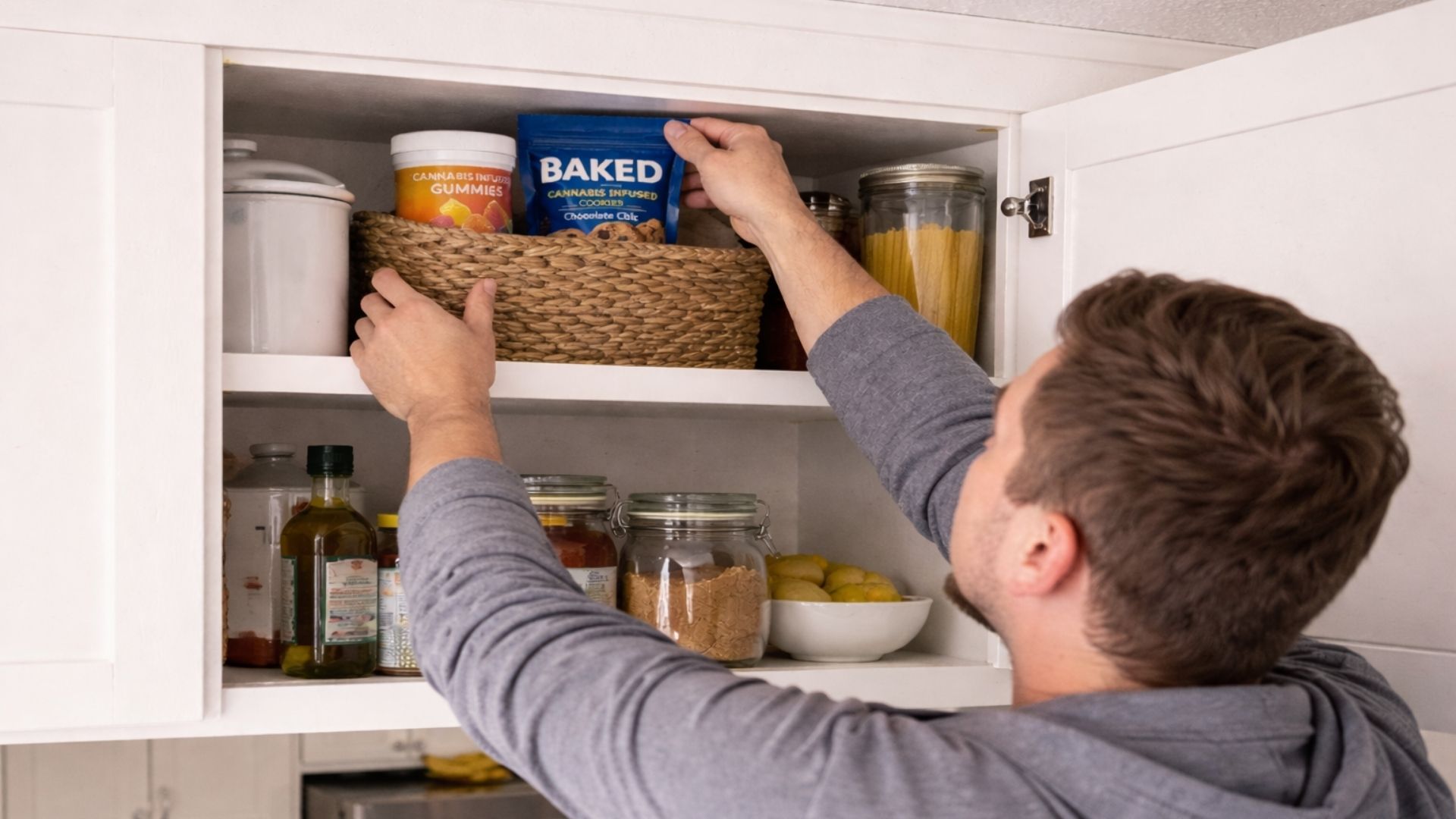
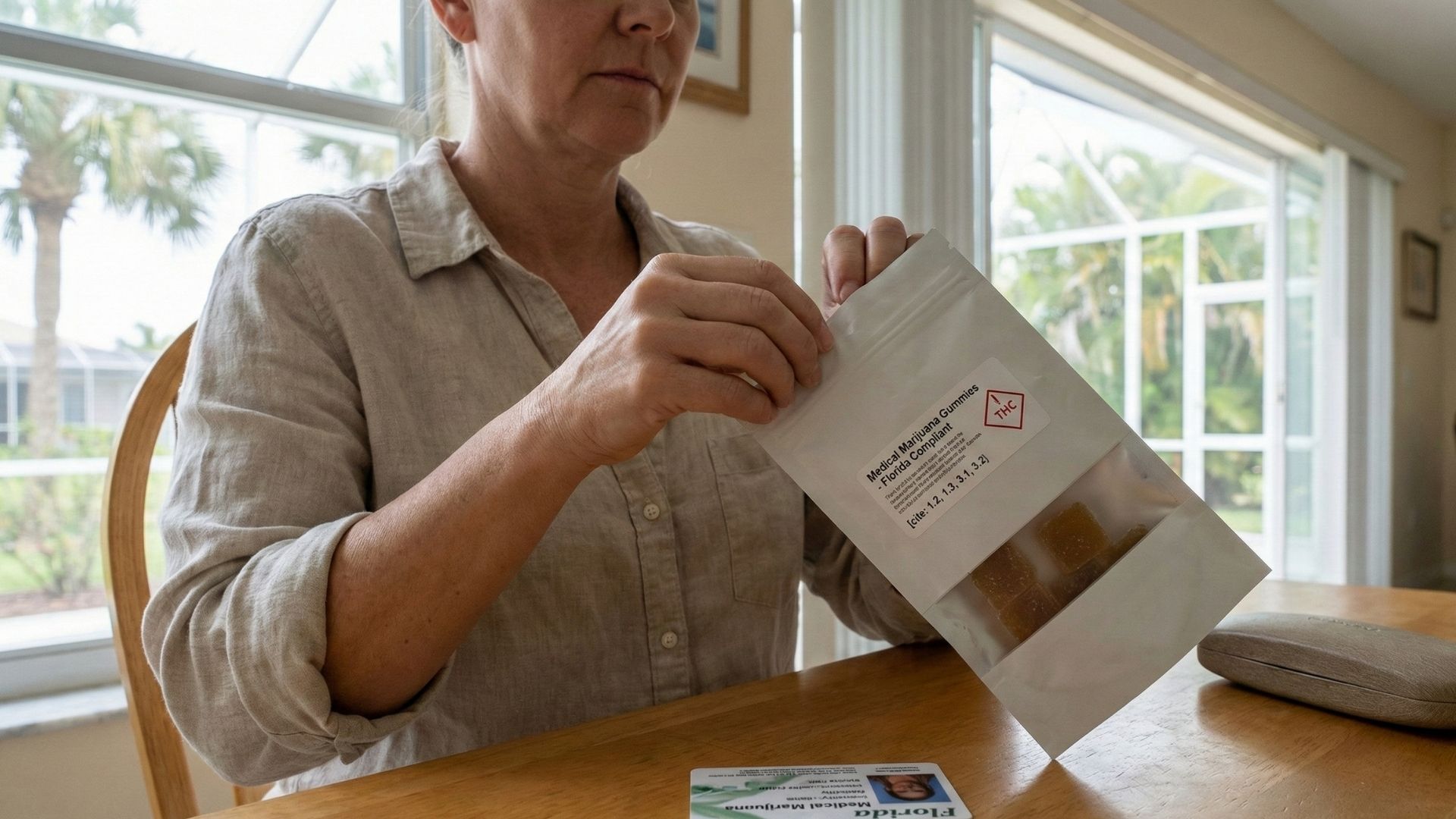
Florida limits THC edibles to patients with an active registry card and a current physician certification. Dispensaries check your record before each sale, and the registry can limit what you can purchase over a set period.
Who Qualifies for Medical Edibles
A qualified physician must certify you under Florida’s program and then enter your certification into the registry. If you want help selecting a form and staying inside your recommendation, book time with medical marijuana doctors in Florida so that your product choices match your active orders.
MMUR Card Requirements
To buy medical edibles, you need an active registry identification card plus a government ID. Track renewal dates, because an expired card can block purchases and complicate possession during a stop.
Where to Buy Edibles Legally in Florida
For THC products, legal buying happens through licensed medical marijuana treatment centers with registry tracking. If a retailer sells THC gummies without verifying a card, treat that purchase as a legal risk.
For hemp items, read labels closely. Look for cannabinoid content, a batch identifier, and a way to confirm lab testing.
If a situation feels unclear, contact us before you buy, carry, or share an edible product.
THC Limits and Dosage Rules
Edibles often take longer to start and can last longer, so dosing matters. Florida controls medical purchase limits through physician orders and registry rules, which means your allowable amount comes from your certification.
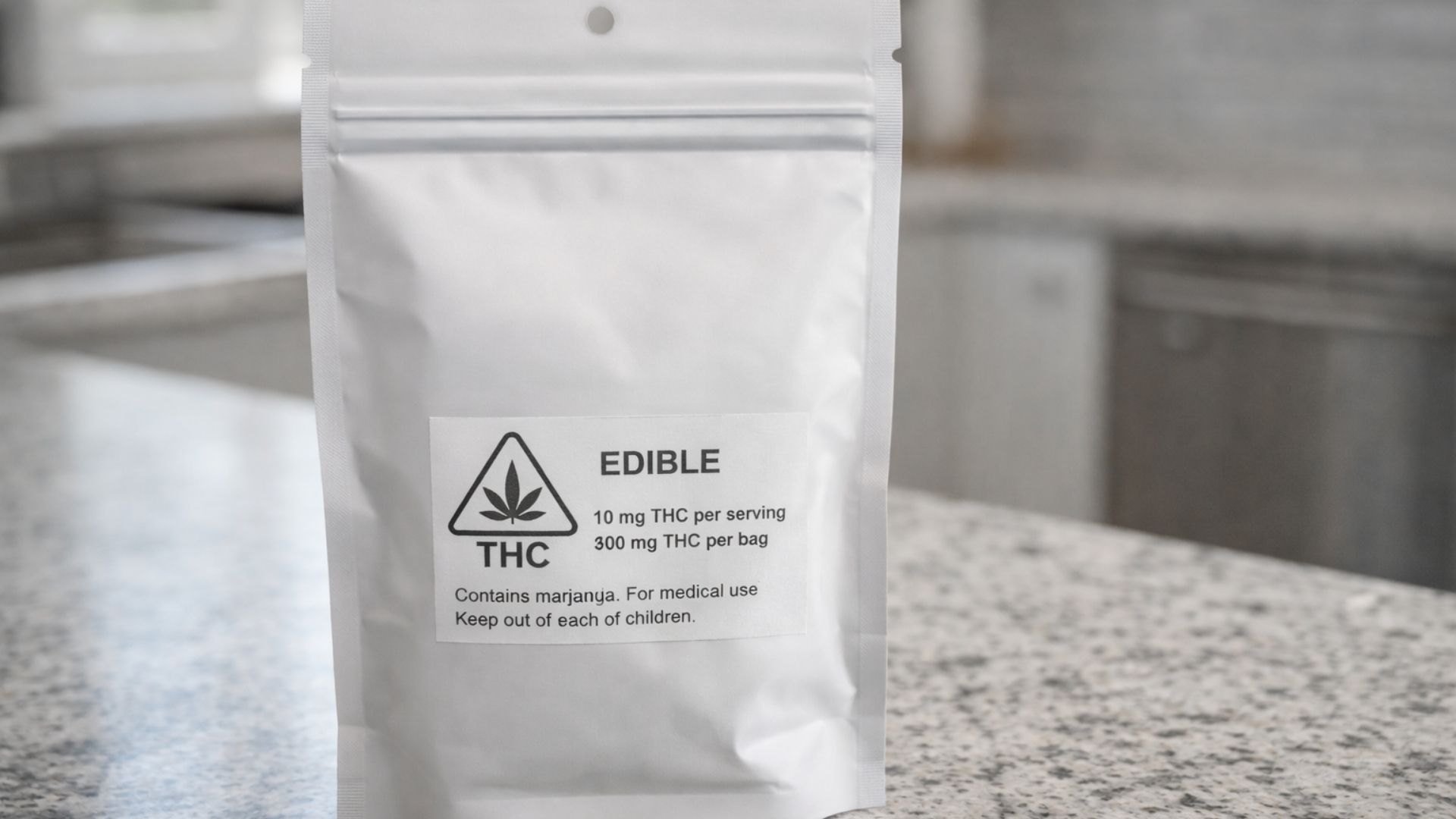
For day-to-day use, rely on the label. Check THC milligrams per piece, start with a measured serving, and wait long enough before taking more.
CBD Gummies vs. THC Gummies
People often ask: “Are THC gummies legal in Florida, and are CBD gummies legal?” THC gummies can be legal only through the medical program for active patients, while THC gummies sold outside that channel can lead to charges.
CBD gummies can be legal when they meet hemp THC limits, but packaging can look similar across categories, so read the cannabinoid panel instead of trusting the front label.
If you still wonder, “Is THC legal in Florida” it’s important to know that Florida allows THC through its medical program and restricts recreational THC products.
As for CBD, hemp-derived CBD generally fits within Florida’s hemp framework when products stay within THC limits.
Conversations about Florida amendment 3 may change expectations about access, but current enforcement still splits medical THC and hemp CBD into different lanes.
Can You Travel With Edibles in Florida?
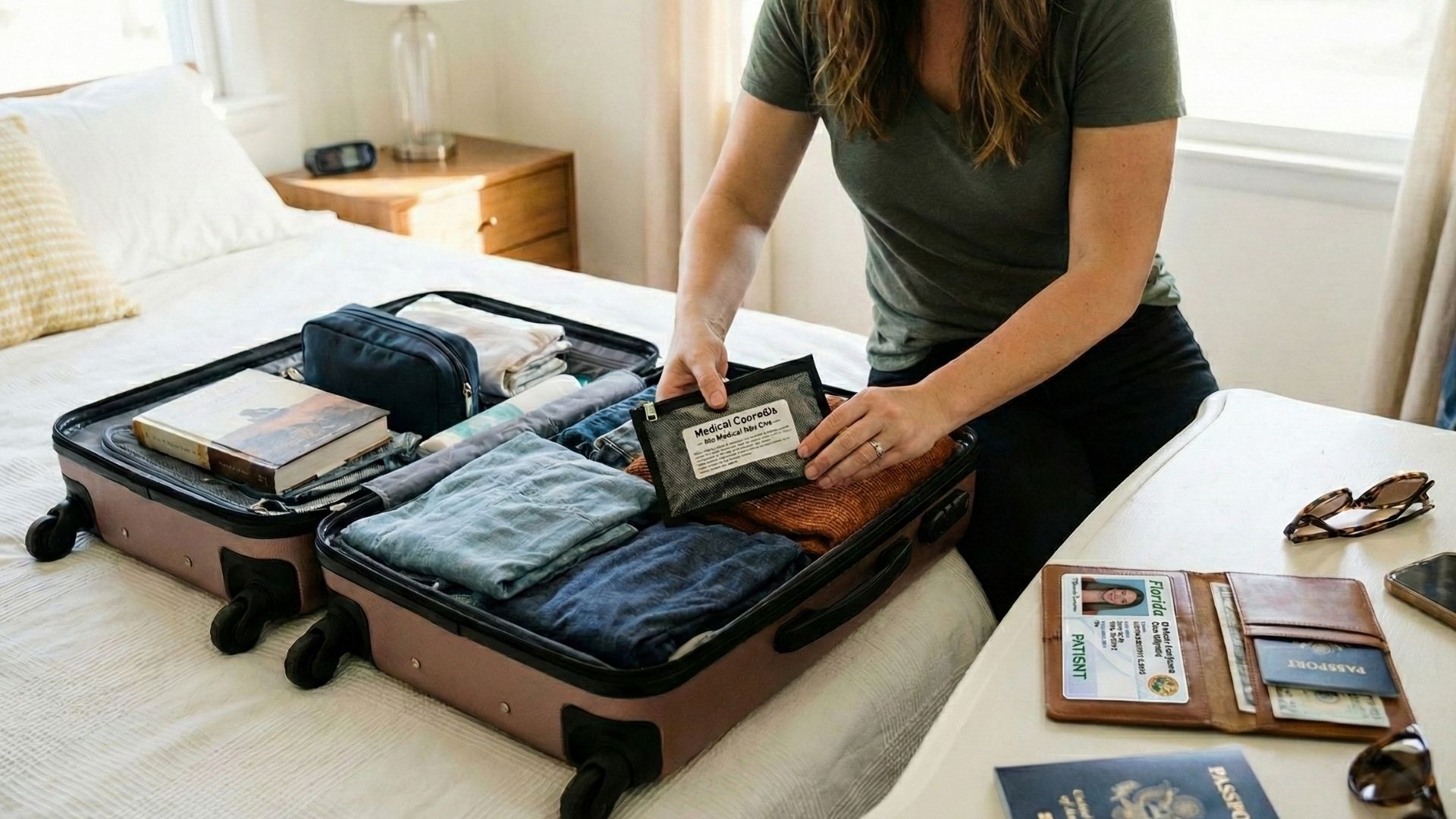
Travel inside Florida can create issues if you carry THC edibles without proof of patient status or move them into unlabeled containers.
Keep dispensary items in original packaging, carry your registry card, and avoid carrying products into places with strict policies.
When planning to fly, the question of “Can you fly with medical marijuana in Florida?” becomes relevant. In response, air travel adds federal screening rules. Airport screening can also lead to referrals, even when Florida allows medical possession.
How to Use Edibles Safely in Florida
Safe use comes from dose control, timing, and storage. Plan around onset and duration.
The Right Dosing for Beginners
Start with a low, measured serving and wait before taking more. Keep notes on THC milligrams per serving and the time you took it, since food can change absorption. If you prefer plant-based ingredients, ask a dispensary about vegan edibles and still dose based on the label.
Workplace and Driving Considerations
The consumption of edible products containing THC may negatively impact an individual’s ability to focus, as well as their reaction time. Therefore, plan accordingly by limiting your exposure to driving immediately after THC is consumed.
Many workplaces have restrictions on the use of cannabis products, including those used for medical purposes. So, before bringing any product to work, be sure to review your workplace policies.
How to Store Edibles Safely at Home
Store all edible cannabis products in a secure, lockable space that cannot be accessed by children, guests, or animals. Also, store the original packaging with the edible products so that the labeling remains intact.
Do not leave edible cannabis products in a vehicle or in an environment that is warm or damp (i.e., storage areas).
How Florida Regulates Edible Packaging, Shape, and Design
Florida regulates packaging so that products do not look like ordinary candy. The law requires individual sealing in plain, opaque wrapping marked with the marijuana universal symbol. It limits how products appear at retail, which is why dispensary packaging for medical marijuana edibles often looks plain.
Are edibles legal in Florida? THC edibles are legal only for active medical patients who buy from licensed dispensaries, while hemp-based CBD gummies can be legal when they meet hemp THC limits and labeling rules.
Staying within the rules comes down to buying through the right channel, keeping packaging intact, dosing with care, and planning travel and storage ahead of time.