What You Need to Know About Recreational Marijuana in Nevada
Recreational Marijuana In Nevada
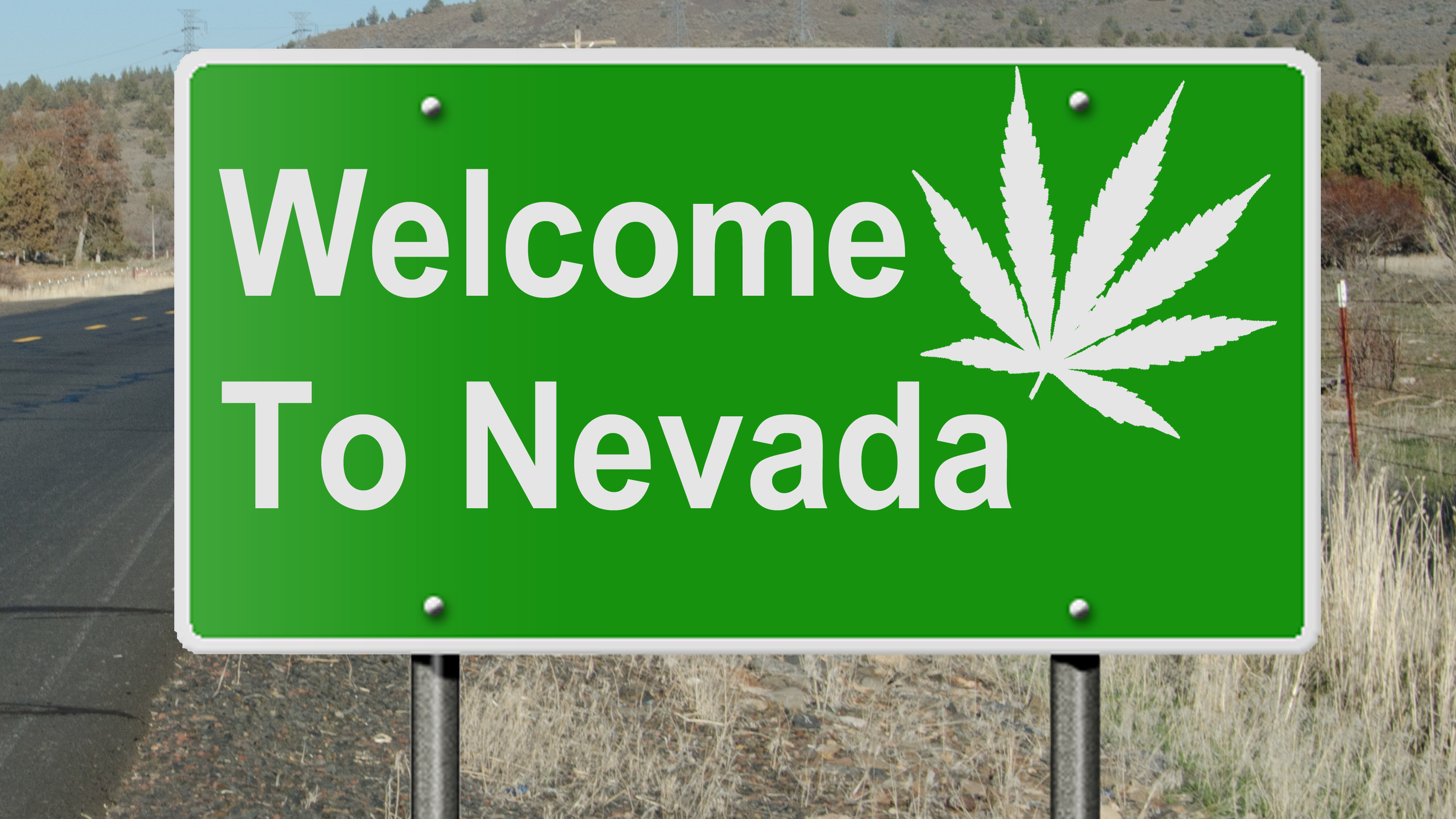
Recreational marijuana in Nevada is allowed under state law for adults 21 and older, who may possess 2.5 ounces and one-fourth of an ounce of concentrate and buy from stores licensed by the Cannabis Compliance Board. They may not use it in a public place, a store or a vehicle; licensed consumption lounges are the exception. It took effect on January 1, 2017, after voters said “yes” to Question 2 on November 8, 2016. And in case you’ve been living under a rock (or a giant-sized nugget of Blueberry Crush) and you haven’t heard of Question 2, it was the ballot initiative to legalize recreational marijuana in Nevada.
Here’s the question I had in December 2016: once it was legal, how would recreational marijuana in Nevada actually work?
On a Wednesday night that December, I went down to the Wildhorse Golf Club in Henderson. That’s where Essence Dispensary was hosting its bi-weekly marijuana education program known as Wellness Wednesday.
That night’s topic was Question 2 and what it meant for medical marijuana patients and businesses. Amanda Connor (a lawyer who specializes in marijuana-related cases), and Riana Durrett (an attorney and, at the time, Executive Director of the Nevada Dispensary Association) were the two panelists that evening.
Below are the points from that panel that still hold, checked against Nevada law as it reads in 2026.
Recreational Marijuana Took Effect on Jan 1st, 2017
Nevada voted for recreational marijuana on November 8th, 2016, and the law took effect on January 1, 2017, less than two months later.
Where Nevada Recreational Marijuana Sales Happen Today
Today, licensed stores sell recreational marijuana to adults 21 and older, and the Cannabis Compliance Board lists 106 retail dispensary licenses statewide as of September 1, 2026.
In other words, adults can now both own it and buy it, within the state limits.
Medical marijuana patients had a longer wait: medical use was exempted from state prosecution in 2001, but dispensaries were not authorized until a 2013 law.
Recreational buyers did not wait nearly that long. The Department of Taxation regulated the first stores, and since July 1, 2020 the Cannabis Compliance Board has licensed and regulated them.
Every licensed adult-use store is now treated as a dual licensee that can serve both groups. Our guide to finding the right medical dispensary covers what to check first.
So how do you find a licensed store?
The answer is simple: the Cannabis Compliance Board’s list of licensees shows every licensed dispensary in the state.
Where you shop matters, and not just for the price. A licensed store can sell only products that passed state lab testing. Unlicensed sellers offer no such check.
Recreational Marijuana and Medical Marijuana Are Still Different
If recreational marijuana is legal, should patients still go through the process of getting evaluated by a doctor so that they can get their medical cards?
The answer is “yes,” for reasons written into Nevada law.
In short, the card still changes what you pay at the counter, who can buy and how many plants you can grow.
Here are the three reasons why medical marijuana is still a necessary and valuable program here in Nevada.
1. Possession Limits for Medical and Recreational Marijuana
Adults 21 and older may possess 2.5 ounces of recreational marijuana and one-fourth of an ounce of concentrate at a time.
Medical patients may also possess 2.5 ounces at any one time, so one advantage of the card is access: patients under 21, including minors with a parent as caregiver, can apply.
2. Medical Purchases Skip the 10% Retail Excise Tax
Under NRS 372A.290(8), the 10% retail excise tax does not apply to a medical sale to a cardholder, and every adult-use retail store is deemed a dual licensee that may make medical sales (NRS 678D.490).
A 15% wholesale excise tax applies to both markets. So what does that mean for recreational buyers?
Under NRS 372A.290, every adult-use retail sale carries a 10% excise tax, which the store may pass on to the buyer.
On a $100 purchase, that is $10 a cardholder does not pay.
Because the wholesale tax applies to both markets, it is not what sets them apart.
The tax difference is the clearest saving for patients. The medical program keeps patients in their own state registry, separate from recreational buyers. Store prices still vary, so compare menus before you buy.
3. Medical Patients Are Allowed to Grow More Marijuana Plants
A patient may grow up to 12 plants only in limited cases, such as when no dispensary was within 25 miles when the patient first applied. Recreational users may grow 6, and only more than 25 miles from a retail store.
There are exceptions to the 25-miles-from-a-dispensary rule. For example, if the dispensaries in your county cannot supply the strain or amount you need, the law allows you to grow your own.
In 2016, Connor and Durrett said this was a very difficult argument to make to law enforcement, because it would be up to you to prove that none of those dispensaries carried that strain. Officers may or may not accept it, so ask a lawyer before you rely on it.
Can Medical and Recreational Marijuana Peacefully Co-Exist in Nevada?
So far, yes: both programs have run side by side since 2017.
In 2016, Connor and Durrett said both the State of Nevada and the dispensaries wanted these two programs to thrive without harming one another. Colorado was already making it work, and we hoped Nevada would too.
Before you shop, check that the store appears on the Cannabis Compliance Board’s list of licensees.
And if you live in Nevada and want to apply for a medical marijuana card, go here to get started.