Medical Marijuana for Depression in Florida: What Patients Need to Know
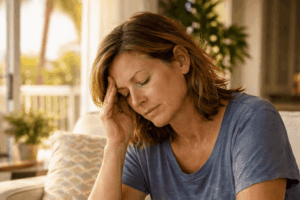
Depression is one of the most common mental health conditions affecting Floridians today. For many people, traditional treatments don’t fully work. If you’ve been wondering whether medical cannabis might be an option, you’re not alone. The question we hear most often is: Can you get a medical card for depression in Florida?
The answer isn’t a flat yes or no. It depends on how your symptoms present, what a licensed physician observes, and whether your condition connects to Florida’s qualifying criteria.
Can You Get a Medical Card for Depression in Florida? What Actually Qualifies
Florida’s medical marijuana program doesn’t list depression as a standalone qualifying condition the way it lists cancer or epilepsy. That said, many patients dealing with depression do successfully obtain a Florida medical marijuana card, particularly when their symptoms are severe, treatment-resistant, or overlap with other recognized conditions.
If you’ve been living with persistent low mood, disrupted sleep, or significant functional impairment, our medical marijuana doctors in Florida can evaluate whether your experience meets the program’s threshold. The key factor is clinical severity. This means a mental health condition that meaningfully affects your quality of life, not just occasional sadness.
Depression as a Condition in Florida’s MMJ Program
Florida law allows physicians to certify patients when a qualifying condition is present, or when a physician determines that a patient’s condition is “of the same kind or class” as those listed and that the patient would benefit from cannabis treatment.
This is where depression gains a foothold. A physician who thoroughly documents your symptoms, treatment history, and functional limitations has the clinical authority to certify you, even if “depression” isn’t on a printed list.
Symptoms Doctors Review for Severity
When evaluating a patient for certification, a physician will look at the full clinical picture. Symptoms they commonly review include:
- persistent depressive episodes
- failed responses to conventional medications
- sleep disturbances
- impaired ability to work or manage daily tasks
- co-occurring anxiety or trauma responses
The more documented your history, the clearer the path forward.
How Depression Connects to Other Qualifying Conditions
Many patients who live with depression also experience conditions like chronic pain that are explicitly listed under Florida’s qualifying criteria. Post-traumatic stress disorder is a recognized qualifying condition, and depression frequently accompanies it. Chronic pain, another qualifying condition, is well-documented as a significant contributor to long-term depressive symptoms.
If you’re wondering whether you can get your medical card for depression and anxiety, the answer is often yes. Anxiety disorders and their associated mood disruptions often qualify under the same clinical framework. A physician evaluating the full scope of your mental health condition is far better positioned to recommend certification than one reviewing depression in isolation.
The Effects of Cannabis on Depression
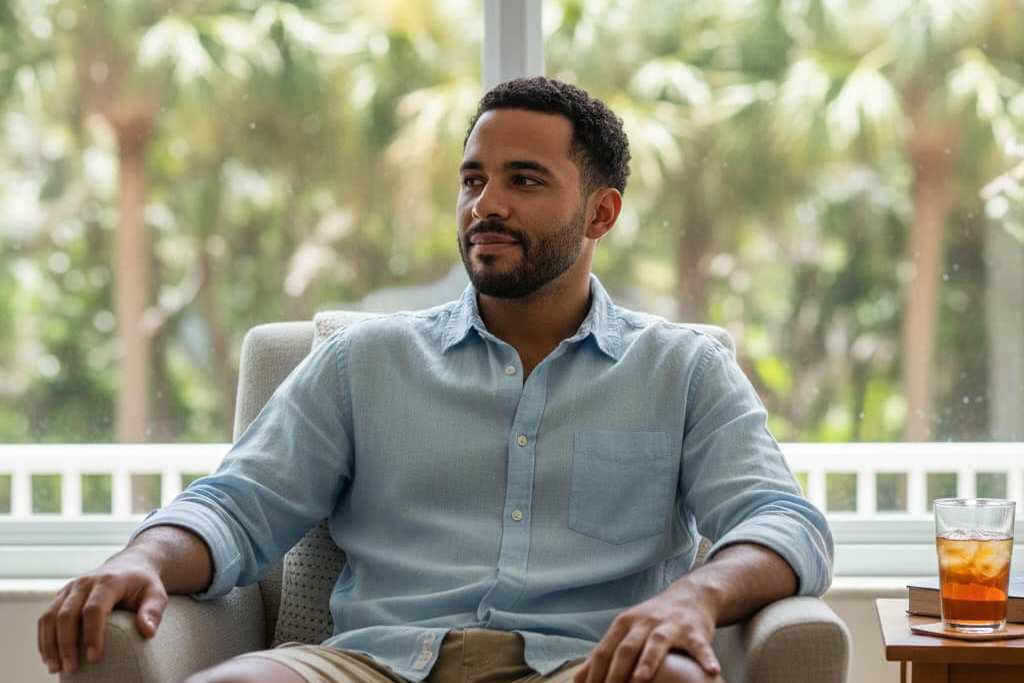
Many patients have turned to marijuana for depression after conventional treatments provided limited relief. The science is still developing, but the emerging picture is worth understanding. One published study found that cannabis significantly reduced self-reported ratings of depression, anxiety, and stress, particularly with low-THC products.
Potential Benefits for Mood and Stress
The human body contains an endocannabinoid system, a network of receptors involved in regulating mood, stress response, sleep, and appetite. Cannabis interacts directly with this system, which is part of why many patients report meaningful relief.
When patients ask ‘is cannabis good for depression,’ the honest answer is: it may help certain aspects of the experience, particularly sleep disruption and low motivation, while results vary by individual.
THC for depression has shown anecdotal promise in reducing emotional numbness and improving sleep quality for some patients.
Research into the effects of marijuana on mood continues to grow, and the broader question of whether cannabis can treat depression as a primary clinical condition is still being studied. Many patients seek certification because they’ve found relief where other treatments haven’t been delivered.
Florida Medical Marijuana Rules for Mental Health Conditions
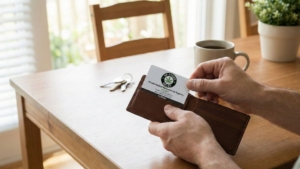
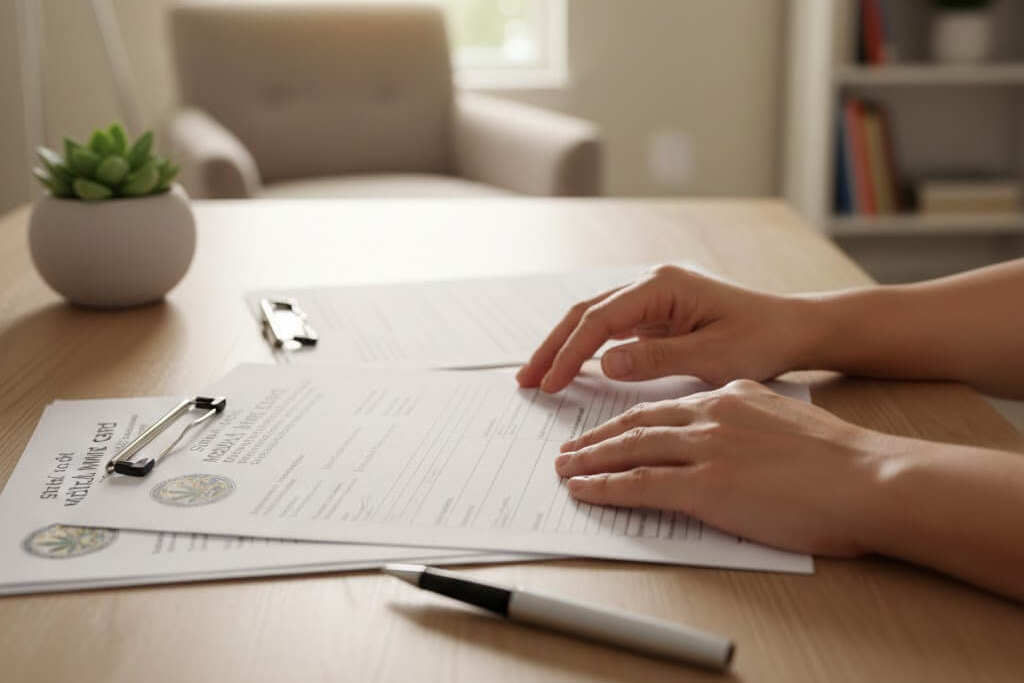
Florida’s program is regulated by the Florida Department of Health. Before you start, here are the key rules to understand. You must be a Florida resident with a valid ID. A licensed physician must evaluate you, either in person or through approved Florida cannabis telemedicine, before issuing a recommendation. The physician must enter your certification into the Medical Marijuana Use Registry, and you must apply to the state for your official card. Cards require annual renewal.
For mental health conditions specifically, documentation of your history, including prior diagnoses, medications tried, and therapy attended, carries significant weight in the evaluation.
What Doctors Evaluate Before Approving a Medical Card
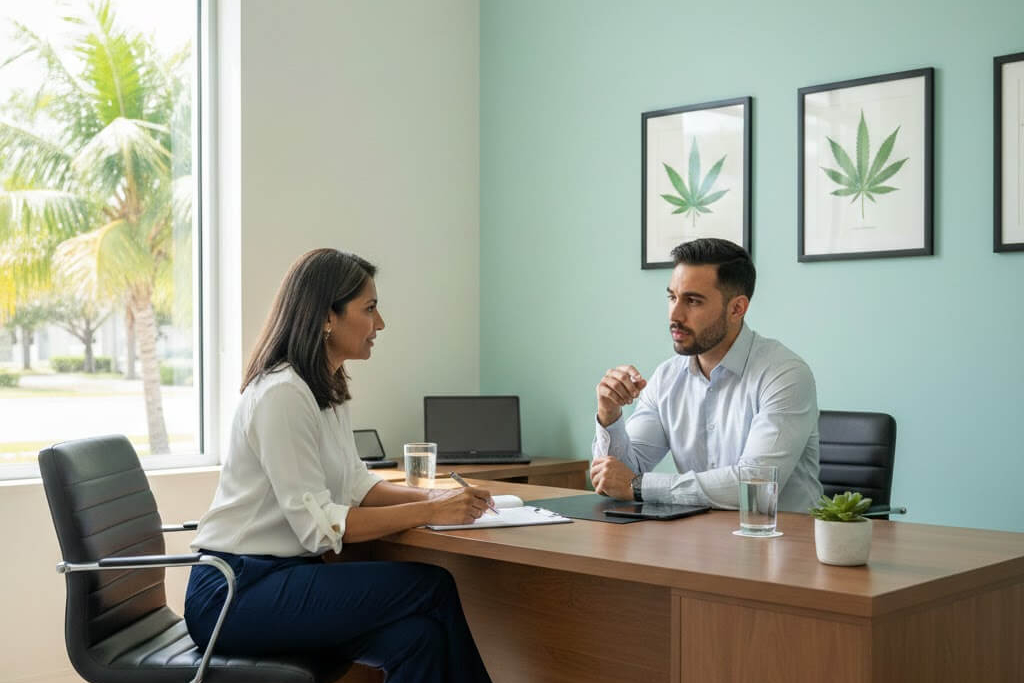
A qualifying appointment with Dr. Green Relief is a real medical evaluation. Physicians review your prior diagnoses and any treatments you’ve already tried, since a history of treatment-resistant depression carries significant weight. They assess how your current symptoms are affecting daily life. If you have prior cannabis experience and found it helpful, that context is useful. Physicians also consider individual risk factors, because patient-first care means honest evaluation, not automatic approval.
Patients who come prepared with records and a clear description of their experience tend to have the most productive evaluations. If you’re ready to take that step, contact us and we’ll help you get started.
Cannabis Products Patients Use for Mood Support
Florida’s program allows patients to access a range of product types. Those seeking mood support for depression often explore tinctures and oils, which are easy to dose and widely available. Smokable flower, which Florida now permits for qualifying patients, offers faster onset for acute symptom moments. Capsules and edibles provide longer-lasting effects for sustained daily support. Vaporizer cartridges offer a portable, dose-controlled option for patients who want precision.
The right product depends on your individual symptoms and what your certifying physician recommends. This is a personalized process, not a one-size-fits-all solution.
Many patients ask: can you get a medical card for depression in Florida? The answer is yes for many, particularly when symptoms are severe, persistent, or connected to other qualifying conditions like post-traumatic stress disorder or chronic pain. Speaking with a licensed physician who understands Florida’s program is the most important step you can take.
Is Medical Marijuana Right for Your Depression?
Some patients in Florida struggling with depression may find medical marijuana to be a helpful option, particularly when symptoms are severe, persistent, or linked to other qualifying conditions like post-traumatic stress disorder or chronic pain.
While depression alone isn’t always listed as a qualifying condition, a licensed physician can evaluate your mental health history, symptom severity, and treatment response to determine if certification is appropriate. Understanding the program, available cannabis products, and the evaluation process is key to making informed decisions about care and support.