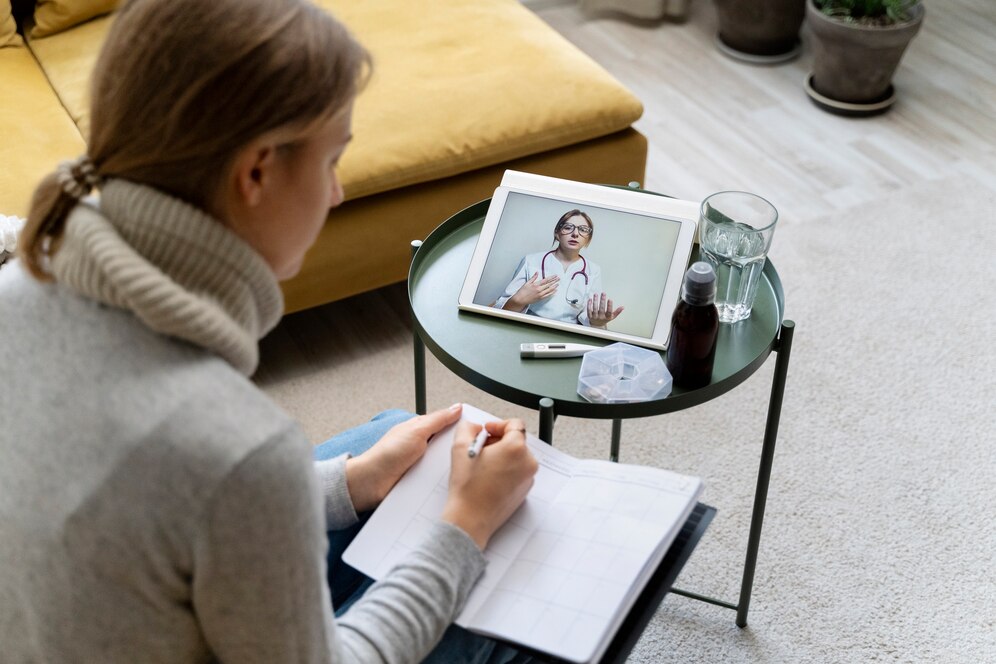
Marijuana During Pregnancy: What the FDA and CDC Say
Marijuana is not considered safe during pregnancy. The FDA strongly advises against the use of CBD, THC and marijuana in any form during pregnancy or while breastfeeding, and CDC recommends that pregnant women do not use cannabis. The FDA also reports the U.S. Surgeon General’s warning that marijuana use in pregnancy may affect fetal brain development.
Pittsburgh studies of children exposed early in pregnancy found lower reading and school scores at ages 10 and 14, and Florida law bars a physician from certifying a pregnant patient except for low-THC cannabis. That is a legal limit, not a finding that low-THC cannabis is safe. Still, pregnancy brings real symptoms.
It may already have changed your mornings. Nausea and vomiting, often called morning sickness, are among the most common of those symptoms. If your symptoms are severe, you may have wondered whether medical marijuana could ease them. What does the evidence say about marijuana during pregnancy, and what are the risks? Our post on whether CBD is safe during pregnancy covers what the FDA and CDC say about CBD.
When Is Morning Sickness Severe?
Most pregnant women have at least some nausea, and about one third have vomiting, according to MedlinePlus. For most women it is unpleasant but manageable.
However, some pregnant women develop a severe form known as hyperemesis gravidarum or HG.
HG is not like your typical morning sickness. The vomiting and nausea are so severe that you can become dehydrated and start losing weight. This could potentially harm you and your developing infant.
In addition to the physical stress, the condition can be mentally and emotionally taxing, interfering with your ability to perform your daily activities. MedlinePlus notes that HG can cause anxiety and depression that may linger after the pregnancy.
That combination is why HG is worth raising with your OB-GYN early.
What About Medical Marijuana? Can It Help Treat HG?
Some personal stories in the press suggest “yes,” but stories are not evidence, and no cannabis product is FDA-approved for morning sickness or HG.
Some of those accounts appear later in this post, and none of them shows that marijuana is safe in pregnancy.
But what do medical organizations have to say about using marijuana during pregnancy?
The official answer is consistent: do not use it.
Why Do Health Agencies Advise Against Marijuana in Pregnancy?
Most of what is known comes from studies that follow exposed mothers and children, not from drug trials.
Researchers can’t conduct randomized controlled drug studies on pregnant women because it would be unethical to expose an unborn baby to something that’s potentially harmful.
For this reason, CDC recommends against cannabis use in pregnancy, and FDA strongly advises against THC, CBD and marijuana in any form during pregnancy.
What the Pittsburgh Studies Found
The Pittsburgh studies followed the children of pregnant women, including women who smoked one or more joints a day during their first trimester.
They found that:
- When the children turned 6, prenatal exposure was linked with lower intelligence test scores.
- At age 14, they scored lower in reading and overall school achievement, in a study of 524 teens.
FDA notes that THC can enter the fetal brain from the mother’s bloodstream and may affect brain development. THC acts on the same cannabinoid receptors as the body’s own endocannabinoid system, which helps regulate brain function. Our brains already produce their own natural cannabinoids, such as anandamide.
If marijuana’s cannabinoids (THC, CBD, and others) make their way into a developing fetus, that could affect a child’s brain development.
The FDA also cites the Surgeon General’s advice that marijuana may increase the risk of a newborn with low birth weight, and CDC lists lower birth weight among the health problems cannabis use in pregnancy can cause in newborns.
What Are the Limits of the Pregnancy Studies?
- Without trials, researchers have to rely on either animal studies, which may not apply to people, or women’s own reports of their use, which can be incomplete.
- Pregnant women who roll and smoke joints are more likely to also use tobacco and alcohol. That makes cause harder to pin down, though the Pittsburgh study at age 10 found prenatal marijuana and alcohol each predicted school problems on their own.
What Some Women Have Said
Some women have described their own cannabis use during pregnancy in news interviews. Their accounts are personal stories, not study results.
Here’s what some of these women had to say:
- One mother described switching from a prescription nausea medicine to marijuana; one family’s report cannot show that marijuana is safe in pregnancy.
- Another described her children’s birth weights and schooling; these accounts were not measured or compared with unexposed children, so they are not study results.
- A third mother, who said she had researched the topic, chose marijuana over Zofran; her view is not supported by CDC or FDA, which advise against marijuana in pregnancy.
What Do the CDC and FDA Advise About Pregnancy?
The CDC and FDA both advise against marijuana in pregnancy. If you are thinking about it anyway, here’s what we suggest:
Talk to Your Doctor About It
We know this might be scary, especially if you want to avoid getting a lecture or are afraid of getting reported to Child Protective Services, which can happen in some cases. However, your OB-GYN needs to know about any cannabis use to care for you and your baby, so be honest.
Ask about options for nausea in pregnancy, such as the ginger products and diet changes MedlinePlus describes, and about the risks of cannabis for your baby.
Do Your Research
Make the time to find reputable studies on the subject of marijuana and pregnancy. Online information on this topic varies widely in quality. Be discerning and make sure that any claims you read are backed up by evidence.
Make This Decision With Your OB-GYN
Medical professionals can explain the risks, and CDC and FDA advise against marijuana in pregnancy. Please make this decision with your OB-GYN, not alone.
Do you have questions about marijuana and pregnancy? Ask your OB-GYN, read FDA’s advice for pregnant and breastfeeding women, or send us a question through our contact page.
And if you have a qualifying condition, know that Florida law bars a physician from certifying a pregnant patient for any marijuana other than low-THC cannabis. That rule is a legal limit, not a finding that low-THC cannabis is safe in pregnancy. If you are not pregnant, a qualified physician can tell you whether a Florida medical marijuana card fits your situation, and our Florida card page explains how the first in-person exam works.
Last updated October 18, 2026 by the Dr. Green Relief Editorial Team.
Medical review
Medically reviewed by Achilles Kalnoky, M.D.
Reviewed on .
He is licensed in Florida as a medical doctor, license ME115088, which you can check on the Florida Department of Health license lookup.
His review covers the medical statements in this post and the sources cited for them.
Sources
- FDA. What You Should Know About Using Cannabis, Including CBD, When Pregnant or Breastfeeding
- CDC. Cannabis and Pregnancy
- MedlinePlus. Morning sickness
- MedlinePlus. Hyperemesis gravidarum
- Goldschmidt L, et al. Prenatal marijuana exposure and intelligence test performance at age 6. J Am Acad Child Adolesc Psychiatry. 2008 (PubMed)
- Goldschmidt L, et al. Prenatal marijuana and alcohol exposure and academic achievement at age 10. Neurotoxicol Teratol. 2004 (PubMed)
- Goldschmidt L, et al. School achievement in 14-year-old youths prenatally exposed to marijuana. Neurotoxicol Teratol. 2012 (PubMed)
- Florida Statutes, s. 381.986 (2026), Medical use of marijuana (Florida Senate)